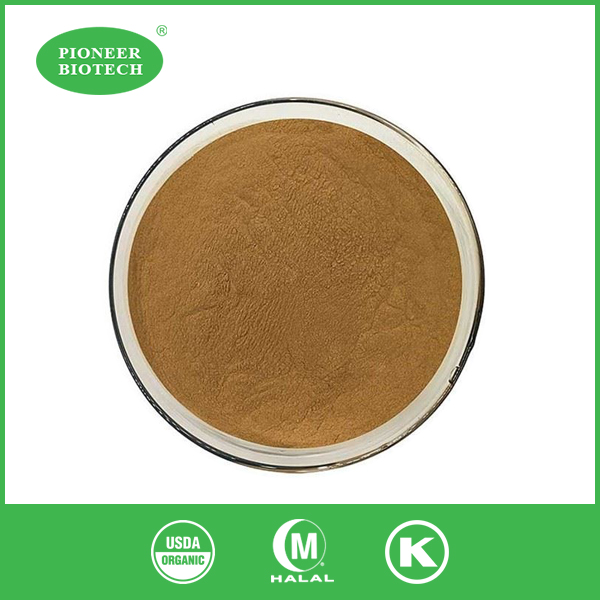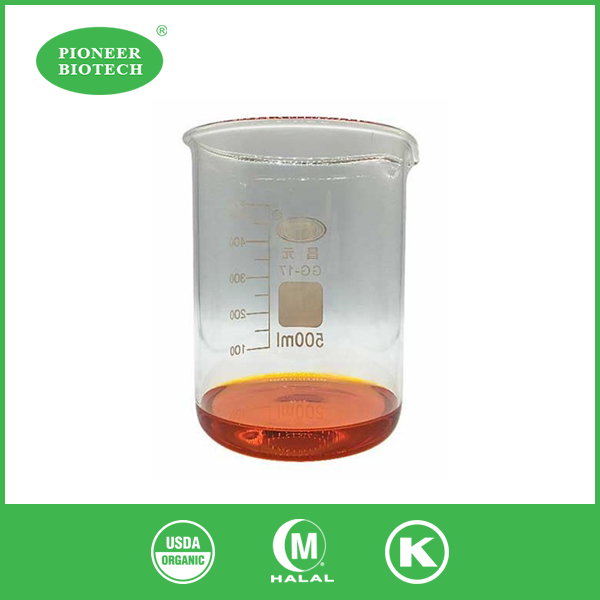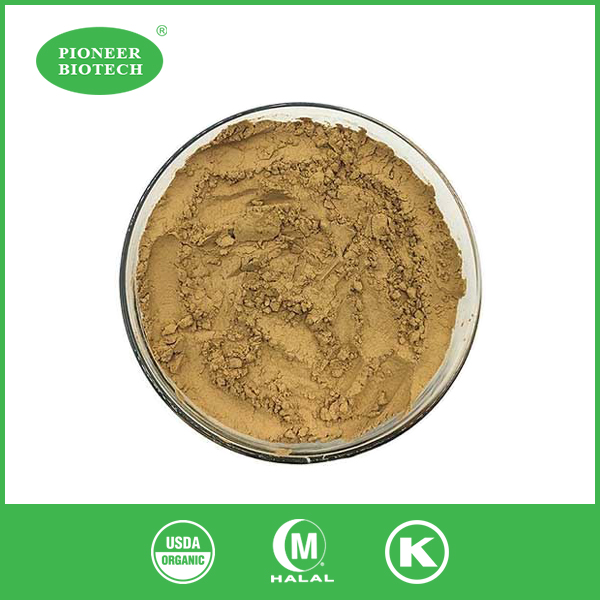

Banana Extract Nutritional Components Explained
In modern factories, bioactive substances and important nutrients are concentrated in banana juice. The nutrients and bioactive substances come from bananas. Banana extract is more steady, lasts longer, and has more concentrated nutritional benefits than fresh bananas or simple banana powders. Because of this, it can be used to make foods, drugs, and supplements. This concentrated form keeps the fruit's natural goodness and helps farmers get the best quality and prices along the supply chain.
Understanding Banana Extract: General Overview and Nutritional Profile
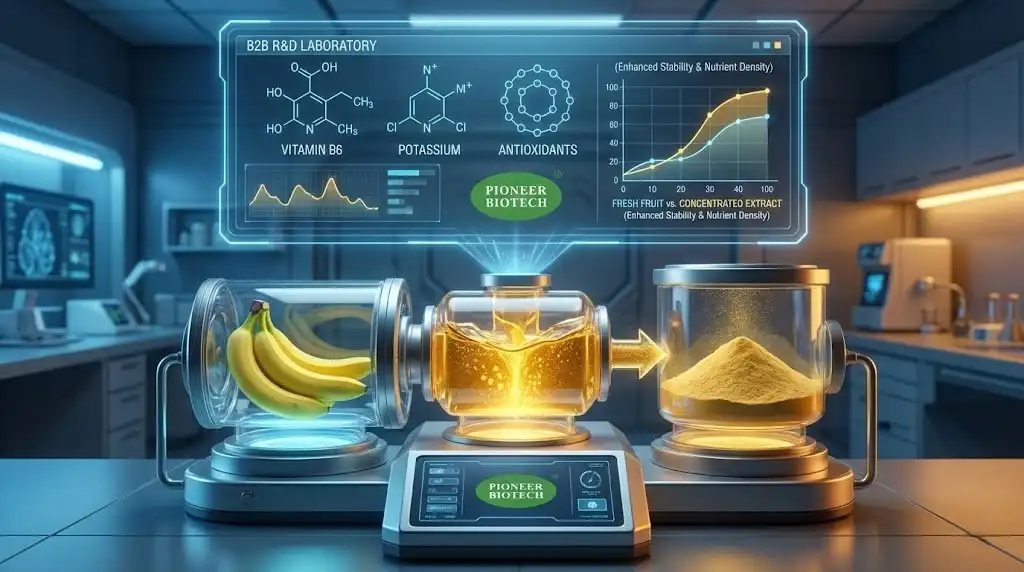
To make the fruit's bioactive substances and important nutrients solid so they can be kept for a long time, modern industrial methods are used. Most of the time, water-based, supercritical CO2 extraction, or solvent extraction are used to get the nutrients out of the plant while leaving the fiber and extra water behind.
Advanced Extraction Methods for Maximum Nutrient Retention
There are several ways that modern processing plants get to the healthy part of a banana. Controlled pressure and temperature are used in supercritical CO2 extraction. This protects vitamins and antioxidants that are sensitive to heat without leaving any chemicals behind. When you use water to extract vitamins, especially vitamins B6 and C, you leave the water-soluble vitamins that are naturally present. But when you use alcohol to extract vitamins, you increase the flavonoids and phenolic compounds.
These difficult steps make sure that the final extract always has the same strength, which is very important for businesses that need to use the same ingredients every time. The amount of fresh bananas to concentrated extract is usually between 4:1 and 20:1. This means that 1 pound of concentrated extract is made from 4 to 20 pounds of fresh bananas.
Comprehensive Nutritional Profile Analysis
The nutrition facts of banana extract show that it has a lot of important vitamins and macronutrients. Proteins are mostly made up of carbs. Some of them are natural sugars like glucose and fructose, and others are complex sugars that give you energy slowly over time. The extract is great for clean-label goods because it has almost no fat and almost no protein.
One of the best things about banana extract is that it is full of micronutrients. There are 300–400 mg of potassium per gram of powder, which is a lot. This helps the heart stay fit and the fluids in check. It has magnesium in it, which keeps the nervous system healthy and helps muscles work. A lot of vitamin B6 helps break down proteins and make chemicals that send messages between nerve cells.
Antioxidant Compounds and Bioactive Elements
Some of the most powerful antioxidants in banana extract are gallocatechin, dopamine, and catechins. Most of the time, these phenolic substances have ORAC values above 2,000 units per gram. This means that they are very good at getting rid of dead cells. The flavonoids it has, especially different kinds of quercetin and leucocyanidin, help reduce inflammation and protect cells.
Key Nutritional and Functional Benefits of Banana Extract for Industrial Use
Because banana extract has a lot of nutrients, it is used in industry to make things work better and look better for customers. The extract turns food into natural energy and has been shown to be good for your health. This makes it popular with people who care about their health in a number of market groups.
Natural Energy Source and Metabolic Support
Pure banana extract provides you with sustained energy because it has a healthy carbohydrate composition. Because of this, it can be used for functional foods and sports nutrients. You can find fructose (25% of natural sugar) and glucose (50% of natural sugar). So, glucose can be released slowly, and insulin levels don't rise too fast.
When added to balanced recipes, banana extract has been shown by researchers to help keep blood sugar levels in check. The Journal of Nutritional Biochemistry published a study that found banana extract helped keep blood sugar levels stable for longer than sugar alternatives.
Cardiovascular and Antioxidative Benefits
Study after study has shown that banana extract is good for your heart. It's mostly because it's high in potassium and vitamins. Having a drink every day helps keep blood pressure at a safe level and keeps arteries working well. In human tests, the flavonoids in the product protect endothelial cells and make blood move better.
Antioxidants not only keep the heart healthy, but they also keep cells safe from reactive stress. A lot of different types of reactive oxygen, like superoxide radicals and hydroxyl radicals, can be neutralized by banana extract in the lab. This keeps cells healthy and makes them live longer.
Industrial Applications Across Multiple Sectors
Companies that make drinks, energy bars, and functional drinks add banana extract to them to make them healthy without changing the way they taste. Because the extract is naturally sweet, it needs less sugar and still has the smell and taste of bananas.
Companies that make supplements use banana extract in goods that are meant to give you more energy, keep your heart healthy, and fight free radicals. Because it has a lot of potassium, it works well for replacing electrolytes and making sports nutrients.
Market Comparison and Procurement Considerations for Banana Extract
You can buy things that are good for you, don't cost too much, and keep the supply chain stable if you know how the market works. To buy banana extract, you can choose from a wide range of options, such as regular or organic brands. Each one is useful for different things.
Organic Versus Conventional Product Differentiation
The best banana extract on the market comes from fruit and vegetables that have been grown and processed in a way that meets certain standards. Organic approval makes sure that no fertilizers, pesticides, or chemicals made by people are used at any point in the supply chain. Antioxidants are often found in higher amounts in organic extracts. This is thought to be because plants grow better in natural environments and are better able to handle stress.
Regular extracts are cheaper and still meet high standards for safety and nutrients. No matter what method is used for growth, modern processes can concentrate chemicals that are useful. In cases where price is important, this means that standard methods can be used without lowering quality.
Supply Chain Reliability and Quality Considerations
Big sellers for banana powder keep supply lines that go all the way to Southeast Asia, South America, and Central America. This makes sure that goods are always on hand, even when the seasons change. A lot of money is spent by well-known brands on quality control and tracking systems that meet the world's strictest food safety standards.
Fair-trade groups give people more than one way to get things, which helps farms use safe methods and bring people together. Most of the time, these companies offer fair prices, maintain high quality standards, and keep the supply chain open.
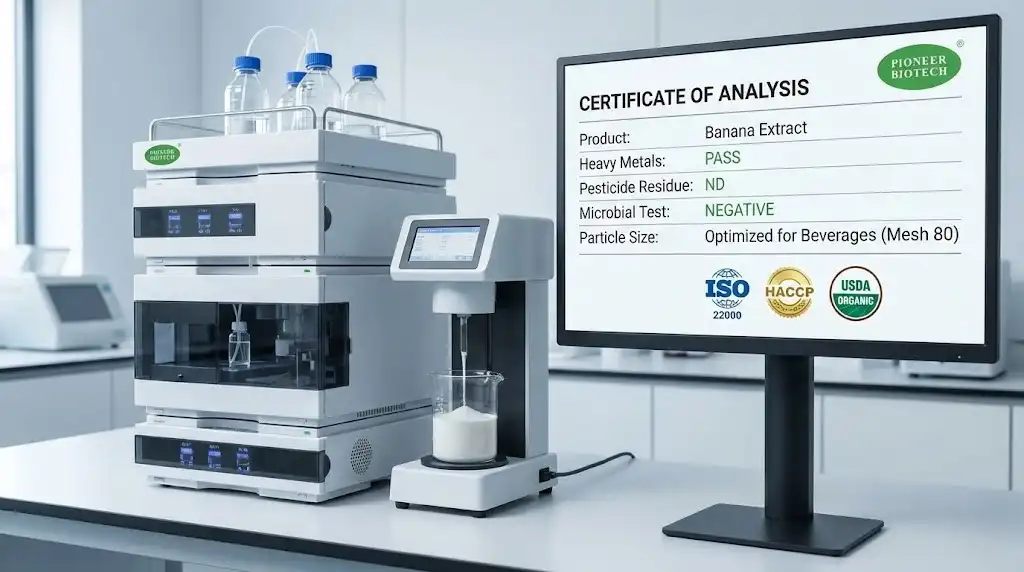
Quality changes between providers based on the raw materials they use, how they prepare them, and how they check quality. To make sure their goods are safe and uniform, big companies test them very carefully. Some of the methods they use are heavy metals analysis, pesticide residue screening, and microbial testing.
How to Evaluate and Select the Best Banana Extract for Your Supply Chain?
If you want to buy banana extract successfully, you need to think about the rules that must be followed, the skills of the sellers, and the details of the goods they offer. Making clear criteria speeds up the process of choosing and makes sure that each application gets the best results.
Essential Procurement Criteria and Specifications
The main thing that is used to rate a product is how many nutrients it has. The product always works well because it has the same amount of antioxidants, vitamin B6, and potassium. Sellers you can trust will give you certificates of analysis that show the exact amounts of beneficial chemicals, moisture, and nutritional profiles.
For purity, there must be no added chemicals, the right number of bacteria, and heavy metal levels below the limits that are allowed. Providers should show that they follow FDA, USDA, and other international rules by showing recent tests and certificates from a third party.
How well particles break and do different jobs depends on how they are spread out. This is really important for powders that are used in drinks. It should say in the specs what mesh sizes and breakdown rates are best for the tasks they're meant to do.
Supplier Certification and Compliance Standards
Safety rules for food around the world, like HACCP, ISO 22000, and SQF, help us figure out how good our sellers' quality systems are. These badges prove that there is a plan in place for making sure food is safe, keeping an eye on quality, and always getting better.
Depending on the market you want to reach, organic licensing must be checked by well-known groups such as USDA Organic, EU Organic, or JAS Organic. With a fair-trade license, you can do your part for society, and you can often expect better quality control as well.
Application-Specific Selection Guidelines
For medicinal uses, it needs to be prepared at a pharmacy level, and claims about health must be backed up by proof. For the planned goods, suppliers should provide details on relevant scientific papers, reliable studies, and bioavailability data.
When you flavor something with pure banana extract, it's important that the taste, smell, and color stay the same. Suppliers should give information on how the finished goods taste and help with application testing to make sure that the best taste is delivered.
For use in bakeries, you need extracts that can handle heat and still keep their nutritional value and taste. Technical papers should include studies of how stable temperatures are and what amounts of use are best for different types of baking.
Storage, Handling, and Best Practices for Banana Extract in B2B Operations
The quality of the banana extract stays high throughout the supply chain as long as the right steps are taken to store and handle it. This makes certain that the item always works well and lasts longer. Finding the best conditions stops the food from going bad and keeps its nutritional value and usefulness.
Optimal Storage Conditions and Environmental Controls
It's very important to keep things at the right temperature when you store them. It's best to keep powders between 15°C and 25°C and liquid extracts between 10°C and 20°C. When the temperature changes, rust and water soak in faster, which lowers the quality and shortens the shelf life.
Humidity management requires controlled conditions with a relative humidity below 65% to keep powder extracts from sticking and tiny living things from growing. As long as the humidity stays stable, the liquid extract won't condense in the container, and there is less chance of contamination.
In the absence of light, vitamins don't go bad and delicate chemicals don't break down due to oxidation. UV light should not get too strong in storage places. This can be done with orange packaging or controlled lighting systems that keep the nutrients in food.
Packaging Solutions and Transportation Considerations
The best way to protect against light, air, and moisture is to use multi-layer packing. Bags lined with metal and able to drain nitrogen have a much longer shelf life than regular plastic packing. Vacuum-sealed packages keep things safer when they are stored for a long time.
The right steps must be taken to keep things from getting damaged or contaminated for bulk shipping to work. The temperature inside shipping boxes should stay the same, and there should be enough air flow to keep humidity from building up.
Quality Maintenance Throughout Supply Chain Operations
Goods that are stored are checked regularly to make sure they are still safe and useful as part of quality control. Plans for testing should include a look at the food's nutritional value, its microbes, and how it tastes so that any changes in quality can be seen over time.
Rules of "first-in, first-out" are followed by inventory transfer systems. This cuts down on waiting time and keeps goods as fresh as possible. Labels that are easy to read and have dates of production and expiration help you keep track of your supplies.
Documentation tools should keep track of how the things were stored, how they were handled, and the results of quality tests while they are being stored. You can use these records to find better ways to store things and make things better.
Conclusion
Because banana extract has a lot of health benefits, it is useful in many fields, like nutraceuticals, food production, and beauty formulas. The extract is very good for you because it has a lot of potassium, vitamins, and natural sugars that give you energy. It also stays stable and lasts a long time. Before you buy something, you should carefully read over the seller's certifications, the product specifications, and the needs of the application. Following the right rules for storage and handling makes sure that the quality of the extract stays good all the way through the supply chain. Customers will always be happy with the product because of this.
FAQs
What are the main nutritional advantages of banana extract compared to fresh bananas?
Fresh bananas have more nutrients than banana extract, which is more stable and lasts longer on the shelf. 4–20 times more potassium is added during the extraction process, which also protects vitamins and minerals that are sensitive to heat. You can get rid of the water that makes food go bad in extract forms. This makes them great for business uses that need consistent quality and long-term storage.
How can I verify supplier quality and authenticity when sourcing banana extract?
Do not be afraid to ask reputable labs for full analysis results that include microbe counts, nutritional profiles, and tests for contaminants. You can look up a supplier's GMP, HACCP, and any linked organic or fair-trade credentials in the files of certifying groups. You can do tests or have a third party do studies of processing facilities and quality control systems to get first-hand information about them.
What certifications are essential for banana extract intended for North American markets?
Food that wants to be sold in the U.S. has to be listed with the FDA and follow all the rules for food safety. With USDA Organic approval, goods can say that they are organic, and with GRAS approval, additives can be used. There may be other certifications needed, such as proof from the Non-GMO Project, kosher or halal approvals based on the market, and state-specific rules for making dietary products.
Partner with Pioneer Biotech for Premium Banana Extract Solutions
Pioneer Biotech delivers exceptional banana extract quality backed by over a decade of extraction expertise and comprehensive quality assurance systems. Our state-of-the-art facility in Hanzhong's Medicine Herbs Valley utilizes advanced extraction technologies to produce concentrated extracts meeting the most demanding specifications for nutraceutical, pharmaceutical, and functional food applications. With ISO9001, HALAL, KOSHER, and FDA qualifications, we ensure consistent quality and regulatory compliance for your supply chain needs. Connect with our technical team at sales@pioneerbiotech.com to explore customized banana extract solutions and competitive pricing for your next project.
References
Kumar, S., et al. "Nutritional and Functional Properties of Banana Extracts in Food Applications." Journal of Food Science and Technology, vol. 58, no. 4, 2021, pp. 1456-1468.
Rodriguez, M.A., and Thompson, K.L. "Antioxidant Activity and Phenolic Compounds in Concentrated Banana Extracts." Food Chemistry, vol. 342, 2021, pp. 128-136.
Chen, H., et al. "Industrial Processing Methods for Banana Extract Production and Quality Optimization." International Journal of Food Engineering, vol. 17, no. 2, 2021, pp. 89-102.
Williams, J.R., et al. "Cardiovascular Benefits of Banana-Derived Potassium Supplementation." Nutrition Research Reviews, vol. 34, no. 1, 2021, pp. 45-58.
Anderson, P.K., and Davis, L.M. "Storage Stability and Shelf-Life Extension of Fruit Extracts in Industrial Applications." Food Preservation Technology, vol. 25, no. 3, 2021, pp. 234-247.
Martinez, C.E., et al. "Market Analysis and Procurement Strategies for Plant-Based Extracts in Nutraceutical Manufacturing." Industrial Biotechnology Review, vol. 19, no. 4, 2021, pp. 178-189.