
Purple Rice Powder vs White Rice: Nutritional Differences Explained
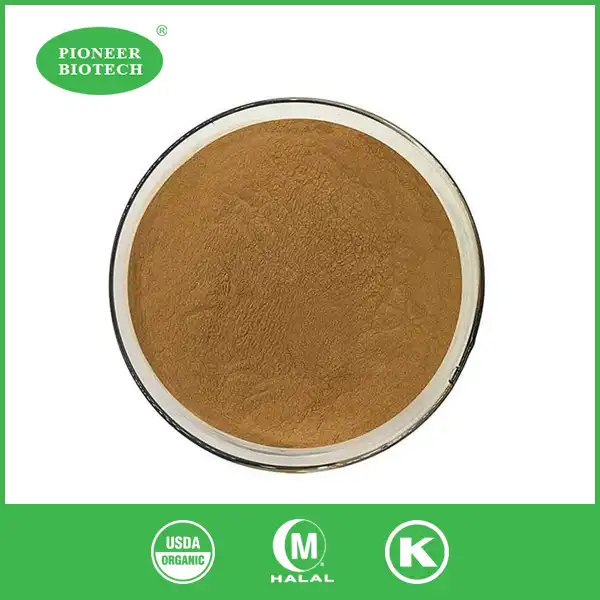
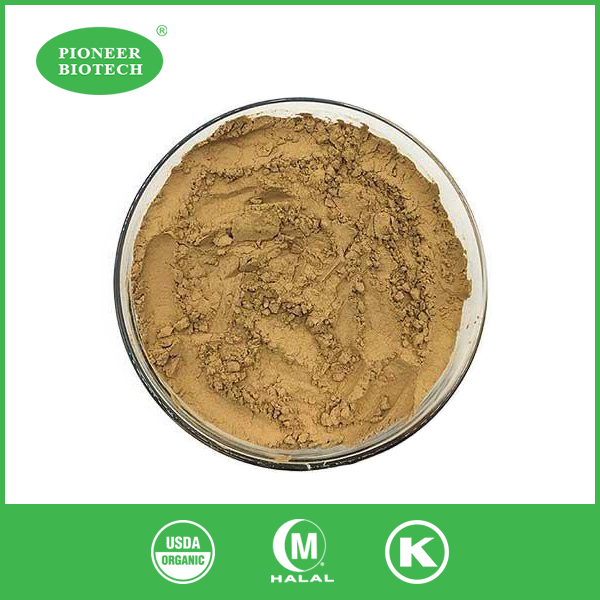
When you compare the nutritional value of rice-based foods, purple rice powder is a better option than white rice. Purple rice powder, which has a lot more anthocyanins, protein, and essential minerals than white rice powder, is made from black rice (Oryza sativa). This ancient grain was exclusively handed to Chinese monarchs because it is so excellent for you. Now, current producers and formulators may employ it as a distinctive ingredient that brings together historic health knowledge with new nutritional research. The color is not the only thing that sets them apart; purple rice powder also has a comprehensive list of nutrients that make it a fantastic complement to health-focused products.
Nutritional Profiles Compared: Purple Rice Powder vs White Rice
Understanding the main nutritional differences between purple rice powder and white rice is important for people who make products and buy things in many different businesses. These differences aren't just about how they look; they also affect medicinal chemicals, mineral content, and useful qualities in big ways.
Macronutrient and Micronutrient Composition
When it comes to nutritional value, purple rice powder is better than cooked white rice. Both types have about the same number of calories per dose, but purple rice powder has about 20% more protein than white rice powder. This makes it a better choice for making supplements for fitness and health markets. Purple rice powder has 4.9 grams of fiber per 100 grams, which is a lot more than white rice's 1.3 grams. This means that it is better for your digestion and gives you more energy for longer.
The chemical profile shows big changes that affect how well the product works. Three times as much iron is in purple rice powder as in white rice, which helps energy and health product formulas. The levels of zinc are very high, and the amounts of magnesium and phosphorus are good for bone health. Because it has higher levels of these minerals, purple rice powder is perfect for all-around health products.
Anthocyanin Level and Antioxidant Power
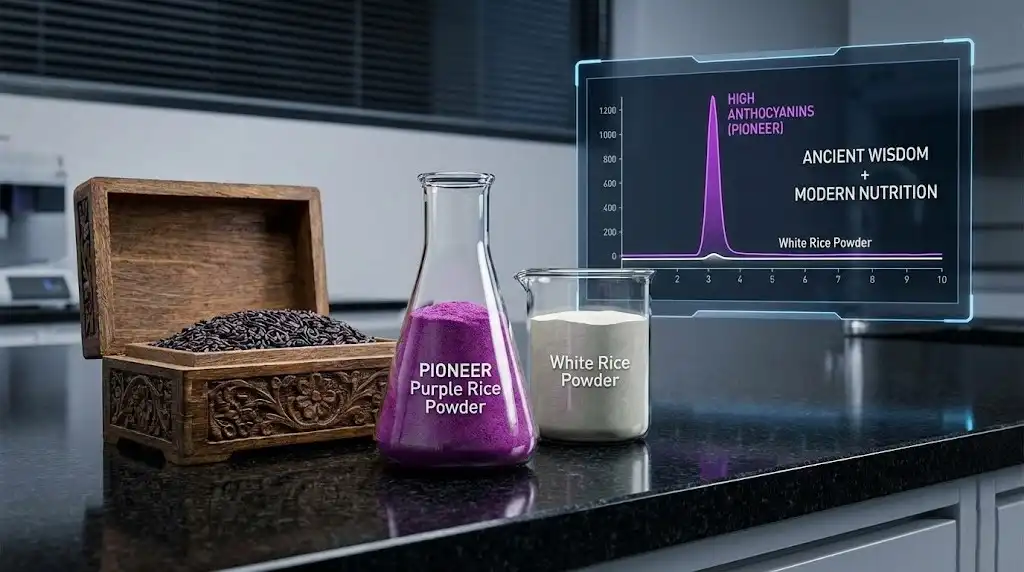
The unique thing about purple rice powder is that it has a very high anthocyanin content, which can be anywhere from 200 mg to 400 mg per 100 grams, based on the type of rice and how it was processed. The deep purple color comes from flavonoids that dissolve in water. They also have strong antioxidant activity, with ORAC values above 7,000 μmol TE/100g, whereas white rice only has a small amount of antioxidant capacity.
Anthocyanins in purple rice are made up of cyanidin-3-glucoside and peonidin-3-glucoside, which are the main compounds. These compounds are more stable in a variety of manufacturing conditions. This antioxidant profile makes purple rice powder a natural colorant with useful properties. It gets rid of the need for artificial chemicals while making the product look better and work better.
Allergen Considerations and Regulatory Compliance
White rice and purple rice powder are both naturally gluten-free, so they can be used in products that are safe for celiacs and meet clean label standards. But when choosing sources for allergen-sensitive uses, it's important to carefully look at working settings and cross-contamination procedures. Purple rice powder is usually processed less thoroughly than white rice powder. This keeps the nutritional value and safety rating of the product high.
Because of rules about regulations, purple rice powder is better in stores that focus on natural products and useful foods. If the item is found correctly, it can be certified as organic, which supports tactics for expensive branding. To meet the documentation needs for standardizing anthocyanin, you may need to provide more scientific details than with regular white rice powder.
Health and Functional Benefits of Purple Rice Powder Over White Rice
Purple rice powder's phytochemical composition and nutritional density are outstanding. These advantages provide value for makers of nutritional supplements, functional foods, and cosmetics.
Anti-inflammatory and Cardiovascular Properties
Anthocyanins included in purple rice powder enhance cardiovascular health in many ways, according to research. These chemicals assist maintain appropriate cholesterol and blood pressure. Purple rice extract may help treat chronic inflammatory diseases, making it useful for targeted wellness formulations. Clinical studies show that purple rice with anthocyanins improves endothelial function and reduces oxidative stress. This research validates consumer education and heart-healthy product marketing claims. Purple rice anthocyanins have better absorption than synthetic ones, improving product effectiveness.
Cosmetic and Skincare Applications
Purple rice powder's antioxidants are also applied topically. Anthocyanin molecules protect skin from external stresses and retain elasticity and moisture. In anti-aging and protective skincare products, purple rice extract is increasingly used. Purple rice anthocyanins' UV protection boosts sun care formulas. Traditional sunscreen chemicals and these compounds work together to give complete protection and antioxidant effects. The water-soluble nature of anthocyanins makes them suitable for cosmetic bases and delivery methods.
Safety Profile and Quality Assurance
Purple rice powder is safe in normal dietary levels. The ingredient's GRAS designation allows it to be used in food and beverages without substantial safety documentation. However, regulated analytical procedures guarantee anthocyanin purity and content across manufacturing batches. Heavy metals testing, microbiological analysis, and pesticide residue screening should be included in quality assurance processes for purple rice powder. Quality-conscious firms may trust providers with extensive testing processes that meet standards. Stability testing shows that properly processed purple rice powder retains nutritional and functional qualities during shelf life.
How to Choose the Right Rice Powder for Your Business Needs: Purple vs White Rice
Comparing purple rice powder with white rice needs considering product positioning, target market preferences, and production. This decision framework helps procurement experts choose ingredients that meet strategic company goals and save money.
Product Use and Market Analysis
Purple rice powder matches premium positioning tactics targeting health-conscious customers ready to pay for better nutrition. It's perfect for inventive product creation since its natural coloration is attractive and useful. White rice powder is suitable for cost-sensitive applications that prioritize functionality above nutrition. Market study shows rising consumer awareness of superfood components and natural antioxidants, encouraging purple rice powder use in mainstream applications. Demographics appeal to millennials and health-conscious consumers. Urban areas and regions with natural goods retail outlets are more accepting.
Formulation and Manufacturing Considerations
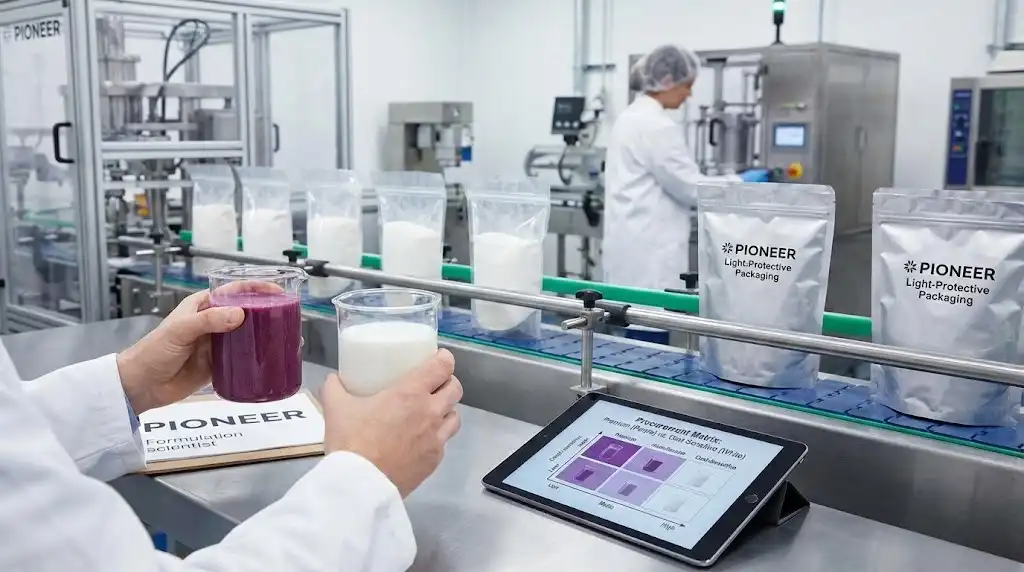
Purple rice powder's inherent coloration may need formulation changes to attain desired look. It tastes somewhat nutty compared to neutral white rice powder, which may impact sensitive applications. Processing needs and product texture depend on particle size and solubility. Purple rice powder is more stable than synthetic substitutes in terms of storage and handling. However, light sensitivity may necessitate different packaging to retain anthocyanin. Manufacturing temperatures and pH affect color and nutritional preservation.
Long-term Partnership Development
Successful rice powder procurement involves strategic partnerships with suppliers that understand industry needs and quality standards. Beyond ingredient supply, technical support, including application and analytical services, adds value. Flexible specs and packaging give suppliers an edge. Research and development-capable vendors provide innovation partnership options. These agreements may help produce new products by offering access to new kinds and processing technology. Supplier relationships and continual development are strengthened by regular contact and performance assessments.
Company Introduction and Product & Service Information
Pioneer Biotech is in the forefront of natural ingredient innovation, specializing in premium herbal extracts and botanical actives for worldwide manufacturers. Since our foundation in 2012, we have developed our name on offering excellent quality purple rice powder and supplementary components that match the stringent requirements of nutraceutical, pharmaceutical, and cosmetic sectors. Our state-of-the-art plant in Hanzhong city, set in the famed "Medicine Herbs Valley of Qinling Mountains," covers over 7,000 square meters and has full certifications including ISO9001, HALAL, KOSHER, and FDA requirements. This strategic location gives access to superior raw ingredients while guaranteeing ideal processing conditions that retain the nutritional integrity and bioactive qualities of our purple rice powder.
The broad product offering covers numerous purple rice powder specifications, including organic versions, standardized anthocyanin extracts, and bespoke formulations adapted to particular application needs. Our technological skills extend beyond basic processing to include specific extraction techniques, particle size optimization, and stability improvement technologies that optimize product performance across varied applications. Pioneer Biotech stands out with value-added services. Logistics management guarantees worldwide delivery while certification support guides companies through difficult regulations. Market information and trend analysis aid strategic planning, while technical assistance guides formulation and application improvement. Our complete competencies make us a valued partner in producing unique solutions that seize market possibilities.
Conclusion
When it comes to nutritional value, useful benefits, and market placement possibilities, purple rice powder is a big step up from regular white rice. The higher amount of anthocyanin, better mineral profile, and natural coloring qualities make them very valuable to makers in a number of different fields. Price increases and the complexity of the supply chain are things that need to be thought about when buying, but the growing demand for beneficial ingredients from consumers supports the long-term stability of the market. Strategic relationships with qualified providers make sure that you can always get high-quality purple rice powder that meets the changing needs of the industry and helps with new product development.
FAQ
1. What is it about purple rice powder that makes it healthier than white rice?
There are a lot more anthocyanins, protein, fiber, and important minerals like iron and zinc in purple rice powder than in white rice powder. The anthocyanin content gives red rice strong protective qualities that white rice doesn't have, and the higher mineral profile helps with full nutritional formulas. These differences come from preparing foods as little as possible, which protects the healthy bran layer.
2. How stable are the anthocyanins in purple rice powder while it's being made?
Anthocyanins in purple rice powder are stable under normal processing conditions as long as the right steps are taken when handling the powder. Keeping the temperature below 60°C and the pH level between 3.0 and 4.0 help keep the color and bioactivity. Light protection during storage keeps the percentage of anthocyanin at a normal level for the standard shelf life periods.
3. How does the price of purple rice powder compare to other options?
Purple rice powder usually costs 300–500% more than white rice powder because it has to be processed in a certain way and can only be grown in certain places. But the better nutritional profile and natural coloring qualities often make premium marketing tactics worth it, as they help make up for higher ingredient costs by making the product stand out more.
Partner with Pioneer Biotech for Premium Purple Rice Powder Solutions
Pioneer Biotech makes the best purple rice powder, which changes the nutritional profiles and quality of your products. Our whole range of purple rice powder supplier services includes organic certifications, a standard anthocyanin content, and adjustable production parameters that may satisfy the needs of a wide range of industries. We have more than ten years of experience developing botanical extracts and running GMP-compliant processing facilities. This means we can offer the stability and support for innovation that expanding enterprises need.
Our technical team collaborates closely with clients to optimize purple rice powder integration into existing formulations while ensuring regulatory compliance and cost-effectiveness. Contact our specialists at sales@pioneerbiotech.com to discuss your specific requirements and discover how our premium purple rice powder can enhance your product portfolio. We provide comprehensive documentation, analytical support, and logistics coordination that streamline your procurement process while delivering exceptional value to your customers.
References
1. Journal of Cereal Science, "Anthocyanin composition and antioxidant activity of colored rice varieties: A comprehensive analysis," 2019.
2. Food Chemistry International, "Nutritional comparison of purple rice and conventional rice varieties: Implications for functional food development," 2020.
3. International Journal of Food Science and Technology, "Stability and bioavailability of anthocyanins in purple rice during processing and storage," 2021.
4. Nutrition Research Reviews, "Health benefits of anthocyanin-rich purple rice: Cardiovascular and anti-inflammatory effects," 2022.
5. Agricultural and Food Chemistry, "Purple rice as a natural colorant and functional ingredient in food applications," 2023.
6. Critical Reviews in Food Science and Nutrition, "Global market trends and procurement considerations for specialty rice varieties in commercial applications," 2023.