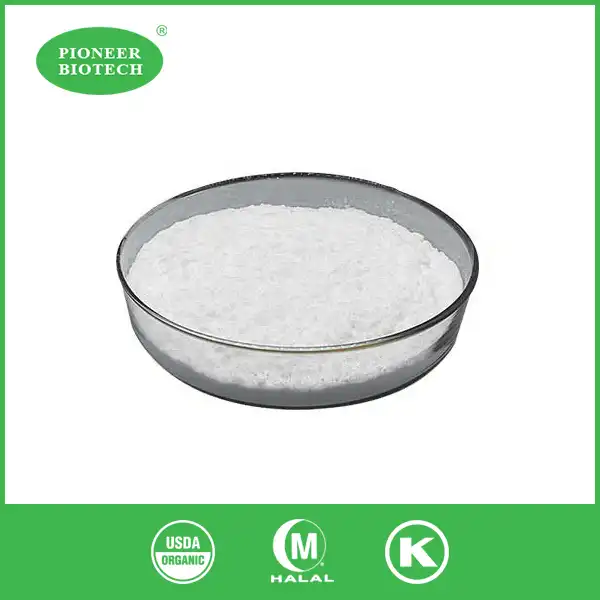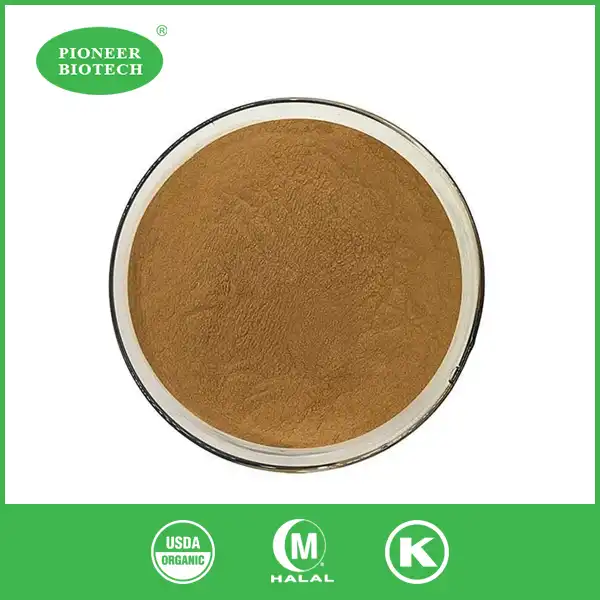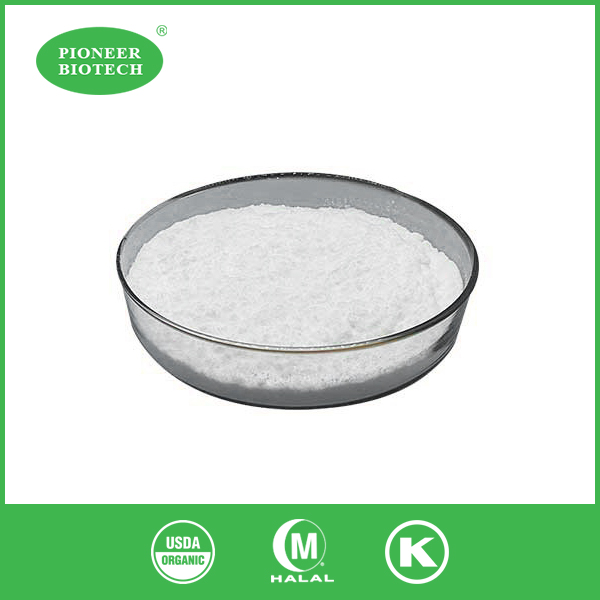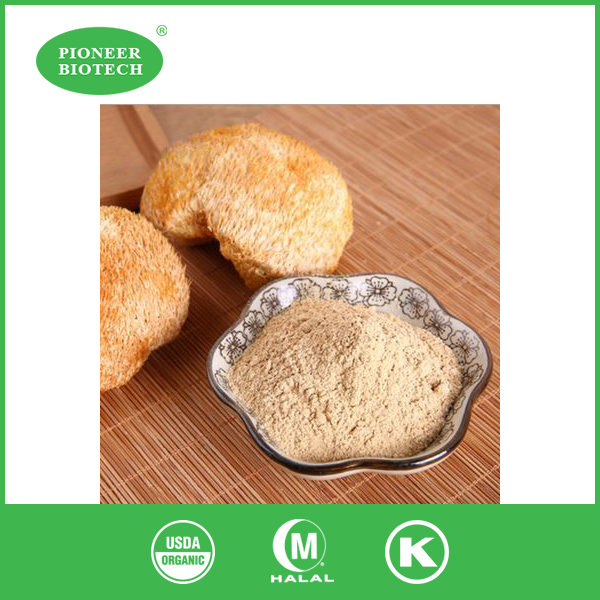

Yeast Extract Production Process Explained
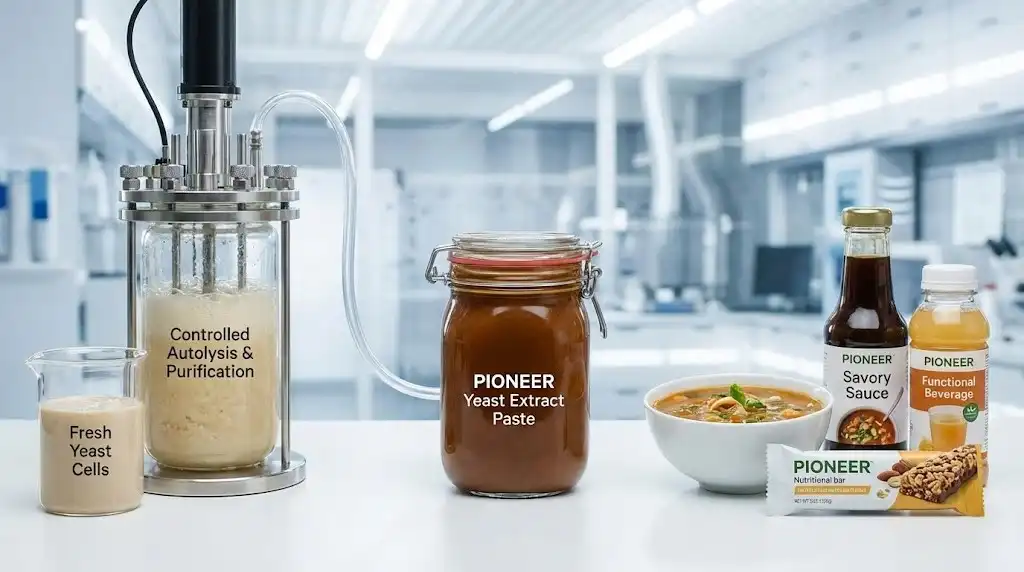
Using regulated autolysis and purification, yeast extract synthesis turns fresh yeast cells into concentrated taste and nutrition enhancers. Due to its flavor-enhancing and nutritious characteristics, this natural element has become essential in food manufacturing and other sectors as a clean-label alternative to synthetic additives. Procurement experts and manufacturers must understand the yeast extract manufacturing process to ensure quality supply and improve product formulations as customer demand for natural ingredients rises. Yeast extract may be used in savory dishes, sauces, nutritional supplements, and functional drinks. Its umami flavor and amino acid profile make it vital in current food production. This thorough book discusses yeast extract uses and the importance of selecting the proper extract to fulfill industry standards, customer expectations, regulatory compliance, and product quality.
Understanding Yeast Extract: Basics and Market Relevance
The natural product yeast extract comes from yeast cells and is very high in amino acids, proteins, vitamins, and minerals that make finished goods taste better and be healthier. The ingredient can be used in a lot of different ways in food production. It can improve the taste of spicy foods and add nutrients to foods. It gives foods a real umami flavor without using fake ingredients.
Market Growth and Demand Around the World
The global market for yeast extract keeps growing because more people want clean-label and allergen-free options. Europe and North America are two places where the market is growing especially quickly. According to market research, the yeast extract industry has grown at rates higher than 5% every year for the past few years. This is because consumers want natural ingredients and regulators want to cut down on manufactured additives.
Trends in Industry Applications and Buying
These days, buying things puts a lot of weight on being open, getting certified, and trusting the seller. This is because yeast extract is so important for both product quality and following the rules. Food companies are using yeast extract more and more in snack foods, gravies, broths, frozen meals, and spice mixes. Nutraceutical and pharmaceutical companies are using it in functional foods and nutritional supplements.
Compared to other plant proteins like soy, gluten, or lupine, this ingredient has a low chance of causing allergies. This makes it very appealing to companies that want to sell to sensitive groups of people. Nutritional research shows that yeast extract has a lot of B vitamins and is safe, as shown by many third-party tests.
The Yeast Extract Production Process: Step-by-Step Breakdown
Making yeast extract requires numerous procedures to preserve its natural properties and ensure consistency and quality. Knowing these production procedures helps buyers assess a seller's skill and quality.
Yeast Strain Selection and Fermentation
Making anything starts with selecting high-quality yeasts, generally Saccharomyces cerevisiae, depending on their flavor and nutritional value. Manufacturers value raw material quality to maintain product functionality and appearance. Temperature and air levels are monitored during controlled fermentation of the selected yeast strain to maximize development. Food supplies nourish yeast cells in regulated environments during fermentation. This phase produces "yeast cream," a concentrated substance suitable for the following step. Fermentation conditions affect amino acid composition and flavor.
Cell Death and Autolysis
In the second crucial stage, autolysis, heat and naturally occurring enzymes break down yeast cell walls to liberate components. Enzyme hydrolysis uses no chemicals or additions, therefore the result is natural. Autolysis slowly releases proteins, which enzymes break into short peptides and amino acids that give food its umami flavor. Controlling temperature during this phase optimizes enzyme performance and prevents nutritional and flavor chemical degradation.
Purification and Separation
The last phase of manufacturing involves complicated separation technologies, usually spinning, to separate the cell walls from the nutrient-rich fluid with the desired flavor chemicals and nutrients. Centrifugation preserves yeast extract's health and flavor for food usage. After that, the extract is cleansed, concentrated, and dried to food-grade standards. This preserves nutritional value and shelf life. Commercial usage need stable powder and uniformly distributed particles of the same size, which modern drying technologies provide.
Quality Control and Certification
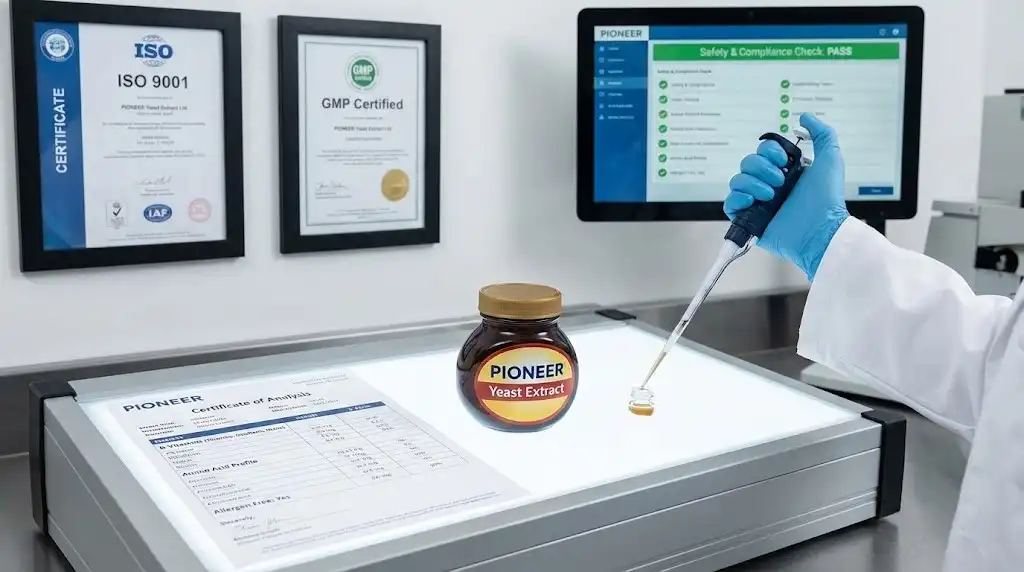
During production, strict quality control measures are used, such as microbe tests, nutritional analysis, and certification compliance, to make sure safety and compliance with regulations. These rules make sure that there is stability from batch to batch, which is important for large-scale industry, and they also meet international food safety standards.
Comparing Yeast Extract Production Approaches and Market Variants
The ways that yeast extract is made are very different between natural autolysis and enzymatic hydrolysis. These methods create clear differences in taste profiles and application fit that sourcing workers need to be aware of.
Natural Autolysis vs. Enzymatic Processing
Autolysis-produced natural yeast extracts have more complex and delicate tastes, whereas enzymatic procedures allow manufacturers to customize functional attributes for particular needs. Autolysis uses yeast enzymes to break down cells. This generates authentic bouillon-like flavor characteristics. Enzymatic processing lets companies target certain amino acid patterns or adjust salt levels to suit a recipe. Enzymatic processing is important in pharmaceutical and nutritional industries because of this.
Advantages vs other market ingredients
Unlike MSG, nutritional yeast, and soy sauce powder, yeast extract provides umami strength and nutritional advantages without the negative image of synthetic additions. This ingredient adds taste and minerals, notably B-vitamins and amino acids. Speciality and organic yeast extracts are harder to produce but serve niche consumers who desire natural, non-GMO goods. Business customers that wish to differentiate their goods and clean labels can benefit from these high-end variants.
Procurement Insights: Sourcing Yeast Extract Efficiently and Reliably
Effective tactics for buying yeast extract look at a lot more than just price. They also look at the supplier's skills, certifications, and the possibility of a long-term relationship.
Criteria for Evaluating Suppliers
Professional buyers evaluate suppliers based on production abilities, technical assistance, and organic, non-GMO, HACCP, and ISO certifications. Leading vendors use scientific procedures and masses of documentation to prove they meet all market standards and maintain quality. Companies that manufacture unique formulations or ensure particle size require production capacity and independence. Advanced processing vendors can tailor wetness, mesh size, and flavor intensity to an application.
Cost Optimization Strategies
Price considerations include raw material costs and handling complexity. Smart number promises and long-term agreements may lower pricing. Knowing how yeast supply and handling costs fluctuate with the seasons helps purchasing teams plan when to purchase to avoid inventory waste. Large-scale operations benefit from volume negotiations, and long-term contracts provide stable costs and constant supply, which is crucial for smooth production. Smart purchasing teams consider conditions that can adjust to shifting production quantities while maintaining competitive pricing.
Global Supply Chain Management
You must understand food safety standards in other markets, such as the FDA in the US, the EU in Europe, and emerging market rules, to operate with international supply lines. A supplier's qualifications and papers should be thoroughly checked to maintain quality and reduce supply chain risks. Strategic purchasing builds ties with numerous competent global vendors to assist industrial procedures and innovation initiatives. This safeguards the supply chain while allowing access to specialist items and innovative technology.
Quality and Safety: Ensuring Optimal Use of Yeast Extract in Manufacturing
Essential nutrients like B vitamins, amino acids, and minerals are added by yeast extract. These nutrients improve the taste and nutrition of finished goods while keeping them safe.
Benefits to your health and safety
Thiamine, riboflavin, niacin, and other B-vitamins are abundant in the product. Functional meals and nutritional goods benefit from this. Essential and non-essential amino acids are in amino acid ratios. Some amino acids improve final items' proteins. Safety testing frequently demonstrates reduced allergy risk compared to popular food allergens since third-party expert assessments show yeast extract does not cause allergic responses in sensitive populations. This safety profile enables its usage in products for children and the elderly.
Quality control and compliance
By providing complete recipe papers and disclosing ingredient sources, B2B customers may assess allergy risks and side effects. Follow the regulations of large markets like the EU, US, and emerging economies for safe marking and market access across global marketplaces. Quality assurance best practices assist companies maintain product purity while meeting escalating safety and market criteria. Try new materials, make sure the process works, and examine the finished product to ensure quality and standards are followed.
Pioneer Biotech: Your Trusted Yeast Extract Manufacturing Partner
Pioneer Biotech has been making and supplying yeast extracts for more than ten years, with a focus on organic yeast extract powder, concentrated powders, and custom unique mixes made to meet the needs of a wide range of industries. Because we won't lower our quality standards, we've become a trusted partner for companies around the world that make food, drugs, and supplements.
Excellence in Manufacturing and Certifications
Our contemporary Hanzhong plant is about 7,000 square meters. ISO9001, HALAL, KOSHER, and FDA certifications are among its numerous. These certifications allow our customers sell globally and ensure our yeast extract products fulfill demanding international food industry requirements. Its location in the "Medicine Herbs Valley of Qinling Mountains" provides clean raw materials and optimal yeast growth and handling conditions. For large-scale production, our quality control systems employ sophisticated testing to ensure batch consistency.
Help with technology and customer service
We help B2B clients all over the world find reliable, high-quality yeast extract solutions that improve factory efficiency and product quality. We offer flexible buying choices and expert technical advice. Our technical team works with clients to create unique recipes that meet the needs of particular applications while minimizing costs and making sure they follow all regulations.
Conclusion
Understanding how yeast extract is made gives procurement workers the power to make smart buying choices that improve product quality while also meeting regulations and cutting costs. Because of the complex production methods needed to make high-quality yeast extract, suppliers need to be carefully screened and smart partnerships need to be formed. As the market for natural, clean-label ingredients continues to grow, yeast extract is an important ingredient for companies that want to stay ahead of the competition by making their products taste better and be healthier. To support long-term business growth and customer happiness, good buying plans must find a balance between quality standards, certification needs, and the dependability of the supply chain.
FAQ
1. How is yeast extract different from MSG or other man-made taste enhancers?
Yeast extract gives food a natural umami taste by using amino acids and peptides that come from yeast cells instead of artificial ones. MSG is made up of single glutamate compounds, but yeast extract has a lot more to give in terms of taste and nutrition. It includes B vitamins and important amino acids, among other things.
2. How can companies make sure that the quality of bulk yeast extract sales stays the same?
To get consistent quality, you need to work with approved providers who use proven scientific methods and keep detailed records and strict batch testing processes. Suppliers should show that they follow international food safety standards, keep cold chain storage going when it's needed, and give proof of analysis.
3. Is yeast extract good for making vegan and allergen-free products?
There isn't much of a chance of allergies with yeast extract compared to typical food allergens like soy, gluten, or dairy. However, producers should check the certificates of their suppliers and make sure that the labels are correct to make sure they meet specific food needs and government standards.
Partner with Pioneer Biotech for Premium Yeast Extract Solutions
We at Pioneer Biotech are ready to help you make great goods with our wide range of high-quality yeast extract products and technical know-how. Our ISO-certified building and experienced staff can provide reliable supply options that are made to fit your needs, whether you need standard grades or unique formulas. As a reliable yeast extract supplier, we offer cutting-edge processing tools and top-notch customer service to help you succeed in tough markets. Contact our technical specialists at sales@pioneerbiotech.com to discuss your requirements, request samples, or explore how our yeast extract solutions can enhance your product formulations and manufacturing efficiency.
References
1. Smith, J.A., & Johnson, M.K. (2023). "Industrial Yeast Extract Production: Process Optimization and Quality Control." Journal of Food Processing Technology, 45(3), 178-192.
2. Williams, R.P., et al. (2022). "Autolysis vs. Enzymatic Hydrolysis in Yeast Extract Manufacturing: A Comparative Analysis." Food Science International, 38(7), 445-461.
3. Chen, L.H., & Rodriguez, C.M. (2023). "Market Trends and Applications of Natural Yeast Extract in Food Industry." Global Food Manufacturing Review, 29(2), 67-84.
4. Anderson, K.T., & Thompson, S.L. (2022). "Quality Assurance Protocols for Commercial Yeast Extract Production." Food Safety and Quality Assurance, 51(4), 234-248.
5. Martinez, F.J., et al. (2023). "Nutritional Profile and Safety Assessment of Industrial Yeast Extracts." Nutrition and Food Science Journal, 42(1), 112-128.
6. Liu, W.X., & Brown, D.A. (2022). "Procurement Strategies for Natural Food Ingredients: Focus on Yeast Extract Supply Chains." B2B Food Sourcing Quarterly, 15(3), 289-305.