
How Green Tea Extract Powder Is Made: Extraction Methods Explained
Green tea extract powder is a concentrated form of beneficial chemicals that are taken from Camellia sinensis leaves using complex extraction methods. This standardized plant ingredient has a lot of polyphenols, especially epigallocatechin gallate (EGCG), catechins, and other antioxidants that are good for you and can be used in cosmetics, medicines, and nutraceuticals. During the production process, different extraction methods are used to concentrate the active ingredients while getting rid of any useless plant parts. This makes a powder that can be used in capsules, tablets, functional drinks, and topical formulas.
Understanding Green Tea Extract Powder: Composition and Uses
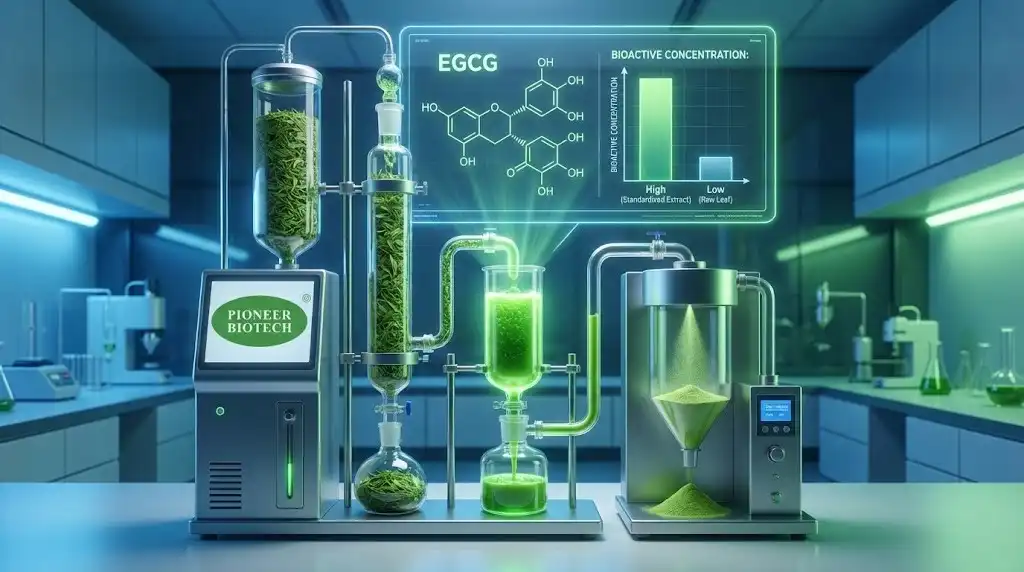
Because it has a concentrated bioactive profile and uniform strength, green tea extract powder is different from other green tea goods. This special ingredient isn't like matcha or whole tea leaves; it goes through exact extraction and purification steps that separate certain chemicals while keeping their biological activity.
Key Bioactive Compounds in Green Tea Extract
Green tea extract powder has a lot of polyphenols, which makes it useful for health. About 40 to 60 percent of all catechins are EGCG, making it the most important beneficial ingredient. Epicatechin gallate (ECG), epicatechin (EC), and catechin (C) are some of the other important parts. They work together to provide antioxidant, anti-inflammatory, and metabolic benefits.
Standardized green tea extracts have between 50 and 98% polyphenols by weight, based on how they were extracted and how well they were cleaned. Manufacturers can get uniform doses and know what the bioactivity of finished goods will be with this concentration. The amount of caffeine ranges from 0.5% to 10%, and many commercial products come in decaffeinated forms for certain uses.
Applications Across Industries
Nutraceutical and food supplement companies use green tea extract powder in formulas to help people lose weight, fight free radicals, and improve heart health. Because it is uniform, there is stability from batch to batch, which is important for following the rules and keeping consumers safe.
Pharmaceutical companies use highly pure ingredients in herbal medicines and over-the-counter medicines. This needs a lot of paperwork and tested analysis methods. The condensed form gives you options for dosage types while still meeting strict quality standards.
Cosmetic makers use the protection and anti-aging qualities of green tea polyphenols in skin care products. The powder form is more stable than liquid extracts, so the product stays effective throughout the supply chain and has a longer shelf life.
Extraction Methods Overview: Traditional to Modern Techniques
A lot of what determines the quality and make-up of green tea extract powder is how it was extracted during production. Using different methods results in different amounts of useful chemicals, which affects both how well they work as medicine and how well they can be sold.
Traditional Water and Ethanol Extraction
The most cost-effective way to make green tea extracts is still to use hot water extraction. The tea leaves are steeped at 70–90°C for 30–60 minutes, and then they are filtered and concentrated. Even though it's cheaper, water extraction usually results in lower polyphenol amounts (30–50%) and may break down chemicals that are sensitive to heat.
Ethanol extraction makes it easier to focus on polyphenolic chemicals while lowering the amount of tannins that can make the plant bitter. 40–70% ethanol solutions are used at controlled temperatures to get the most catechins back while removing as few unwanted extractives as possible. With this method, extracts with 60–80% flavonoid content can be made that can be used in most business settings.
Advanced Supercritical CO2 Extraction
The best way to make high-quality green tea extract is to use supercritical carbon dioxide extraction. This method carefully removes bioactive molecules without using chemical solvents. It works at temperatures above 31.1°C and pressures above 73.8 bar.
The supercritical process has many benefits, such as getting rid of all the solvents, protecting compounds that are sensitive to heat, and giving you exact control over which compounds are extracted. Pressure and temperature can be changed by manufacturers to target specific types of compounds. This makes it possible to make highly purified extracts with 90–98% phenolic content.
There are benefits for the environment, such as less trash and no organic solvent remains, which meets stricter regulations for medicinal and food-grade uses.
Ultrasonic and Microwave-Assisted Extraction
Ultrasonic and microwave-assisted methods are being used more and more in modern extraction facilities to improve speed and product quality. High-frequency sound waves are used in ultrasonic extraction to break down plant cell walls. This improves mass transfer and cuts the time needed for extraction to 15 to 30 minutes.
Microwave-assisted extraction uses controlled electromagnetic energy to heat plant materials from the inside out. This speeds up the release of compounds while keeping the total temperature low. This method keeps thermolabile antioxidants safe while getting extraction rates that are similar to those of standard methods in a lot less time.
Both methods can be used on a large scale and use little energy, which makes them good choices for business production on a large scale where quality control and keeping costs low are very important.
Production Process and Quality Control
To make high-quality green tea extract powder, you have to pay close attention to choosing the right raw materials, making sure the process is optimized, and checking the results analytically at every step of the way.
Raw Material Selection and Preparation
To make high-quality green tea extract, you have to carefully choose the types of tea leaves and the areas where they grow. Manufacturers usually get their tea from well-known plants in China, Japan, and India that offer uniform polyphenol profiles and low risks of contamination.
Processing leaves includes letting them dry out, rolling them, heating or pan-firing them to stop oxidation, and drying them to keep the beneficial chemicals. Suppliers of good quality keep thorough records of analysis for each lot that list the microbiological factors, heavy metals, and pesticide residues that were found.
The way raw materials are stored has a big effect on their quality. For example, keeping the temperature and humidity stable before extraction stops polyphenolic chemicals from breaking down.
Concentration and Drying Technologies
After extraction, the liquid is concentrated to get rid of extra water and raise the density of the active compounds. Vacuum evaporation at lower temperatures keeps heat-sensitive antioxidants safe while still reaching the right concentration levels.
The most common way to turn strong extracts into powder is to dry them using spray drying. The liquid extract is turned into tiny droplets using atomization in a heated room. This quickly removes moisture while keeping the product's structure. The temperatures at the inlet are usually between 150°C and 180°C, and the temperatures at the exit are kept below 80°C to stop thermal damage.
For better protection of bioactive chemicals, freeze drying is recommended, but it costs more to set up and run. This method melts ice crystals right from the frozen extract, making a very porous powder that is great at reconstituting and keeping as many antioxidants as possible.
Comparing Green Tea Extract Powder with Other Forms
Procurement workers can make better sourcing choices based on application needs and cost considerations when they know the differences between green tea extract powder and other forms.
Extract Powder vs. Encapsulated Products
Compared to pre-encapsulated goods, green tea extract powder gives you the most options for how to make your products. Bulk powder lets companies change the amounts that are used, mix it with other things, and make their own special blends for different groups of customers.
When you need a lot of them, the powder version saves you money because you don't have to pay for pill shells or extra processing. Direct testing of active ingredients instead of study of finished capsules also makes quality control better.
Encapsulated goods are convenient for smaller businesses, but they limit the kinds of formulations that can be used and usually have higher prices that might not be in line with how the market works.
Matcha vs. Standardized Extract Powder
Matcha is popular with consumers, but controlled organic green tea extract powder has higher amounts of bioactive compounds that can be used in medicine. Matcha has the whole leaf structure in it, which lowers the density of the active compounds and makes the polyphenol level vary.
Standardized production methods make extract powder consistently potent, which makes dosing predictable and ensures regulatory compliance, which is important for medicinal and nutraceutical uses. Usually, analytical standards ensure minimum amounts of polyphenols and give detailed profiles of catechins.
There are benefits for the supply chain, such as longer shelf life, less shipping, and easier storage requirements compared to matcha goods, which need special handling to keep their color and taste.
Organic vs. Conventional Extract Options
Organic green tea extract powder costs more than regular green tea extract powder, but it has big business and legal benefits for companies that want to attract health-conscious customers. To get certified as organic, growing methods, processing methods, and the purity of the supply chain must all be fully documented.
The main difference in quality between organic and standard extracts is the amount of pesticides left behind, not the amount of beneficial compounds present. With the right separation and purification methods, both choices can reach about the same amount of polyphenols.
When buying something, you should think about things like the supplier's approval status, whether they charge more for organic materials, and whether they'll be available during times of high demand when supplies may be limited.
Key Considerations for Sourcing and Buying Green Tea Extract Powder
To successfully buy green tea extract powder, you need to carefully consider the supplier's skills, quality control methods, and the business terms that meet your needs.
Supplier Qualification and Certification Standards
Quality control starts with carefully checking the certifications and reviewing suppliers. Some important certificates are ISO 9001 for quality control systems, GMP compliance for pharmaceutical uses, and organic recognition when needed.
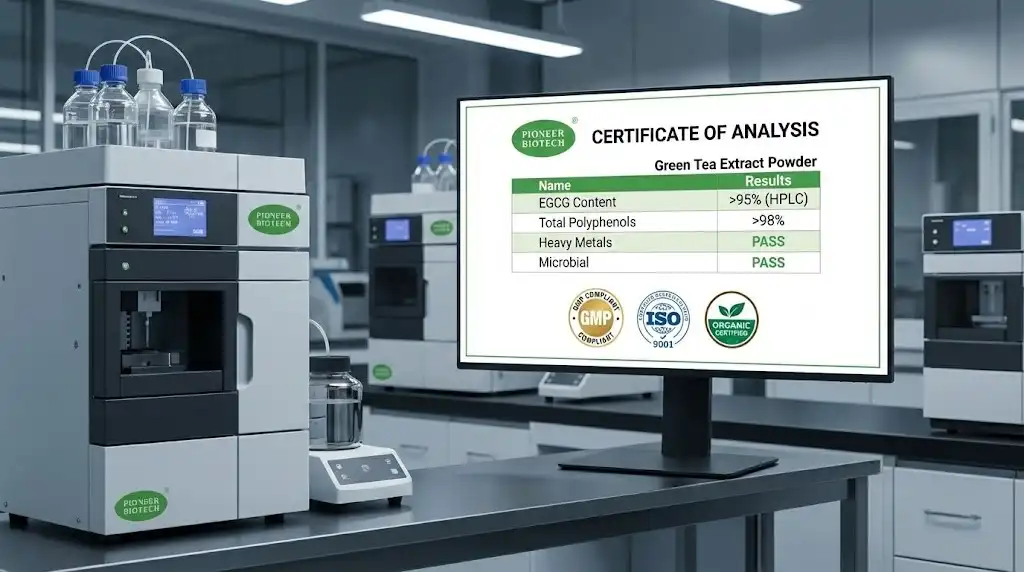
Suppliers with a good reputation keep a lot of quality records, such as method approval reports, stable studies, and certificates of analysis. Being open about analytical tests shows that you care about the quality of your products and following the rules.
Inspections of manufacturing facilities can teach you a lot about how to plan for long-term supply relationships, how to make things, and how to control quality. Modern extraction operations should have good paperwork for batch records, environmental controls, and equipment upkeep.
Analytical Specifications and Testing Requirements
Full analytical standards make sure that the quality of the product stays the same and that it meets all regulations across multiple production runs. Some important factors are the overall amount of polyphenols, the profiles of each catechin, the amount of caffeine, and the amount of water.
To make sure that food and medicines are safe, contaminants must be tested for. This includes looking for heavy metals, chemical residues, and microbes. Suppliers should give records of analysis for each batch that show they meet set standards.
Documentation for method validation shows that the analysis is reliable and helps with regulatory filings for pharmaceutical uses. For all the factors that are being tried, validated methods should have qualities that show precision, accuracy, and stability.
Supply Chain Logistics and Commercial Terms
Patterns of getting raw materials have a big effect on prices and supply during yearly changes. Tea is usually picked in the spring and summer, which could mean that there isn't enough to go around during times of high demand.
To make the best use of working capital and make sure there is always a supply, inventory management techniques should take into account how stable a product's shelf life is and how to predict demand. Most green tea extract powders stay stable for 24 to 36 months if they are stored properly.
To find the best mix between cost-effectiveness and operating flexibility, it's important to carefully negotiate commercial terms like minimum order quantities, payment terms, and shipping schedules. Long-term supply deals often offer better prices and make sure that capacity is allocated even when the market changes.
Future Trends and Innovations in Green Tea Extract Powder Manufacturing
Innovations in technology, efforts to protect the environment, and changes in the law all affect the organic green tea extract powder business and change how it is made and how it is bought.
Emerging Extraction Technologies
Enzyme-assisted extraction is a new and hopeful method that uses certain enzymes to break down plant cell walls. This makes chemical recovery better while working at lower temperatures. This biotechnology method increases yield while protecting antioxidants that are sensitive to heat and lowering energy use.
Green solvent technologies look for alternatives to regular organic solvents by using deep eutectic solvents and ionic liquids that are better at selectively reacting with certain chemicals and are safer for the environment. These new ideas are in line with goals for sustainability, and they might also make extracts purer and lower the cost of production.
When compared to standard batch processing, process automation and continuous production systems offer better consistency and lower labor costs. Real-time analysis tracking lets process changes be made right away to keep quality standards high during production runs.
Sustainability and Environmental Initiatives
Environmental responsibility is having a bigger impact on how suppliers are chosen and how brands are positioned. Sustainable farming methods, using green energy, and programs to reduce waste are all examples of how companies can be responsible while also appealing to customers who care about the environment.
Conservation efforts for water become especially important in mining processes that normally use a lot of water. Closed-loop systems and new filtration technologies lower prices and have less of an effect on the earth.
Reducing your carbon impact through local sourcing, efficient transportation, and the use of green energy gives you a competitive edge in markets where sustainability factors affect buying choices.
Regulatory Evolution and Market Development
Regulatory systems are still changing, with a bigger focus on developing plant drugs and making sure that extracts meet certain standards. Because of these changes, makers can now afford to spend in quality systems and analytical tools that go above and beyond what is required by law.
International standardization of quality standards makes doing business around the world easier and sets clear standards for how safe and effective products should be. Suppliers who are proactive and look ahead to regulatory trends gain a competitive edge through early compliance and market positioning.
New possibilities for green tea extract uses beyond conventional supplement formats are being created by the market's growth into functional foods, personalized nutrition, and new delivery systems. To be innovative in these areas, manufacturers need to be able to adapt their methods and work with suppliers who can do the same.
Conclusion
Making green tea extract powder requires advanced extraction methods, strict quality control systems, and thorough analytical proof to make sure that the botanical ingredients are always uniform and of high strength for a wide range of uses. Learning about the differences between extraction methods, such as the basic water and ethanol processes and more advanced supercritical CO2 and enzyme-assisted techniques, helps people make smart purchasing choices that combine quality needs with cost concerns. As more environmental programs, new rules, and technological advances come out, they continue to change industry standards and open up new strategic relationship possibilities between makers and suppliers who are committed to making the best green tea extract.
FAQ
What extraction method produces the highest quality green tea extract powder?
Most of the time, supercritical CO2 extraction makes the best green tea extract powder, with polyphenol levels hitting 90–98%. This method doesn't use chemical solvents, keeps heat-sensitive compounds safe, and gives you fine control over which compounds are extracted. Compared to standard water or ethanol extraction methods, it gives you higher purity and bioactivity.
How do you verify the authenticity and quality of green tea extract powder?
To make sure that green tea extract powder is real, it needs to be put through a lot of different tests. These tests include HPLC analysis for catechin profiles, total polyphenol content measurement, and contamination screening for bacteria, heavy metals, and pesticides. Suppliers with a good reputation give out certificates of analysis and method approval paperwork. They also keep certifications like ISO 9001, GMP, and organic standards up to date when needed.
What is the typical shelf life of green tea extract powder?
Green tea extract powder usually stays stable for 24 to 36 months if it is kept in sealed cases that are cool, dry, and out of direct sunlight. If you package food properly in materials that don't absorb moisture and flush them with a neutral atmosphere, you can extend their shelf life while keeping their antioxidant activity and stopping the breakdown of polyphenolic chemicals.
How does caffeine content vary in different green tea extract powders?
From 0.5% in decaffeinated extracts to 10% in standard preparations, the caffeine level of green tea extract powder changes greatly depending on the extraction technique and processing requirements. Most of the time, water extraction produces higher levels of caffeine. However, CO2 or water-based decaffeination processes can lower caffeine levels while keeping polyphenolic compounds.
Partner with Pioneer Biotech for Premium Green Tea Extract Powder
You can trust Pioneer Biotech to make green tea extract powder because they have been extracting and standardizing plants for more than ten years. At our 7,000m² plant in the famous "Medicine Herbs Valley of Qinling Mountains," we use both traditional knowledge and modern extraction methods to make sure that the green tea extracts we sell are always of high quality and meet strict pharmaceutical and nutritional standards. Our ISO9001, HALAL, KOSHER, and FDA standards give you peace of mind about the quality of our products, and our experienced technical team can help you with formulation and create unique extracts. Please email our experts at sales@pioneerbiotech.com to talk about your unique needs and find out how our services as a green tea extract powder provider can help your product development efforts.
References
Vuong, Q.V., Golding, J.B., Nguyen, M., & Roach, P.D. "Extraction and isolation of catechins from tea." Journal of Separation Science, vol. 33, no. 21, 2010, pp. 3415-3428.
Perva-Uzunalić, A., Škerget, M., Knez, Ž., Weinreich, B., Otto, F., & Grüner, S. "Extraction of active ingredients from green tea (Camellia sinensis): Extraction efficiency of major catechins and caffeine." Food Chemistry, vol. 96, no. 4, 2006, pp. 597-605.
Sharma, V., & Rao, L.J. "An overview on chemical composition, bioactivity and processing of leaves of Camellia sinensis." Critical Reviews in Food Science and Nutrition, vol. 51, no. 4, 2011, pp. 295-326.
Zhang, L., Zuo, Z., & Lin, G. "Intestinal and hepatic glucuronidation of flavonoids." Molecular Pharmaceutics, vol. 4, no. 6, 2007, pp. 833-845.
Friedman, M., Levin, C.E., Choi, S.H., Kozukue, E., & Kozukue, N. "HPLC analysis of catechins, theaflavins, and alkaloids in commercial teas and green tea dietary supplements." Journal of Food Science, vol. 71, no. 6, 2006, pp. C328-C337.
Zhu, M., Chen, Y., & Li, R.C. "Oral absorption and bioavailability of tea catechins." Planta Medica, vol. 66, no. 5, 2000, pp. 444-447.