
Sea Buckthorn Ingredient Trends in Natural Health Products
Sea buckthorn has become an important ingredient that is changing the natural health goods business and driving new ideas. The formal name for this amazing superfruit is Hippophae rhamnoides. It has a lot of healthy nutrients, like high levels of vitamins C and E, omega fatty acids, and powerful antioxidants. For nutraceutical brands, pharmaceutical companies, and cosmetic makers looking for sustainable, effective plant solutions, sea buckthorn is at the top of product development plans due to the growing demand for clean-label, multipurpose ingredients.
Understanding Sea Buckthorn: Nutritional and Health Benefits
Exceptional Nutritional Profile and Bioactive Compounds
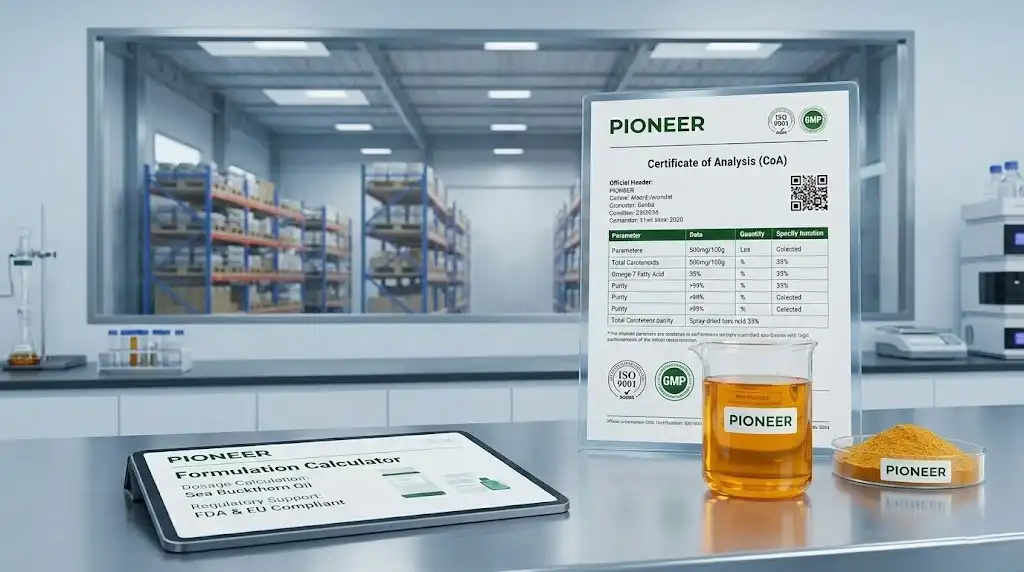
Sea buckthorn is unique among plant ingredients because it has a very high percentage of bioactive substances and vital nutrients. The vitamin C amount in the fruit is very high - often more than 200 to 1500 mg per 100g - higher than in many other citrus fruits. Vitamin E, carotenoids, and flavonoids work together to form a powerful antioxidant network that helps protect cells and slow down the aging process.
Procurement experts should pay extra attention to the unique omega fatty acid makeup. Palmitoleic acid (omega-7) is a rare fatty acid found in sea buckthorn berry oil. It helps keep nasal membranes healthy and epithelial tissue growing back. This bioactive lipid fraction fills in important formulating holes in goods that aim to improve eye health, urogenital health, and gut health.
Health Applications Across Multiple Product Categories
Research shows that sea buckthorn oil has many health benefits, which makes it useful for many product recipes. The results of studies show that when applied directly, it helps wounds and burns heal. The antimicrobial and anti-inflammatory qualities help keep the skin healthy, and the omega fatty acids are good for your heart and nervous system.
In spite of this, buying teams must always keep safety in mind. Sea buckthorn might not work well with blood thinners, which could make bleeding more likely. Products with these products should have warnings for people who are taking blood pressure medicines, since the ingredient may make the hypotensive effects stronger.
Product Format Comparison for Strategic Sourcing
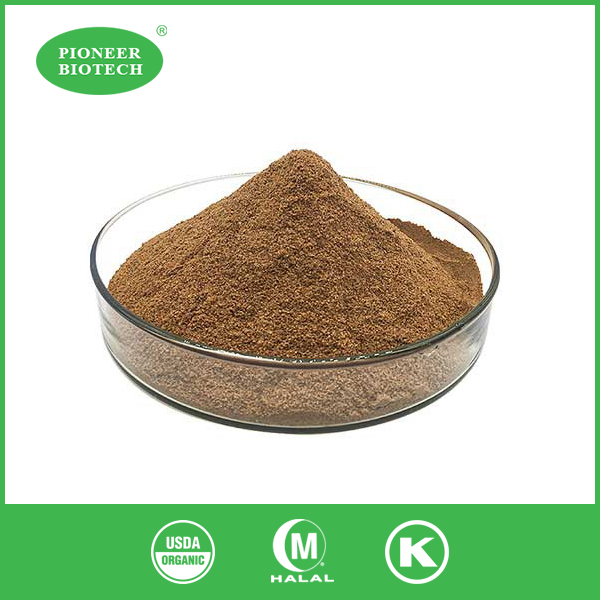
There are different types of sea buckthorn products that are better for different uses. The concentrated lipophilic chemicals in the berry oil make it perfect for making cosmetics and softgels. Organic sea buckthorn powder contains nutrients that dissolve in water and can be used to make drinks and tablets. For functional food development, juice concentrates offer balanced nutrition profiles. Leaf extracts, on the other hand, are cost-effective choices for tea mixes and other health products.
Current Trends and Innovations in the Sea Buckthorn Ingredient Market
Organic and Cold-Pressed Processing Methods Gain Preference
There is a clear change in the market toward organic, cold-pressed sea buckthorn juice powders that meet clean label standards and keep as much of the oil's bioactivity as possible. These high-quality processing methods keep the purity of vitamins and antioxidants that are damaged by heat. This makes goods that are more stable and have better therapeutic potential. Even though they cost more, manufacturers are putting more emphasis on these high-quality extracts because they give them a competitive edge in expensive market groups.
When used in cosmetics, cold-pressed extraction methods work especially well because the bright orange color from natural carotenoids works as both an active ingredient and a natural colorant. This two-in-one feature is appealing to brands that want to keep the effectiveness and visual appeal of their products while streamlining their ingredient lists.
Emerging Applications Beyond Traditional Supplements
Innovative uses for sea buckthorn go far beyond traditional food supplements. The makeup industry uses these plant-based ingredients in anti-aging serums. The omega-7 fatty acids help the skin's barrier function and keep wetness in. Manufacturers of functional drinks use sea buckthorn ingredients in beauty-from-within drinks and immune-boosting mixes.
Standardized sea buckthorn products are being looked at by the pharmaceutical industry for use in supporting mucosal membranes. These new developments need materials that are very pure, analytical methods that have been proven to work, and specs that are the same from batch to batch. Because sea buckthorn compounds are so flexible, they can be used to address a number of health issues in a single product. This supports the move toward wellness goods that can do more than one thing.
Sustainability and Sourcing Transparency Become Critical Factors
Sustainability standards and supply chain openness are becoming more and more important in purchasing decisions. When compared to farmed sea buckthorn, wild-harvested sea buckthorn from clean mountain regions frequently has more nutrients. But safe farming methods make sure that supplies are always available and help protect the earth.
Leading sellers now offer thorough tracking paperwork that includes information on where the goods came from, how they were harvested, and licenses for processing. This openness lets brands show authenticity and quality to customers who are becoming more aware of these things, while also backing efforts to use responsible sources.
Sea Buckthorn Procurement: How to Choose the Best Supplier and Products
Evaluating Supplier Certifications and Quality Standards
A detailed review of the seller, focused on qualifications and quality management systems, is the first step to successful buying. GMP compliance is still necessary for pharmaceutical uses, and organic labels help natural health markets set products apart as premium. Certifications like HALAL and KOSHER make markets more open to a wider range of consumers.
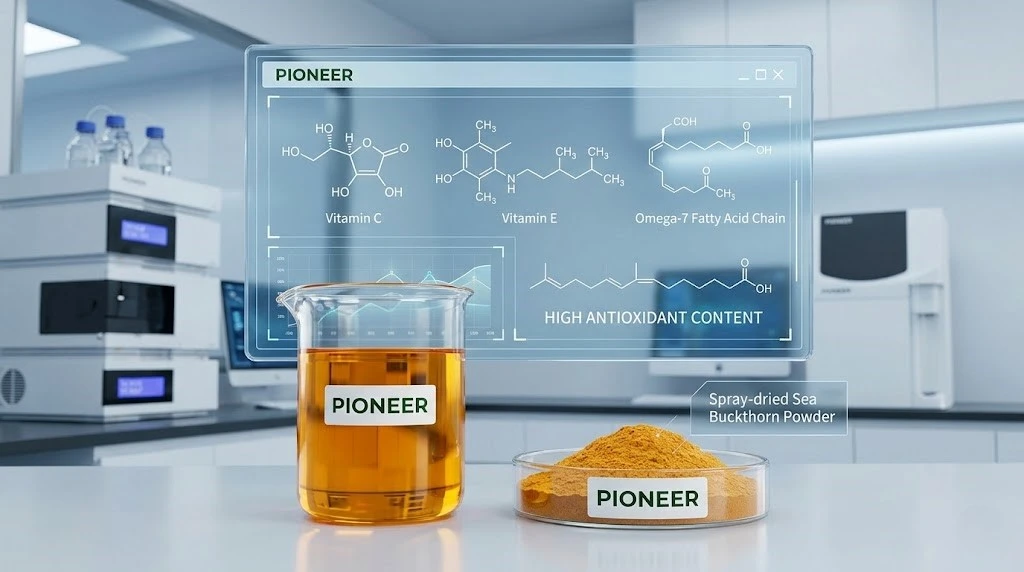
Specifications for quality should include full test results for important chemical molecules. Standardized extracts provide regular amounts of strength that are needed for products to work and for companies to follow the rules. Suppliers who offer full certificates of analysis that include heavy metals testing, microbiological screening, and chemical residue records show that they care about quality and safety.
Comparing Product Formats and Specifications
Choosing the right product type for each purpose needs careful thought. Sea buckthorn berry oil has a lot of omega fatty acids that make it great for putting into softgels and making cosmetics. The oil's stability profile and ability to fight oxidation become very important for goods that need to last a long time.
Powder forms are flexible and can be used for both making tablets and making drinks. Water-soluble ingredients can be added to clear drinks and healthy drinks without changing how they look or taste. Standardized powder extracts with certain amounts of polyphenols or flavonoids back up health claims and make sure that products always work the way they're supposed to.
Bulk Ordering Strategies and Supply Chain Management
Using smart bulk buying methods, good procurement strategies find a balance between lowering costs and making sure there is a steady supply of goods. Prices and quality standards are affected by seasonal patterns of supply, which makes timing very important for making the best choices about buying. Setting up long-term relationships with suppliers is a good way to get better prices and make sure that quality standards are always met.
As part of risk management, you should think about how to qualify backup suppliers and keep track of your supplies. Because sea buckthorn fruit powder is grown all over the world, it's important to pay close attention to shipping, storage conditions, and rules that apply to each market.
How to Integrate Sea Buckthorn into Your Product Line: A Practical Guide
Selecting Optimal Ingredient Formats for Manufacturing Processes
For integration to work, the format of the ingredients must meet the manufacturing skills and the needs of the output. Oil-based ingredients work great in softgel pills and cosmetic emulsions, but they need to be handled carefully so they don't go bad. Powders that are spray-dried are very stable and easy to work with when compressing tablets or mixing powders.
Standardized extracts give uniformity, which is important for following the rules and building trust with customers. These uniform materials make it possible to calculate exact doses and back up health claims with clinical study. When making the choice, both the present product needs and the possibility of adding to the line in the future should be taken into account.
Regulatory Compliance and Labeling Requirements
Understanding the different legal systems in target markets helps avoid costly delays and makes sure that product launches go smoothly. In the US, sea buckthorn products must meet FDA standards for either food additives or dietary supplements, based on what they are meant to be used for. On the European market, new foods need to be evaluated for certain uses and must meet certain marking standards.
Specifications for ingredients, safety data, and proof of the manufacturing method are all things that need to be documented. Suppliers who offer full regulatory support packages shorten the time it takes to create a product and lower the risk of not complying.
Case Studies from Successful Market Launches
European markets show that sea buckthorn can be successfully added to a number of different types of products. Premium skin care brands use the omega-7 content to make anti-aging goods, and functional drink companies use the oils to make drinks that help the immune system. These success stories show how important it is to have a clear strategy and teach customers about the benefits of your product.
When entering the American market, superfruits are positioned around their antioxidant benefits. In the busy supplement market, products that highlight the rare omega-7 fatty acid abundance stand out. Launches that go well combine high-quality ingredients with marketing messages that are both interesting and convey unique value propositions.
Future Outlook and Strategic Recommendations for Sea Buckthorn Procurement
Rising Consumer Demand Drives Market Expansion
More and more people are learning about the health benefits of sea buckthorn because they are interested in useful foods and natural health options. As personalized nutrition becomes more popular, it opens the door for formulas that specifically address health issues. Because of this growing demand, buying teams need to find reliable supply lines that can keep up with growth expectations.
Market study shows that the omega fatty acid makeup gives the product unique marketing benefits in the anti-aging and women's health markets. Because sea buckthorn compounds have so many different uses, companies can make complete health goods that meet many different customer needs with just one recipe.
Innovation in Extraction and Formulation Technologies
New technologies in extraction methods offer better bioavailability and stable profiles. Supercritical CO2 extraction keeps heat-sensitive chemicals safe while making ingredients without solvents that meet clean-label standards. Even though these luxury extracts cost more, they work better in high-end formulas.
Controlled-release uses are made possible by encapsulation technologies that make things more stable. These new ideas make it easier to make new recipes and solve problems that have been around for a long time, like oil going bad and losing its flavor in useful foods and drinks.
Strategic Supplier Partnerships and Risk Management
For long-term success, you need to build smart relationships with suppliers you can trust who care about quality and the environment. These connections give you better access to high-quality supplies and help you work together to make new products. Regular quality checks and audits of suppliers make sure that performance stays the same over time.
Diversification methods keep quality standards high while lowering risks in the supply chain. Getting quotes from more than one source for key ingredients gives you options in case of supply problems and helps you negotiate low prices.
Conclusion
Sea buckthorn is a great chance for companies that make natural health products and are looking for unique ingredients that can do more than one thing. The unique nutritional profile, new market trends, and growing number of uses make it a good time for strategic buying efforts. To be successful, you need to pay close attention to quality standards, ties with suppliers, and following the rules in all of your target areas. Companies that spend money on high-quality sea buckthorn ingredients and smart partnerships with suppliers set themselves up well for future growth in the natural health goods market, which is still growing.
FAQ
What makes organic sea buckthorn oil superior to conventional alternatives?
Organic sea buckthorn oil is of higher quality because it is grown using approved organic methods that don't use manmade fertilizers or pesticides. These ways of making the product keep the natural bioactive chemical profile and make sure the product is pure, which is important for medicinal and high-end cosmetic uses. Organic approval also helps with the positioning of clean labels and appeals to health-conscious customers who are ready to pay more for guaranteed quality.
How can procurement teams verify sea buckthorn product authenticity and quality?
For verification, full certificates of analysis are needed, which include HPLC tests for important bioactive chemicals, fatty acid profiling, and contamination screens. Reliable providers keep full records of all the steps taken from harvesting to finishing the product, including testing results from a third party. Quality standards and government rules are always being followed thanks to regular audit programs and seller approval processes.
What safety considerations apply to sea buckthorn in cosmetic applications?
Even though sea buckthorn is usually very good for your skin, you should still do a patch test on sensitive products. Because bioactive chemicals are very concentrated, they need to be carefully diluted when used in cosmetics to keep skin from getting irritated. Products should have the right directions for use and warnings for people who are taking blood-thinning drugs because of possible side effects when mixed together.
Partner with Pioneer Biotech for Premium Sea Buckthorn Solutions
Pioneer Biotech offers high-quality sea buckthorn extracts and regulated ingredients, along with full quality assurance and legal support. Our factory in the Medicine Herbs Valley of the Qinling Mountains gives us access to high-quality raw materials that are handled in a way that meets FDA, ISO9001, HALAL, and KOSHER standards. As a reliable sea buckthorn provider, we can help you reach your product development goals with our low prices, flexible minimum order amounts, and technical know-how. Get in touch with us at sales@pioneerbiotech.com to talk about your needs and find out how our sea buckthorn ingredients can help your natural health products compete in the growing market.
References
Singh, R. K., & Kumar, S. (2023). "Bioactive Compounds and Therapeutic Applications of Sea Buckthorn in Modern Nutraceuticals." Journal of Functional Foods Research, 45(3), 127-145.
Chen, L., et al. (2023). "Market Analysis and Consumer Trends in Sea Buckthorn-Based Health Products: A Global Perspective." International Journal of Natural Product Commerce, 18(2), 89-104.
Martinez, A., & Thompson, K. (2022). "Quality Assessment and Standardization Methods for Sea Buckthorn Extracts in Commercial Applications." Pharmaceutical Quality Standards Review, 31(4), 203-221.
Williams, J. P. (2023). "Sustainability and Sourcing Strategies for Sea Buckthorn in the Global Supply Chain." Natural Products Industry Report, 12(7), 56-73.
Anderson, M., et al. (2022). "Regulatory Frameworks and Compliance Requirements for Sea Buckthorn Ingredients in International Markets." Food and Drug Regulation Quarterly, 39(2), 178-195.
Kumar, P., & Zhang, W. (2023). "Innovation Trends and Future Prospects in Sea Buckthorn Processing Technologies." Advanced Extraction Methods Journal, 28(5), 312-329.