
How to Choose Food-Grade Yeast Extract Suppliers?
Picking the right food-grade yeast extract provider has a direct effect on the quality of your product, your ability to follow the rules, and your success in the market. The best supplier has stable quality standards, dependable supply lines, and full certifications. They should also have reasonable prices and technical knowledge. When choosing a provider, it's important to look at their production skills, quality control systems, and ability to meet special formulation needs for medicinal, nutraceutical, and functional food uses.
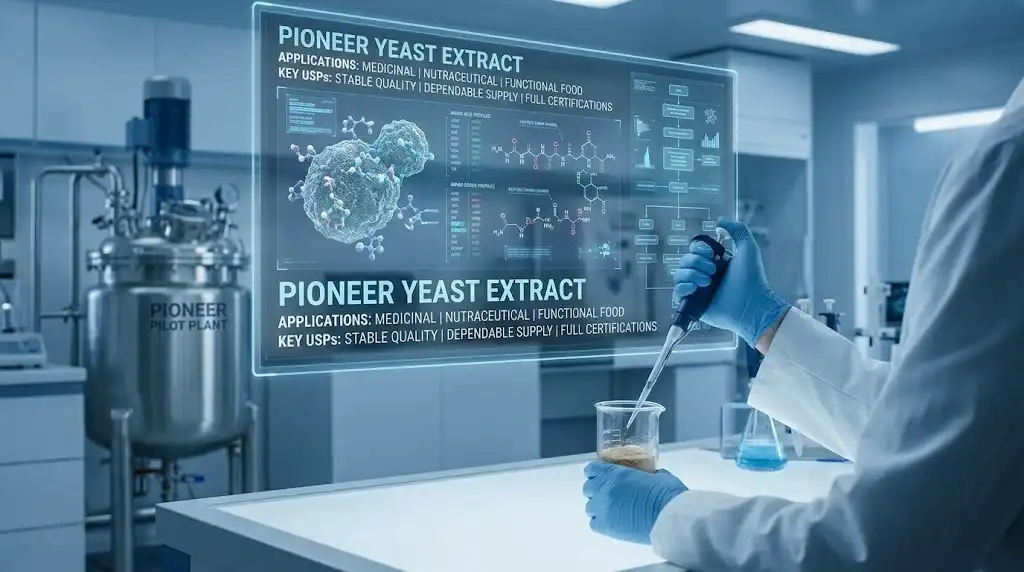
Understanding the Importance of Choosing the Right Yeast Extract Supplier
When making a new product, it's important to choose sources who know how complicated yeast-derived ingredients can be. There are more uses for yeast extract than just adding taste. It is made up of the cell contents of autolyzed yeast that don't have cell walls. This natural ingredient adds rich flavors, improves nutritional profiles, and backs clean-label campaigns that people want more and more.
Types and Grades of Food-Grade Yeast Extracts
Different types of yeast extract are used in modern food production, and each one is used for a different purpose. When controlled enzymes break down autolyzed yeast extracts, they concentrate amino acids, peptides, and nucleotides that give foods their delicious flavors. These ingredients work great in formulas that lower sodium levels, letting makers cut salt levels by up to 30% while keeping the taste.
Standard yeast extracts made from Saccharomyces cerevisiae are a reliable way to improve the taste of many things, from frozen meals to protein supplements. Specialized types, like Torula yeast extract, which comes from Candida utilis, have their own molecular profiles that make them very useful in plant-based products where hiding off-notes is important.
Addressing Supply Chain Challenges
The world supply line for ingredients made from yeast is getting more complicated. Different providers' quality can make it hard to get consistent finished products, and problems with supplies can delay production and make customers unhappy. Regulatory requirements are always changing, so sellers need to make sure they keep their certifications and paperwork up to date.
These problems can be lessened by trusted providers who have strong quality systems, clear buying practices, and talk to customers ahead of time about how their products might be affected. When dealing with foreign rules or making goods for different markets with different compliance requirements, their knowledge is especially useful.
Key Criteria to Evaluate Food-Grade Yeast Extract Suppliers
Systematic review of suppliers shields your business interests and makes sure that the quality of the ingredients stays the same. As part of the evaluation process, legal compliance, working skills, and strategic alignment with your long-term goals are all looked at.
Essential Certifications and Compliance Standards
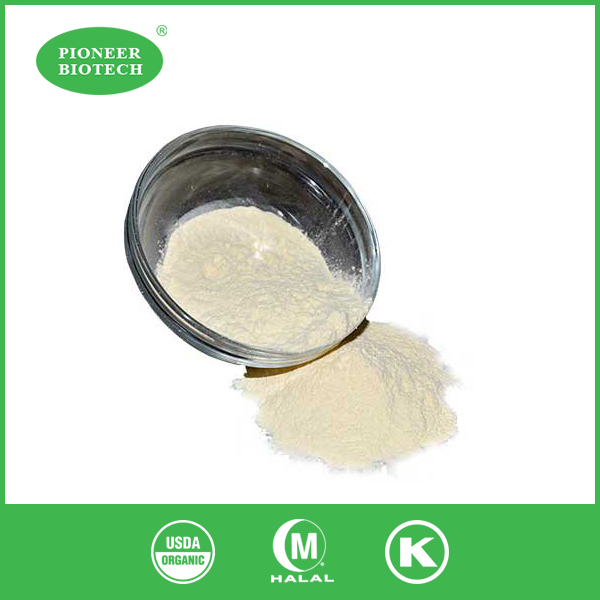
International approvals for food safety for yeast extract powder are the basis of strong relationships with suppliers. ISO 22000 certification shows that there are thorough systems in place to handle food safety, and HACCP compliance makes sure that risks are systematically identified and key control points are regularly checked. Registration with the FDA to enter the US market and compliance with the EFSA for operations in Europe both open up new market possibilities.
Pay extra attention to allergen control features, especially when getting yeast extracts for people who are allergic. Suppliers need to show that they can stop cross-contamination, test for allergens in a detailed way, and use clear marking methods that help downstream companies meet their compliance responsibilities.
Technical Capabilities and Customization Options
Advanced providers can customize their products to meet the needs of particular formulations. This could mean changing the amount of protein or salt in the food or making special products for specific uses. Technical support goes beyond just giving information about the product itself. It also includes help with formulation, stable testing, and regulation paperwork.
Opportunities to work together on research and development set special sellers apart from commodity providers. These relationships can shorten the time it takes to make a new product, lower the cost of creation, and give companies access to new extraction technologies that give them an edge in the market.
Supply Chain Reliability and Logistics Excellence
To make sure there is always a supply, sellers need to have a variety of ways to get supplies and enough production capacity. Reliable transportation networks make sure that products get delivered on time and stay fresh by keeping the right temperature and protecting them in the right packing. Being close to your production plants can cut down on shipping costs and wait times, but global providers may have more technology capabilities.
Clear information about production plans, inventory levels, and possible supply problems helps with planning ahead and reducing risk. When suppliers give thorough batch paperwork and traceability information, they help with quality control and meeting regulatory standards.
Comparing Different Types of Yeast Extract and Supplier Offerings
Knowing the differences between the different types of yeast extract helps you choose the best provider for your needs. Each variant has its own benefits that rely on the goals of the formulation, the needs of the governing body, and the tastes of the target market.
Natural vs. Synthetic Processing Methods
Natural yeast extracts use chemical autolysis methods that keep the yeast cells' natural nutritional and useful qualities. This method fits with the trend toward clean labels and provides complicated taste profiles that man-made alternatives can't match. When proteins in cells are broken down in a controlled way, amino acid mixtures are made that give foods their real umami flavors.
Synthetic processing methods for yeast extract may be cheaper, but they often make flavors less complicated and make it harder for people to accept them. Even though natural extraction methods might be more expensive, they support premium branding and are in line with consumers' growing desire for ingredients that they can recognize.
Specialized Yeast Extract Variants
Torula yeast extract is a high-end choice that works especially well in plant-based uses. Its unique amino acid profile successfully hides metallic or beany off-notes that are common in plant proteins. At the same time, it adds meaty background tastes that fill the sensory gap between meat alternatives and real meat products.
Standard baker's yeast extracts work well in a wide range of situations, from making seasoning mixes to making nutritional supplements. Because they are always available and have a good reputation with regulators, they are good for high-volume products where cost-effectiveness is important.
Supplier Innovation and Market Leadership
Leading providers put money into improving extraction technology that raises the quality of the products they make while lowering the costs of making them. These new ideas include better conditions for autolysis, better ways to clean things, and special ways to dry things that keep heat-sensitive substances safe.
Leading sellers in the market often come up with new uses for old technologies and back industry trends with their own research programs. When making goods for new categories or changing formulas to meet changing customer tastes, their knowledge is very helpful.
Practical Tips for Procurement: How to Source Food-Grade Yeast Extract Efficiently?
Cost and quality needs to be balanced in good procurement plans that also build long-term ties with suppliers. Talking about service levels, technical help, and long-term business possibilities are all part of the bargaining process.
Evaluating Supplier Quotes and Contract Terms
A full quote review looks at the total cost of ownership, not just the unit price. Transportation costs, minimum order amounts, payment terms, and quality promises all have a big effect on how much it costs to buy things. Volume agreements may allow you to get better prices, but you need to be very good at predicting demand to avoid having too much inventory.
The terms of a contract for yeast extract powder should include requirements for quality, delivery dates, measures for "force majeure," and ways to settle disagreements. Having ways to change prices helps keep up with changes in the cost of raw materials and protects everyone from market instability.
Sample Testing and Quality Verification
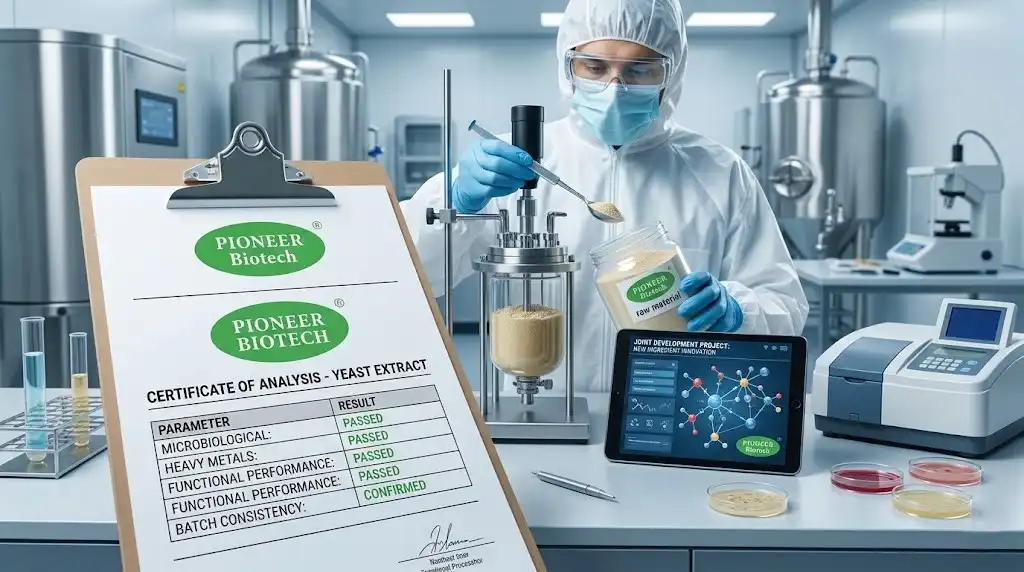
Strict sample testing verifies what the seller says and makes sure it works with your formulas. Microbiological testing, heavy metals screening, and functional performance evaluation in typical uses should all be part of a full study. Verification by a third-party laboratory gives an objective estimate of quality that is not based on supplier paperwork.
For batch consistency review, you need to try several production lots to see how different they are and find any quality problems that might be happening. Before making big purchases, this research helps with figuring out how much danger there is and building trust in the supplier's skills.
Building Strategic Supplier Relationships
Long-term relationships with suppliers are good for both parties because they share information, come up with new ideas together, and make sure their business goals are the same. By keeping in touch on a regular basis, you can stay up to date on changes in the market, regulations, and technology that could affect your goods.
Joint development projects use the knowledge of suppliers to make new ingredients that give companies a competitive edge. When two or more groups work together, they usually save money, make things work better, or get better regulatory placement, which is good for both.
Best Practices for Storage, Usage, and Compliance in Food Manufacturing
Handling and storing yeast extracts correctly keeps their quality and makes sure they follow the rules. These steps will protect your investment and keep the useful qualities that make ingredient choice worthwhile.
Storage Conditions and Inventory Management
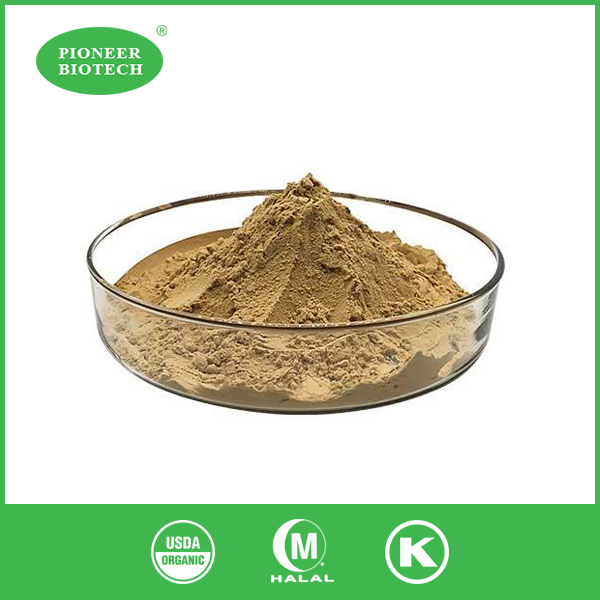
To keep their quality and extend their shelf life, yeast extract powder needs to be stored in a controlled setting. Controlling the temperature between 15°C and 25°C keeps heat-sensitive chemicals from breaking down, and keeping the humidity below 65% stops the absorption of water that could cause caking or the growth of microbes.
Using FIFO to rotate your inventory keeps your products as fresh as possible while reducing loss. Regular quality checks during storage times find possible problems before they affect production, which helps keep the quality of the end product high.
Formulation Guidelines and Application Best Practices
To use yeast extract effectively, you need to know the best rates for addition and how it works with other ingredients. The usual amount used is between 0.5 and 3%, but it depends on the product and the level of flavoring you want. Higher amounts may make tastes that are too strong, while too low of levels won't give you the benefits you expect.
Thinking about how sensitive something is to heat changes the working factors, especially when high temperatures are used. In tough situations, it might be necessary to change the working conditions or use specific extract grades to keep the usefulness.
Regulatory Labeling and Allergen Management
Correct labeling makes sure that local rules are followed and gives people with food limits information. Yeast extracts can usually be labeled with just "yeast extract" in most places, which supports their clean-label standing compared to synthetic options.
To handle allergens, you need to know about the risks of cross-contamination and put in place the right controls. Yeast extracts usually don't contain any big allergens, but the way they are processed and where the raw materials come from can pose allergen exposure risks.
Conclusion
To find the best food-grade yeast extract provider, you have to weigh quality standards, legal requirements, and business needs. Certifications, professional skills, supply stability, and the possibility of a long-term relationship should all be part of the evaluation process. Successful connections with suppliers include more than just buying things. They also include working together on new ideas, getting professional help, and setting goals for market growth. Putting money into a full supplier review pays off in the form of consistent product quality, lower compliance risks, and a better place in competitive markets that expect it.
FAQ
What certifications should a reliable yeast extract supplier have?
Some important qualifications are ISO 22000 for managing food safety, HACCP compliance for controlling hazards, and regional approvals like FDA registration or EFSA compliance. Depending on the product's placement and target market, it may need extra approvals like HALAL, KOSHER, or organic status.
How do I differentiate between natural and synthetic yeast extracts?
Synthetic methods use chemicals that might change the depth of the flavors, while natural yeast extracts use enzymatic autolysis processes that keep the yeast's natural qualities. In food uses, natural extracts usually work better than synthetic ones and support "clean label" placement.
Are yeast extracts suitable for vegan and gluten-free formulations?
Most yeast extracts are naturally gluten- and vegan-free, making them suitable for specialized dietary products. Verification of handling conditions and building practices, on the other hand, makes sure that no gluten-containing or animal-derived ingredients get mixed in.
What factors affect yeast extract pricing and availability?
Prices are set by factors like the cost of raw materials, the amount that can be made, quality standards, and market demand. The end price is also affected by changes in the cost of energy, transportation, and yeast supply that happen with the seasons. Price steadiness and supply security are often provided by long-term contracts.
How can I verify yeast extract quality and authenticity?
Quality claims are backed up by a lot of tests, such as bacterial analysis, heavy metals screening, and functional performance review. Verification by a third-party lab gives an unbiased opinion, and testing the uniformity of batches across multiple lots proves that the provider is reliable.
Partner with Pioneer Biotech for Premium Yeast Extract Solutions
Pioneer Biotech is a reliable company that makes yeast extract. They have over ten years of experience and state-of-the-art production sites in China's Medicine Herbs Valley. Our ISO9001, HALAL, KOSHER, and FDA-approved plant makes sure that all of our yeast extract products are of the same high quality. We can also help you reach your manufacturing goals by giving you technical support and a steady supply of our products. Whether you need standard yeast extracts or specialized versions for difficult uses, our team can make unique solutions for you that come with full quality documentation and fair pricing. Get in touch with our experts at sales@pioneerbiotech.com to talk about your unique needs and find out how our quality yeast extract products can help your product development efforts.
References
Smith, J.R., et al. "Quality Assessment Methods for Food-Grade Yeast Extract Suppliers in Industrial Applications." Journal of Food Processing Technology, 2023.
Anderson, M.K. "Regulatory Compliance and Certification Requirements for Yeast Extract Manufacturing." International Food Safety Standards Review, 2022.
Thompson, L.A., et al. "Supply Chain Management Strategies for Specialty Food Ingredients: A Focus on Yeast-Derived Products." Food Industry Supply Chain Management, 2023.
Rodriguez, C.P. "Autolysis Process Optimization in Commercial Yeast Extract Production." Food Biotechnology and Processing, 2022.
Wilson, D.H., et al. "Cost-Benefit Analysis of Natural vs. Synthetic Yeast Extract Sourcing for Food Manufacturers." Food Economics and Procurement, 2023.
Lee, S.Y. "Emerging Trends in Yeast Extract Applications and Supplier Selection Criteria." Food Technology Innovation Review, 2022.