

How Coconut Protein Powder Is Made: Processing and Quality Considerations
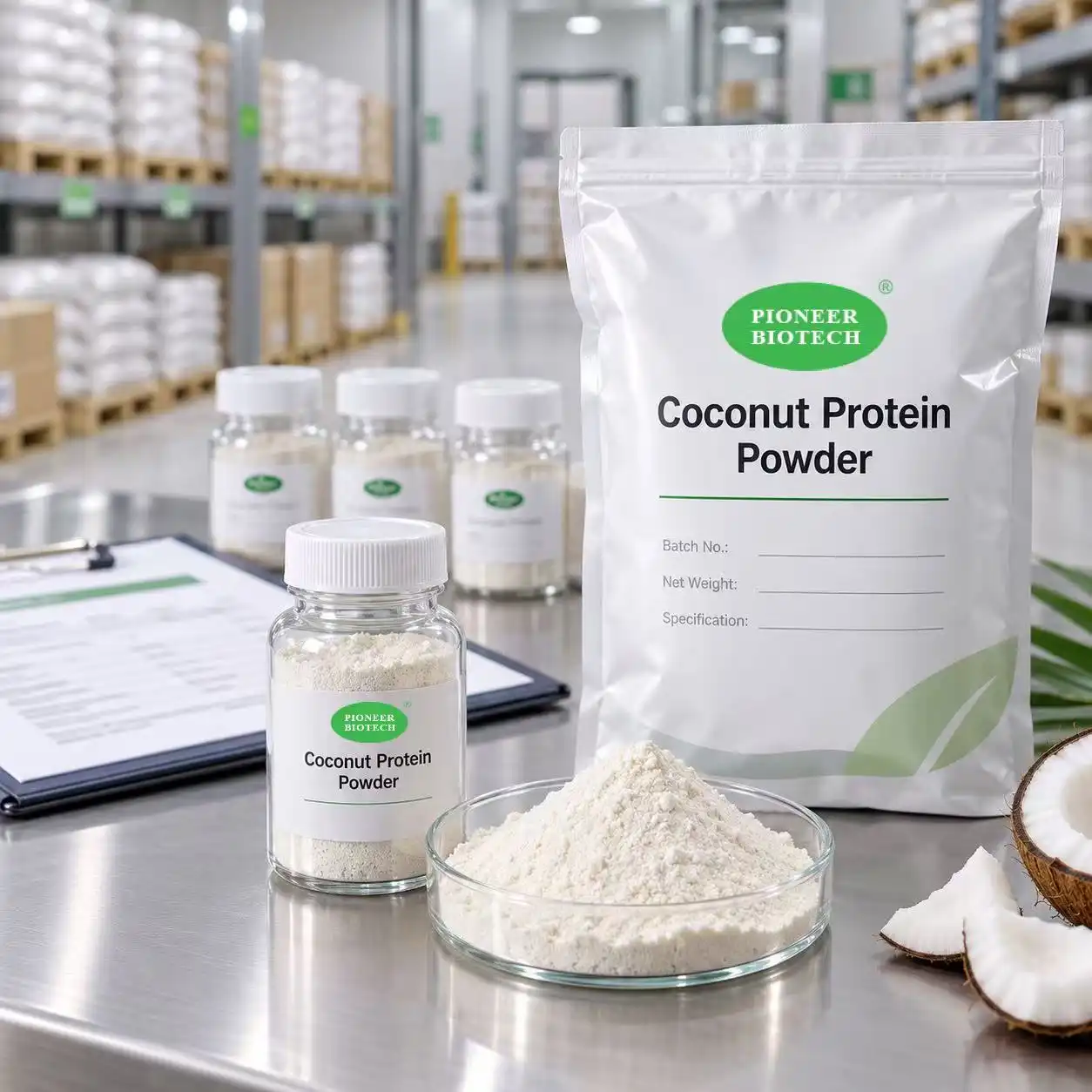
Understanding how coconut protein powder transforms from tropical fruit to premium nutritional ingredient is essential for B2B buyers in the nutraceutical and functional food industries. This plant-based protein is produced through careful extraction from defatted coconut kernel material, involving controlled drying, protein isolation, and standardized milling to achieve a clean, stable powder with consistent protein content—typically ranging from 18% to 30% depending on processing methods. The manufacturing journey prioritizes retention of essential amino acids while removing oils and fibers, delivering a versatile ingredient suitable for supplement formulations, functional beverages, and clean-label food products.
Understanding Coconut Protein Powder: Definition and Benefits
What Makes Coconut Protein Powder Unique
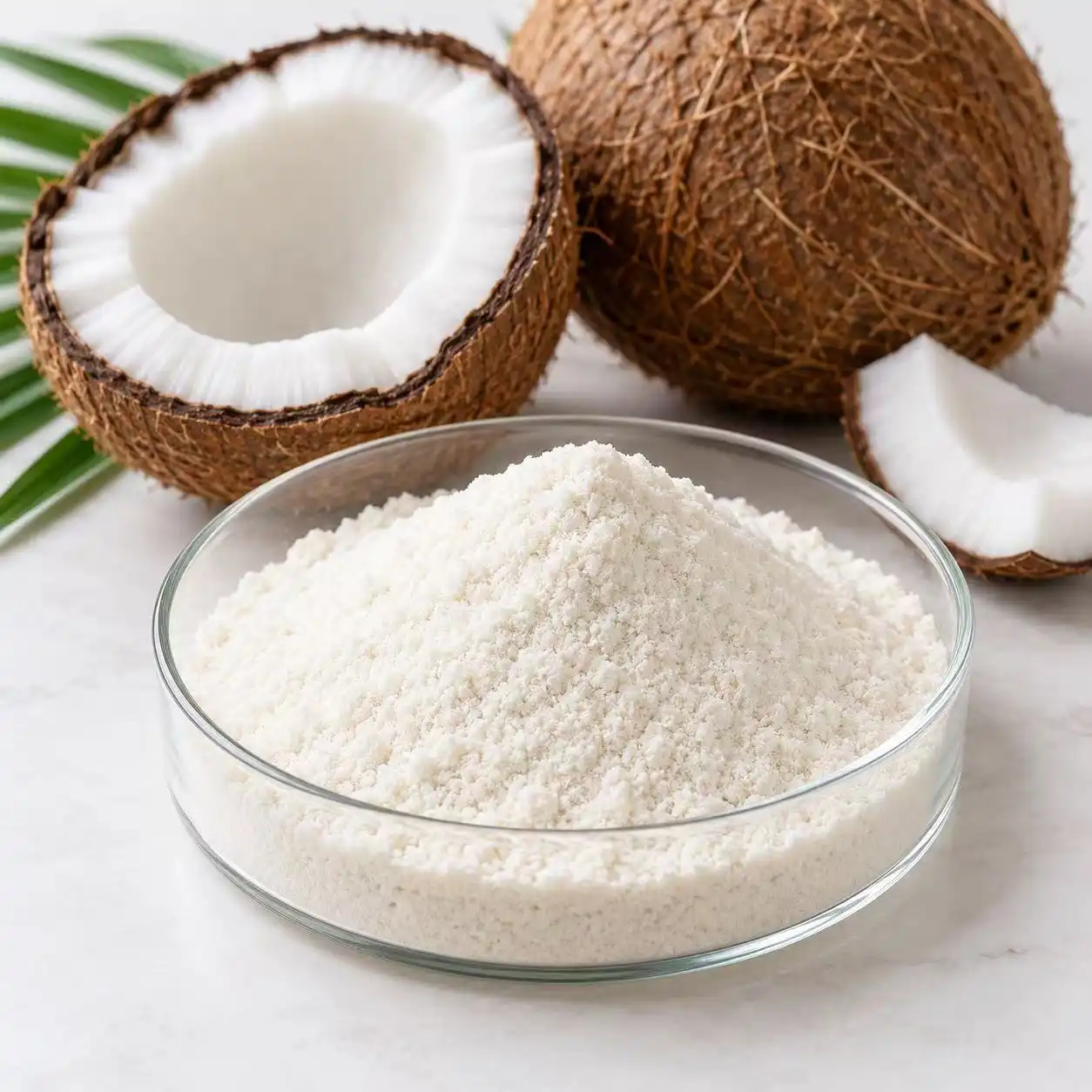
From the solid byproducts of the extraction of coconut milk or oil, a new type of plant-based protein called coconut protein powder has recently been developed. This product is different from whole coconut flour because it goes through extra steps to lower its fat and fiber content and raise its protein content. The defatted shell is used as a base. This gives people who make coconut goods a way to make them that is lower in calories and higher in protein. A 2018 study in the Journal of Food Science and Technology says that coconut protein isolates can get protein amounts above 60%² by using better ways to separate the proteins.
Nutritional Profile and Industrial Applications
People who work with other businesses will like this plant protein because it is healthy. Even though it has all the necessary amino acids, it still has a little less lysine than bean proteins. Medium-chain triglycerides are naturally present in small amounts in the powder. Depending on how well it was made, it has between 8 and 15% dietary fiber. Manufacturers like that it is safe because it doesn't have any of the top eight allergens in it. This helps with claims of clean labels and lines of products without allergens.
In a number of different businesses, formulators are adding this to their mixes:
- Nutraceutical supplement manufacturers use it in vegan protein blends because it is easy to dissolve and doesn't overpower other plants with its flavor.
- Functional beverage producers add water-soluble versions to plant-based milk alternatives and ready-to-drink health shots to make them more creamy and protein-rich.
- Sports nutrition brands mix it with pea and rice proteins to make full amino acid profiles that can be used in muscle recovery products for people on the keto or paleo diet.
This shows that the ingredient can be used in many business-to-business situations, from filling capsules to making mix for baking. Because of this, the market is turning toward plant-based foods that last longer and meet government standards as well as customer tastes.
The Coconut Protein Powder Production Process
Raw Material Selection and Sourcing Standards
The first step in making good products is to pick the coconut pieces with care. Supply chains that you can trust set up tracking systems for coconut protein powder that begin at the source and focus on fully grown coconuts (10 to 12 months old) that come from approved organic or conventional farms that keep good records of how they farm. You need to look for mold, make sure the material is dry (dried kernels shouldn't have more than 7% moisture), and do a basic microbiological test before you can take it. Where the food comes from has a big impact on how consistent it is. For instance, the Philippines, Indonesia, and India all have well-established supply lines that are based on yearly harvest patterns. Smart buyers use these trends to plan their purchases.
Food safety standards around the world are made sure to be met by methods that track food from the farm to the plant. We use batch coding at Pioneer Biotech to link each output lot to a specific crop region in our supply chain. This gives people in charge of quality assurance and regulations a full picture of the supply chain. It is very important to have this much information when you are putting up quality assurance agreements and auditing suppliers.
Extraction Techniques: Cold-Pressed Versus Heat-Processed Methods
In business, proteins are extracted in two main ways, and each changes the structure and function of the protein in its own way:
- Cold-Pressed Extraction: In this method, coconut oil is pressed mechanically at temperatures below 49°C (120°F). This keeps the native protein structures and protects compounds that are sensitive to heat. Because of this, the protein cake has more polyphenol antioxidants and can better absorb water, which is helpful for people who are making complex foods. The clean-label placement works with the cold-pressed method, but it takes longer to make and the end powder has a little less protein.
- Heat-Processed Extraction: The oil is sucked out after the copra is dried at temperatures between 60°C and 70°C. This method makes the process safer for microbes and increases output at the same time. If you heat some sensitive protein fractions, they change a little, but this method makes the particle sizes more even and the products more stable on the shelf. A study from 2020 in the field of food chemistry shows that using controlled heat to partially unfold proteins can make them easier to digest.
It depends on the goals which of these ways to use for making things. Buyers in the pharmaceutical industry who want to make sure that each batch is the same usually choose heat-processed types. On the other hand, beauty formulators who want to keep the bioactives usually choose cold-pressed types.
Protein Isolation and Drying Technologies
The protein-rich coconut cake goes through more steps to make it better after the oil is taken out. The stuff is broken up into pieces of the same size, and then it goes through one of several ways to separate them:
- Aqueous Extraction: The cake that has been ground is mixed with water that has a controlled pH level (usually between 8.5 and 10). This breaks down the proteins but not the fiber. Centrifugation is used to split the liquid protein layer. After that, the isoelectric point (pH 4-5) is set, which makes the proteins settle down. Protein levels hit 50–60% with this method, and any fat that is left over is successfully taken away.
- Enzymatic Processing: Food-grade proteases are used by some companies to break down the ties between fibers and proteins. This helps them make more protein and makes the peptide parts easier for the body to use. This method works really well for nutritional uses when fast uptake is important.
The most important and last step is to dry. Spray drying is the main way that things are made in factories. Protein slurry is broken up into tiny pieces and put into hot air tanks that are between 70°C and 90°C and 160°C to 180°C. Because the heat exposure is short (seconds), the proteins aren't damaged too much, and the moisture level drops quickly to below 5%, which is needed to keep microbes stable and the shelf life longer. It is very expensive and only used for pharmaceutical-grade ingredients or unique supplements. Freeze-drying is the best way to get high-quality goods that keep all of their nutrients.
While the food is being prepared, in-line quality control checks use the Kjeldahl or Dumas methods to find out how much protein it has, laser diffraction to see how the particles are sized, and loss-on-drying analysis to see how much water it has. Each batch of goods is checked to make sure it meets certain standards before it is packed.
Quality Considerations and Standards in Coconut Protein Powder
Protein Purity and Bioavailability Metrics
People who buy from other businesses need to look at more than just the amount of protein in coconut-based ingredients. Protein purity refers to the difference between total nitrogen and true protein nitrogen. You can tell the difference by looking at the amount of true protein nitrogen to total nitrogen. Official AOAC methods can be used to check that the purity of high-quality products is above 85%.
Bioavailability includes both how quickly amino acids are taken and how easily something is broken down. The Protein Digestibility-Corrected Amino Acid Score (PDCAAS) is the standard way to measure in the business world, but the Digestible Indispensable Amino Acid Score (DIAAS) method is more exact. Most good coconut protein powder variants have PDCAAS scores between 0.6 and 0.75. This is a good number for plant-based sources but not as good as soy isolates or animal proteins. Nutrition Research Reviews (2019) studies back up the idea that how something is processed has a big impact on how easily it is broken down. For instance, versions that have been properly prepared are 15-20% more bioavailable than raw preparations³.
Critical Certifications for Market Acceptance
Certifications are like quality gates that can't be broken when you buy from other companies. There are several third-party licenses that our factory has that meet the wants of different markets:
- Organic Certification (USDA, EU): This makes sure that the ingredients came from certified organic farms that didn't use GMOs or man-made poisons. Those making organic food and supplements need to pay attention to this.
- Gluten-Free Validation: Foods that are naturally gluten-free can get cross-contaminated in co-packing facilities. Because of this, allergen-sensitive uses need to be tested below 20 ppm and get official approval.
- Non-GMO Project Verified: Takes into account customer worries and legal requirements in places like the EU where GMO labels have a big impact on buying choices.
- Kosher and Halal Certification: With this approval, you can sell your goods in places that cater to certain dietary needs and in other countries where religious views affect their buying decisions.
- GMP Compliance (FDA registered, ISO 22000, HACCP): Demonstrates limits in the production process that meet standards for the pharmaceutical and nutraceutical businesses, which is critical for audited supply lines.
These approvals help buying teams lower their risks by making sure that the finished goods meet government standards and what the label says they are. People who work for Pioneer Biotech keep their licenses up to date and can be checked. This helps keep source relationships open and honest.
Raw Versus Processed: Quality Trade-Offs
The range between barely processed and highly refined types needs to be thought through strategically. Powder that has been lightly processed or not processed at all has higher amounts of naturally occurring enzymes, phenolic compounds, and dietary fiber (15–25%). This makes it a good choice for "clean label" marketing and whole-food supplement recipes. These types, on the other hand, don't last as long (12–18 months), have pieces that aren't all the same size, and may turn brown during storage because of enzymes.
A lot of cleaning is done to refined protein isolates to get protein levels above 60%, boring tastes, and better stability. It has less phytonutrient value and costs more to process, which is represented in the prices. If you pack it right, it will stay stable on the shelf for more than 24 months and be more consistent from batch to batch, which is important for pharmaceutical companies and contract manufacturers who work with controlled industries.
Allergen and Safety Labeling Compliance
Coconut is botanically a fruit but is treated as a tree nut by the FDA, requiring careful allergen labeling. Safety documentation should include allergen statements and third-party cross-contamination testing. Microbiological limits should include Total Plate Count below 10,000 CFU/g, absence of Salmonella and E. coli, and yeast and mold below 100 CFU/g. Heavy metals must meet applicable standards, with batch-specific Certificates of Analysis.
Coconut Protein Powder Versus Other Plant-Based Proteins: Procurement Insights
Nutritional and Functional Comparison
You can make smart choices about preparation if you know where you stand in the market for plant proteins. When compared to other popular choices, coconut protein powder has some things that make it stand out:
- Versus Pea Protein: It is better for a high-protein sports diet because pea protein isolates have higher protein amounts (80–85%) and better PDCAAS scores (0.89–0.93) than pea protein. However, coconut protein is hypoallergenic and has a tropical flavor that makes it stand out.
- Versus Soy Protein: Soy remains the best choice for plant-based sources with all nine amino acids and a PDCAAS score of 1. But brands must fix issues caused by the way people think about GMOs and phytoestrogens by choosing alternatives like coconut protein.
- Versus Rice Protein: Rice protein offers a boring taste and is hypoallergenic, but lacks the natural softness or medium-chain triglyceride content. Coconut protein often has more fiber (8–15% vs. 2–5%), backing up claims for digestive health and meal replacement satiety.
The approach is chosen based on the design goals. Bodybuilding supplements that want to get the most protein like pea or rice mixes. Ketogenic supplements, on the other hand, use coconut protein because it is good for you and doesn't make you gain weight. In order to make healthy mixes, vegan supplement makers often mix amino acid profiles from different plants that work well with each other.
Cost Factors and Supply Chain Considerations
Coconut protein pricing depends on raw material availability, processing complexity, and demand, typically costing more than pea or rice protein but less than specialty isolates. Bulk purchases can reduce costs, while Southeast Asian sourcing creates greater supply-chain risks. Strategic local inventory improves availability. With an 18–24-month shelf life, proper moisture- and oxygen-resistant packaging also supports efficient inventory planning and reduces waste.
How to Procure High-Quality Coconut Protein Powder: Tips for B2B Buyers
Supplier Verification and Certification Authentication
Supplier evaluation should verify certifications, technical capabilities, and manufacturing flexibility, not price alone. Buyers should validate current GMP, Organic, Halal, and Kosher certificates with issuing bodies and review registration and audit records. Certificates of Analysis should confirm testing methods and consistency, preferably through ISO 17025-certified laboratories. Flexible manufacturers can also customize protein concentration and particle size to meet product requirements.
Negotiating Bulk Orders and Long-Term Agreements
Strategic purchasing balances immediate needs with long-term cost savings and supply security. Bulk agreements can offer better pricing while protecting buyers through flexible minimum quantities, quality guarantees, delivery schedules, and transparent price adjustments linked to raw-material costs. Membership or scheduled-delivery programs can further support consistent supply, while contract manufacturers with stable production capacity are well suited to long-term purchasing arrangements.
Regulatory Compliance and Quality Assurance Protocols
Suppliers should demonstrate compliance with international regulations, including FDA 21 CFR Part 111 and applicable EU Novel Food requirements. Clear quality agreements should define responsibilities, issue handling, and shipment documentation, including Certificates of Analysis, allergen and GMO declarations, BSE/TSE certificates, and origin records. Electronic batch records, audit reports, and verified commercial-account systems further support traceability, compliance, and reliable B2B purchasing.
Conclusion
To make good coconut protein powder, you need to know a lot about how to do things, keep quality high, and make sure a lot of things can get to you. From picking the coconut kernels to separating the proteins and spray drying them, every step in the process changes how well the end item works, how stable it is, and how healthy it is. In business-to-business (B2B), buyers have to judge suppliers based on how valid their certifications are, how well they can process orders, and how dedicated they are to batch accuracy. When you do strategic buying, you don't just look at short-term costs. You also look at the reliability of the supply chain, the chance of long-term relationships, and your ability to support legal compliance. Coconut protein powder is a unique ingredient that can be used in a variety of nutritional, food, and skincare products because it is hypoallergenic and looks good on the label. This is especially true as the market for plant-based nutrition grows.
FAQ
1. What protein concentration should I specify for supplement formulations?
The amount of coconut protein powder you need will be determined by what you're going to do with it. Most standard powders have between 18 and 30% protein and can be used to make food and vitamin mixes. The best protein isolates for sports nutrition or high-protein supplements are those that have a concentration of 50 to 60%. Higher quantities are more cost-effective in recipes that need a lot of protein per serve but don't need a lot of bulk from things other than protein. While you're setting your specs, talk to your supplier about the different ways you can concentrate. A lot of companies can make protein ratios that are just right for certain uses.
2. How does the processing method affect final product quality?
The way something is processed has a big impact on how well it works and how stable it is on the shelf. It is said that cold-pressed types are of higher quality and have cleaner labels because they keep more of the nutrients and antioxidants that are damaged by heat. Items that have been heated up are better for you, last longer, and protect germs better every time. How the final powder is made (spraying it dry) changes how it dissolves and how it can be put back together. People who are buying shouldn't think that one processing method is always better. Instead, they should choose a processing method that fits the needs of the program. Ask for samples made in different ways before you place a large order so that you can compare the formulas.
3. What documentation should suppliers provide with each shipment?
Having all the paperwork for a shipment protects quality control standards and legal requirements. Standard packages come with a Certificate of Analysis that is unique to the batch and shows the fat and protein content, as well as the results of microbiological tests and heavy metal screens. Among other things, the paperwork should have allergen statements, GMO status, country-of-origin papers, and copies of any relevant certifications (Organic, Kosher, Halal). If you want to use it for medicine, you should ask for more details, like stability data, leftover solvent analysis, and pesticide screening results. Make sure that any deals you make to buy something are clear about what paperwork is needed so there are no delays or compliance gaps.
Partner With a Trusted Coconut Protein Powder Manufacturer
To find good plant-based ingredients, you should only buy coconut protein powder from companies that have a history of making good products. Since 2012, Pioneer Biotech has been a leader in plant products and active chemicals. We have a great place to do business in the Medicine Herbs Valley of the Qinling Mountains. The highest standards in the business are met by our coconut protein powder, which has been fully certified by the FDA, HACCP ISO22000, the USDA as organic, and Kosher as halal. Items that are ready to ship are kept in local stores so they can be sent quickly and safely. Our technical team can also help you with formulation problems so you can reach your product development goals. You can choose how much of a product you want to buy, see clear proof of quality, and feel safe working with a trustworthy company that lets you inspect the plant and gives you free samples to test. You can email our team at sales@pioneerbiotech.com to tell us about your special needs and get full product specs that are made to fit those needs.
References
1. Journal of Food Science and Technology. (2018). "Functional properties of coconut protein isolates."
2. Food Chemistry. (2020). "Impact of thermal processing on plant protein digestibility and functional characteristics."
3. Nutrition Research Reviews. (2019). "Bioavailability and digestibility assessment methods for plant-based proteins."
4. Food and Agriculture Organization. (2021). "Coconut production and processing standards."
5. Journal of Agricultural and Food Chemistry. (2019). "Comparative analysis of plant protein extraction methods."
6. International Journal of Food Sciences and Nutrition. (2020). "Quality parameters for plant-based protein ingredients in functional foods."