
Glycolic Acid, Explained: Everything You Need To Know
Glycolic acid powder, an alpha-hydroxy acid (AHA) with unmatched versatility in cosmetic, pharmaceutical, and industrial applications, is a disruptive raw material in the manufacturing of B2B products. The high-purity anhydrous powder (CAS 79-14-1) avoids inefficiencies in transportation, enables the formulation of waterless products, and assures concentration for formulations sensitive to quality, unlike liquid formulations with 30% water weight. This book offers a complete resource for procurement, R&D, and OEM partners to obtain, develop, and unlock the economic potential of pharmaceutical-grade glycolic acid powder.


What is glycolic acid powder? A Complete Overview
Chemical Identity and Structural Advantages
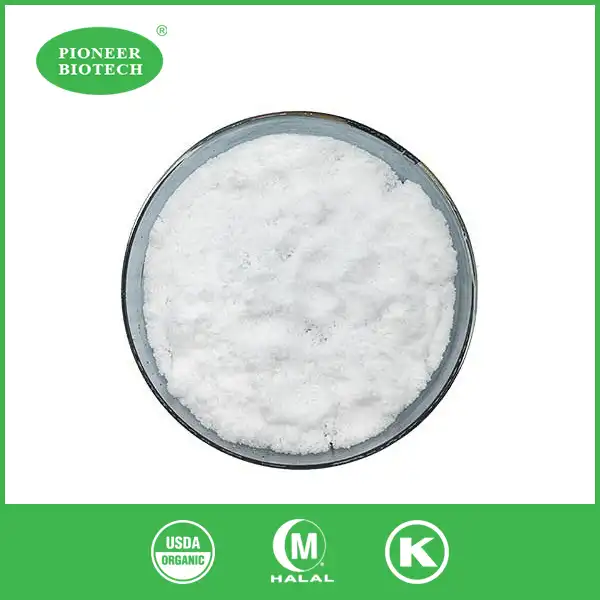
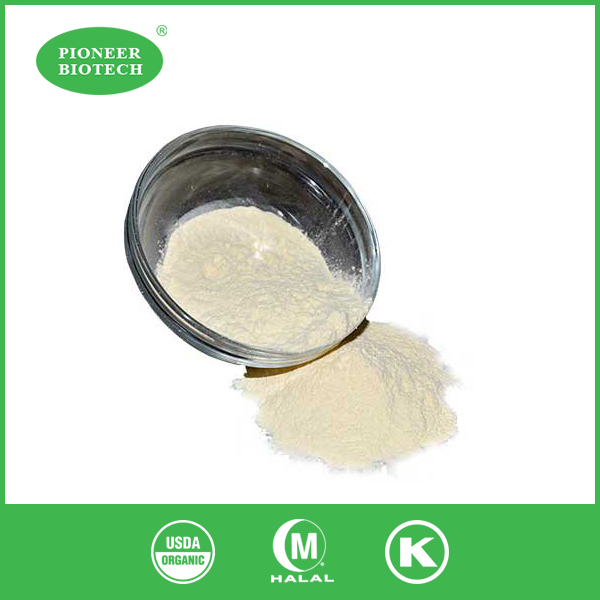
Hydroxyacetic acid is the smallest of the alpha-hydroxy acids. Molecular formula of it is C2H4O3 and molecular weight is 76.05 g/mol. Due to its small molecular size, glycolic acid can interact effectively with skin surfaces and provide chelating properties in industrial formulations. Our white crystalline powder is >99% pure, whereas typical solutions in water are just 70% active ingredient. It includes two functional groups, a hydroxyl (-OH) and a carboxyl (-COOH). Such groups may be used to chelate metal ions for cleaning and to disrupt cell connections in keratolytic formulations.
The anhydrous powder format helps reduce moisture-related stability challenges during formulation and storage. When it comes to making solid serums, fizzing tablets, or powder-to-foam systems, liquid glycolic comes with moisture and activates and degrades too fast. Unless you purposely dissolve it, crystalline powder is worthless. Will last 24 months with appropriate storage (cold, dry, tight lid).
Differentiating Powder from Liquid and Peel Formats
Product developers typically worry about format choice. Liquid glycolic acid can be used in ready-to-use products, such as toners. The water content of the liquid glycolic acid makes it difficult to concentrate and increases transportation costs by 40-60%. Serum formats are convenient for the customer but limit the maker to specific concentrations. Professional peel treatments are acidic and need to be treated with caution.
The powder form solves these concerns. Formulators employ one high-purity source to get concentrations from 5% for daily exfoliants to 70% for professional treatments. The material is readily soluble in propylene glycol, ethoxydiglycol or water at 70-80°C. Works nicely with waterless emulsions or bases Powder is ideal for contract manufacturers who manufacture many private-label goods.
pH and Concentration: Critical Formulation Parameters
Safety and effectiveness need pH precision. Glycolic acid powder has a pKa of 3.83, which means that undissociated acid will be able to penetrate the stratum corneum painlessly at pH levels between 4.5 and 5.5. Glycolic acid powder with a pH less than 4.0 increases the chance of erythema, and ionized salt leads to limited absorption above pH 6.0. Buyers should check suppliers’ Certificates of Analysis (COA) to make sure the glycolic acid powder is pure and contains no leftover acids that could impact buffering capacity.
Application range depends on concentration. Daily cosmetics include 5-10% of glycolic acid, drugs for acne treatment – 10-15%, and operations in dermatological offices under a doctor’s supervision – 20-70%. Powder doses prevent costly batch failures caused by concentration drift, which is common with liquid concentrates of varying purities.
Cosmetic Grade Versus Pharmaceutical Grade Specifications
Choosing the right grade helps follow the rules. Cosmetic-grade items are INCI-named and are safe for the skin. Pharmaceutical-grade powder must be subject to severe constraints, such as heavy metals ≤10 ppm (lead <3 ppm, arsenic <2 ppm), microbiological controls (total plate count <1000 cfu/g), and pharmacopeial-based testing procedures. If you are an OTC manufacturer needing to meet FDA, EU cosmetic or pharmaceutical active ingredient (API) regulations, you need to use a GMP certified facility with batch documentation to support your regulatory applications.
Benefits and Applications of Glycolic Acid Powder for Skin and Industry
Mechanism of Skin Exfoliation and Cellular Renewal
Its molecular radius is small (76.05 g/mol vs. 90.08 g/mol for lactic acid) therefore it may penetrate the stratum corneum quickly. Inside, glycolic acid destroys calcium-dependent desmoglein connections that hold corneocytes together. This reduces the usual skin shedding period from 28–45 days to 14–21 days. This keratolytic action creates new cells, enhances dermal fibroblast activity, thickens the dermis and collagen formation. Clinical trials reveal that 10-15% formulations alleviate indications of photoaging, such as fine lines, hyperpigmentation, and rough skin, after 12 weeks.
Glycolic acid exfoliates skin and inhibits tyrosinase, accelerating melanosome degradation. Cosmetic companies targeting hyperpigmentation like this dual-action actives, as it exfoliates and brightens better than single-mechanism actives.
Comparative Performance Against Other AHAs and BHAs
Lactic acid (90.08 g/mol) is gentler on sensitive skin than glycolic acid but takes 15–20% longer. Mandelic acid (152.15 g/mol) has a big aromatic structure that penetrates slowly, which is good for rosacea patients but limits clinical benefits. Salicylic acid (BHA) acts best in sebaceous follicles, which are fat-rich. This is effective for acne, but not for smoothing the face.
Glycolic acid is the gold standard for anti-aging and resurfacing owing to its small size, water solubility and high acidity (pKa 3.83 vs. 3.86). Glycolic is often used with actives like salicylic acid for acne-prone, aging skin, or hyaluronic acid for hydration and exfoliation.
Formulation Stability and Safety Considerations
Anhydrous powders are more stable than acids in solution. They don’t oxidize therefore they’re good for manufacturing and shipment. The powder can be dissolved in oil or a suitable co-solvent prior to addition to emulsions. This avoids shock precipitation and the result is not gritty.
Safety standards require the pH to be measured after preparation. Buffers of sodium hydroxide or triethanolamine maintain the free acid at the desired level and adjust the pH to the desired level. The ICH stability testing at 40°C/75% RH for 6 months offers key information for regulatory filings and commercial launch timelines and confirms the purity of the formulation.
Industrial and Pharmaceutical Applications Beyond Cosmetics
Pharmaceutical companies use high-purity glycolic acid powder as an excipient and as a precursor to APIs. The chelating activity of it stabilizes drugs by removing trace metals that catalyze breakdown. It is an active agent (for acne vulgaris and keratosis pilaris) and a penetration enhancer in topical medical formulations.
Industry relies on glycolic acid to remove scale. Glycolic acid can only break down the oxidation layers and produce protective compounds, so electronics manufacturers can clean copper PCBs without damaging the base. Dairy processors use pharmaceutical-grade powder for CIP systems to protect food contact surfaces. Powder removes mineral deposits from heat exchangers more effectively than aggressive mineral acids that generate metallurgical rust. Textile businesses use this for fine tuning the pH of the dye solution for better color retention. Volatile organic acids evolve gasses during processing.
OEM manufacturers are increasingly looking for glycolic acid in microencapsulated powders for slow-release exfoliation, in solid sticks for specific uses, and in biodegradable cleaning pods for institutional markets. The powder format allows for rapid prototyping without changing the formula from liquid bases, speeding up product development.
Glycolic Acid Powder vs Alternative Solutions: Making an Informed Choice
Powder vs Liquid: Application Scenario Analysis
Liquid glycolic acid lends itself well to continuous processing, with automated dosing systems that dispense water-based solutions directly onto the production lines. And some companies that fortify beverages or make a lot of liquid cosmetics may prefer liquids to solids to avoid breakdown. However, logistical analysis showed that glycolic acid powder has lower overall costs. Solid substance shipping costs 50–65% less in freight charges than liquid active ingredient transfer. Powder is easier to handle and is inexpensive and regulators can easily enforce it since it has no hazardous material categories.
"Powder's easier to store. Liquid formulas need anti-rust tanks and temperature-controlled storage. Powder under normal storage circumstances is dry and saves 70% warehouse space per kg of active material. Powder has a 24 month shelf life versus 12-18 months for liquid, which means less waste from expired products and easier supply chain planning for multi-location inventory managers.
Comparison with Lactic, Salicylic, and Mandelic Acids
Market positioning is support for the audience and claim. “Sensitive skin” individuals will use goods for a long period to notice benefits, therefore lactic acid appeals to them. Mandelic acid is pricey since it is used to treat a limited population of acne and rosacea individuals with differing tolerances. Most acne treatments include salicylic acid, in low amounts (2% in over-the-counter drugs and higher with a prescription).
Glycolic acid is the most popular anti-age ingredient and the biggest cash generator for cosmetics. Because it’s been around a long time, and the consumers know it. Mainstream companies employ glycolic acid; niche players use different AHAs. The acid you use depends on how you want to position the brand: use glycolic acids when you want to make fact-based claims about effectiveness and use other acids when you want to highlight sensory or tolerance distinctions.
Selecting Appropriate Grade and Purity for Specialized Requirements
Purity requirements are driven by end-use legal guidelines. Dietary supplements used by mouth must be food-grade, with rigorous limitations on heavy metals and microbes. Cosmetics may employ labels complying to INCI. Check impurity profiles for medicinal use according to USP/EP standard.
Buyers should check the testing techniques. UV spectroscopy may overlook contaminants that seem identical. HPLC analysis can be more precise in terms of purity . Certificates of Analysis should include test standards (USP <621>, EP 2.2.25), batch-specific information on sulfated ash, residual solvents (ethanol, acetone <5000 ppm), and drying loss (<0.5%). Honest providers give samples before shipment and enable third party testing to lessen the risk of purchasing.
Procurement Guide: Buying Glycolic Acid Powder in Bulk for B2B Clients
Critical Factors: Purity, Certifications, and Compliance
Successful bulk procurement begins with the specification. Specifications are non-negotiable. Pharmaceutical and nutraceutical customers need GMP-certified production facilities, including batch records, stability data, and change control systems. Cosmetic formulators strive for uniformity (coefficient of variation <3% across batches) to obtain repeatable product performance.
Seller expertise is shown by certification files. ISO9001 is an indication of a developed quality control system. ISO22000 and HACCP confirm the integration of the food safety procedures. If your app is eaten or touched by food, you need this. Synthetic acids are rarely USDA or EU Organic certified, but when the marketing claim is “bio-based”, and it is backed by a plant-based feedstock, they do demonstrate supply chain honesty. Kosher and Halal licenses are a way to reach out to Middle Eastern and religious clientele who are often disregarded.
Regulatory compliance is more than just licenses. Suppliers are required to provide GHS compliant SDS, allergy declarations (including non-allergenic products proving facilities controls) and “Non-GMO” papers. The market wants these, and not because they are technically possible, even though synthetic production pathways are used.
Pricing Dynamics and Cost-Quality Optimization
Market pricing includes quality and licensing fees. For industrial cleaning the technical grade material is cheaper, 95 to 98% pure. Extra is of cosmetic quality (98-99%). The most expensive is pharmaceutical grade (≥ 99% with full analytical validation). If you need high purity formulation, do not use the cheapest supplier - reformulation expenses and brand reputation risks are more than the real savings.
Tiered pricing for volume contracts. You sign a contract for the year, with delivery each quarter; you get better pricing than you do when you buy on the spot, and you can keep an eye on what your supplier is creating. Negotiating Payment Terms: Balancing Cash Flow and Supplier Risk. Letter of credit for new connections and net terms after confidence is developed.
The total cost of ownership research has hidden expenses. Processing low-cost materials with numerous impurities is more expensive (e.g., adding filters or pH adjustment chemicals). When the quality varies, batches are rejected, production is stopped and consumers complain. Good suppliers could be more expensive, but they are reliable, and you will save money by avoiding operational problems and protecting your brand.
Evaluating Global Suppliers and Quality Assurance
Geographical sourcing takes cost, wait time and risk into account. Chinese manufacturers can make the most at cheap prices and huge quantities. European retailers say their goods are subject to tight environmental restrictions. North American manufacturers are close to US corporations, which reduces shipping time, geopolitical risk and import processes.
Whenever possible, supplier assessments should include facility visits. Virtual plant tours have expanded since the outbreak. They check the cleanliness of production, maintenance of equipment, and training of personnel. Request a list of references from past clients and privately ask them about delivery reliability, speed of communication and how they handle complaints.
Even from recognized vendors, material testing is the first step in quality control verification. Quarantine rules keep unregulated stuff out of manufacturing. Third-party laboratory independent of customer or supplier. Use statistical process control to monitor purity, moisture content, and dissolution of multiple shipments and identify supplier process drift before it impacts your goods.
Best Practices for Initiating Inquiries and Partnership Development
RFQs that work accelerate review. Specify technical specifications such as permissible impurities, purity, packaging (fiber drums vs. polyethylene-lined), and delivery date. Please provide estimated yearly volumes. This lets suppliers gauge whether they can produce the goods and at competitive prices. In first meetings ask for computer help. Partners, not just sellers. Experts in formulation, regulatory paperwork, and unique packaging. The greatest time to have long-term OEM partnerships is when suppliers know your product roadmap and fix problems as they come up. Pilot Sales safeguard new supplier relationships. Begin by procuring modest quantities of glycolic acid powder to evaluate the supply chain and formulation before committing to a yearly contract. If the pilots go well, the corporation should quickly scale up commitments to reward suppliers and lock in attractive terms before capacity problems set in.

Safety, Side Effects, and Best Practices for Using Glycolic Acid Powder
Common Side Effects and Safety Misconceptions
Managed keratolysis produces harmless transient redness, tingling and dryness. Consumer education helps them discern between typical adjustment periods (two to four weeks to acquire tolerance) and product-stopping sensitivity responses. Too frequent or harsh exfoliation may lead to lasting redness, skin damage, and increased stress sensitivity.
There is a myth that glycolic acid will 'thin' the skin, that it will make it fragile. Clinicians explain that the stratum corneum thins briefly to exfoliate, but with long-term usage the viable epidermis thickens and dermal collagen grows. Proper formulation of concentration and pH prevents barrier breakdown and enhances structure.
We need to clear up the photosensitivity issues. Glycolic acid does not increase skin sensitivity to UV radiation, however the stratum corneum is less protective on the exfoliated skin. Formulations should recommend wide spectrum sunscreens and after professional treatments, sun avoidance must be practiced (minimum SPF 30 daily for 7–14 days).
Recommended Formulation Concentrations and pH Guidelines
For maximum efficacy and tolerability, consumer products should include 5–10% glycolic acid at pH 4.5–5.0. For the more experienced user with a tolerance, weekly intensive treatments can be as high as 15-20% at a pH of 3.8-4.2. Professional office treatments employ 20-70% solution at pH 2.0-3.0, requiring acid neutralization and monitoring.
It calculates buffer capacity to ensure pH stability for the life of the product. Buffer systems should be chosen by formulators to maintain pH within ±0.3 units regardless of temperature fluctuations and packaging interactions. Testing for pH consistency in accelerated aging stability testing. This eliminates pH drift as an unanticipated irritant.
Industrial mixtures vary in their safety standards. Cleaning products can have 10-30% glycolic acid at lower pH levels, so safety rules include how to avoid skin contact and breakdown. MSDSs contain spill handling, ventilation, and first aid to make your workplace safe.
Practical Exfoliation Protocols for Safe Consumer Use
Introduction protocols reduce adverse effects. Directions: Use every other day for 2 weeks & then as tolerated daily. Patch testing on the wrist 24–48 hours before application to the face identifies more sensitive patients.
Combination restrictions prevent over-exfoliation. Not appropriate to use glycolic acid with retinoids or other AHAs/BHAs, or with physical scrubbing without adequate time to recover (every other night or one at a time while monitored). Brands need to offer clear instructions, since customer misuse of a brand’s goods leads to unfavorable reviews and complaints.
Professional treatment options need considerable client consultation. Avoid if active infections, recent facial surgery, using isotretinoin within 6 months or making fraudulent sun-avoidance claims. The use of lower-concentration glycolic products 4-6 weeks before a deep surgery will lessen the chances of a serious response. We recommend gentle cleansers, barrier repair moisturizers and complete sun protection post-treatment.
Conclusion
B2B companies require pharmaceutical-grade glycolic acid powder that is creative, high-quality, and efficient. The crystalline anhydrous form has unique benefits, including less weight and transport costs, the potential to produce a wide range of anhydrous products, and precise control for batch consistency. Do a good purchase by looking into purity requirements, certification documents and vendor quality standards. Don't simply look at the unit price. Think total cost of ownership. Its special molecular features and considerable clinical proof make it perfect for anti-aging cosmetics, prescription skincare and industrial cleaning. Strategic alliances with established suppliers provide secure supply chains, help with regulations and the chance to work on innovative products, giving companies an edge.
FAQ
1. What distinguishes powder from liquid glycolic acid in practical applications?
In real life, what makes glycolic acid powder different from liquid glycolic acid? The powder form has more than 99% of the active ingredient, while liquids usually only have 70%. This means that there is no water weight, which lowers freight costs by 40 to 60%. Because it is dry, it can be made into new types of products, like solid sticks, waterless serums, and fizzing tablets, which would not be possible with liquid forms because they activate too quickly. Powder lasts longer on the shelf (24 months vs. 12 to 18 months) and lets you precisely control the concentration, which is very important in pharmaceutical and cosmetic applications where formulation accuracy affects safety and compliance with regulations. Powder works best in flexible production settings that make a wide range of products, while liquid works best in high-volume automated systems that can directly integrate water.
2. How should I select purity grades for different product applications?
Technical grade (95–98%) is used for cleaning in factories where small amounts of dirt don't affect how well the cleaner works. Cosmetic-grade (98–99%) meets regulatory standards for topical skin care, and the paperwork is in line with INCI standards. Pharmaceutical-grade (≥99% with validated analytical methods) is needed for APIs regulated by the FDA, over-the-counter drugs, and to meet the requirements of the European Pharmacopoeia. End-use regulations determine the choice. Check that the supplier's COAs list the testing methods (HPLC is better than UV) and include impurity profiles for each batch. Higher purity stops discoloration, itching, and formulation instability, which makes the higher costs worth it by lowering the need for processing later on and protecting the brand.
3. What storage and shipping best practices preserve material quality?
Keep in cool, dry places below 25°C in HDPE drums with polyethylene lids that are sealed and won't let water in. Being exposed to humidity causes clumping and premature breakdown, which makes it harder for things to move. Shipping doesn't need a cold chain like many other activities do, which makes transportation simpler. But for foreign transfers, make sure that the right hazmat classification rules (Corrosive Class 8, UN3261) are followed. Use date-code tracking and first-in, first-out inventory rotation. Keep the material in quarantine until it can be tested in-house before it can be used in production. Make sure it looks white and solid, that it has a moisture content of less than 0.5%, and that its pH is a 5% watery solution. With the right care, the product will stay effective for 24 months, so you can get the most out of your purchase.
Partner with Pioneer Biotech for Premium Glycolic Acid Powder Supply
Shaanxi Pioneer Biotech Co., Ltd. sells pharmaceutical-grade glycolic acid powder that solves important B2B manufacturing problems by getting rid of wasteful water-weight operations, letting you precisely control formulations, and making sure that every batch is consistent with GMP standards. Our 99% pure crystalline material (CAS 79-14-1) comes with all the paperwork you need for cosmetic, pharmaceutical, and industrial uses. It has ISO9001, ISO22000, HACCP, Kosher, Halal, and FDA registration, as well as ISO22000, HACCP, and Kosher certificates. Since 2012, we've been making glycolic acid powder and keep it in stock in regional warehouses so that we can send it quickly. We also offer free samples so that you can try them out before you buy them, and our formulation experts are available 24/7 for technical support. Procurement managers like our variable MOQs, clear COA specs, and team-based approach to meeting custom concentration needs. You can email our team at sales@pioneerbiotech.com to talk about buying in bulk, get technical datasheets, or start your qualification audit. We're ready to help you meet your product development timeline with a reliable supply and expert guidance.
References
1. Kornhauser, A., Coelho, S.G., & Hearing, V.J. (2012). "Applications of Hydroxy Acids: Classification, Mechanisms, and Photoactivity." Clinical, Cosmetic and Investigational Dermatology, 5, 135-142.
2. Tang, S.C., & Yang, J.H. (2018). "Dual Effects of Alpha-Hydroxy Acids on the Skin." Molecules, 23(4), 863-879.
3. Smith, W.P. (1996). "Epidermal and Dermal Effects of Topical Lactic Acid." Journal of the American Academy of Dermatology, 35(3), 388-391.
4. Green, B.A., Yu, R.J., & Van Scott, E.J. (2009). "Clinical and Cosmeceutical Uses of Hydroxyacids." Clinics in Dermatology, 27(5), 495-501.
5. Bernstein, E.F., Underhill, C.B., & Lakkakorpi, J. (1997). "Citric Acid Increases Viable Epidermal Thickness and Glycosaminoglycan Content of Sun-Damaged Skin." Dermatologic Surgery, 23(8), 689-694.
6. Ditre, C.M., Griffin, T.D., Murphy, G.F., et al. (1996). "Effects of Alpha-Hydroxy Acids on Photoaged Skin: A Pilot Clinical, Histologic, and Ultrastructural Study." Journal of the American Academy of Dermatology, 34(2), 187-195.