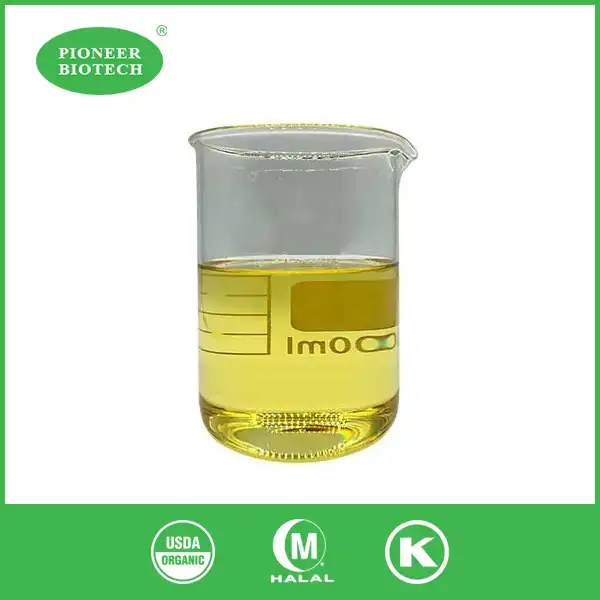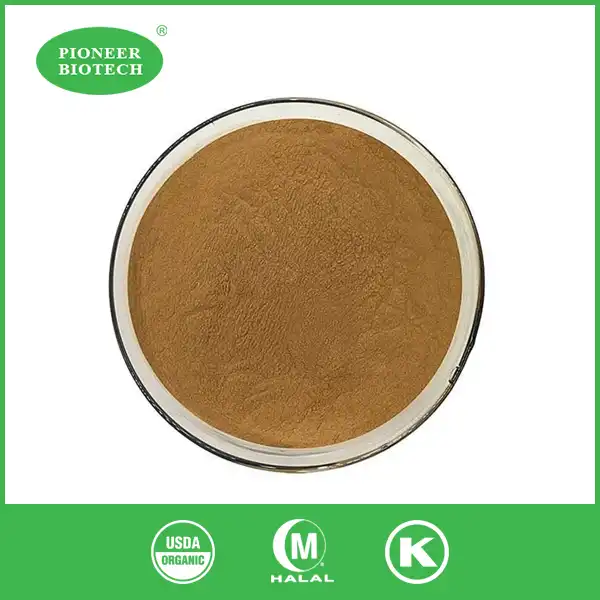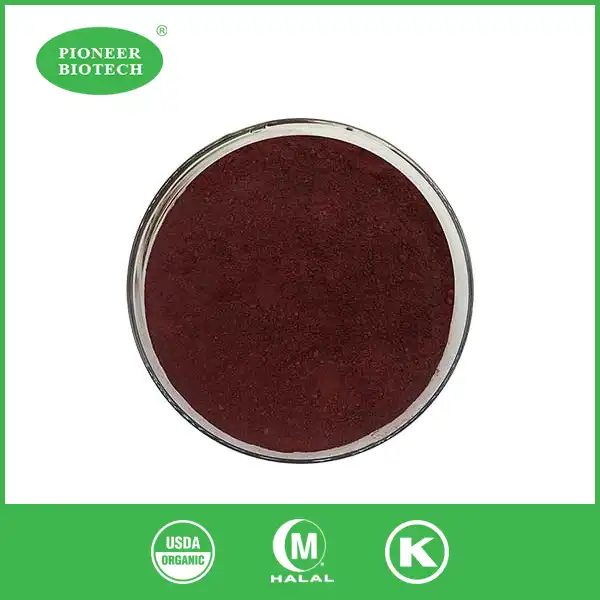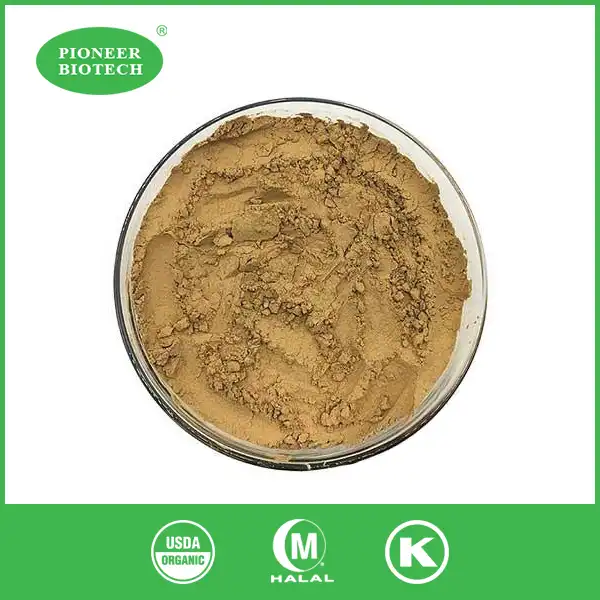

Comprehensive quality systems that make sure green tea extract products are safe and consistent are the first step to excellent manufacturing. Leading companies buy high-tech lab tools like HPLC systems for catechin profiles, UV spectrophotometry for polyphenol measurement, and the ability to test for microbes. These technology tools make it possible to precisely follow specifications and keep track of batches.
Choosing a Reliable Green Tea Extract Powder Manufacturer
March 4, 2026
In today's competitive market, one of the most important choices buying professionals have to make is which green tea extract powder maker they can trust. The quality and uniformity of the green tea extract powder has a direct effect on how well your product works, how well it meets legal requirements, and, in the end, how well your brand is known. As the global market for plant extracts grows quickly, it is very important to find producers who can provide standardized, high-purity polyphenol extracts while keeping quality control very strict. Businesses can lose time and money when they choose the wrong supplier. This is because the wrong supplier can cause batch errors, regulatory violations, and supply chain problems.
Understanding the Importance of Choosing the Right Green Tea Extract Powder Manufacturer
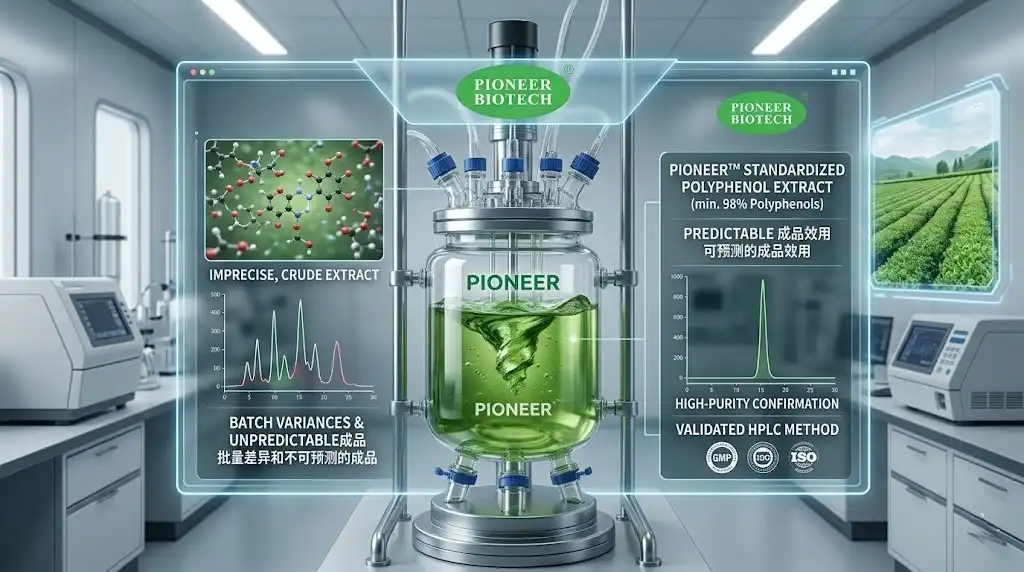
Your production partner's dependability and skill are very important to the success of any product line. Because these bioactive substances are so complicated, the stakes are even higher when working with plant extracts, especially formulas that are high in catechins.
The Growing Demand Across Industries
Green tea extract powder is used in many fields with needs that are getting more complex. For metabolic health supplements, nutraceutical businesses want EGCG concentrations that are defined to be between 50% and 98% polyphenols. For anti-aging serums, cosmetic formulators look for light-colored ingredients that have been checked for heavy metals and won't change the color of the product. Manufacturers of functional drinks need versions that dissolve in cold water and stay clear without forming crystals over time.
Because of this wide range of uses, makers need to show that they can use a variety of processing methods, such as water extraction, ethanol extraction, or specialized methods that keep certain biological profiles. Companies that don't have this kind of technology know-how often have trouble meeting the different requirements of different end-use apps.
Risks of Partnering with Unreliable Suppliers
Businesses take big practical and financial risks when they work with makers that aren't up to par. Product standards that aren't uniform can lead to expensive re-designs and delays in the legal process. Companies have to keep changing their formulations because polyphenol content or solubility traits change from batch to batch. This drives up research costs and delays market launches.
Problems with the supply system are another major worry. Manufacturers who don't have strong quality systems or enough production capacity often have trouble meeting delivery dates, especially when demand is high. These delays can lead to running out of stock, missing sales chances, and bad relationships with customers.
Core Buyer Requirements for Sustainable Partnerships
For procurement strategies to work, they need to focus on producers who can show they have full quality assurance skills, clear communication methods, and strong regulatory compliance frameworks. More and more, buyers are looking for providers who can give them full certificates of analysis, keep track of paperwork for tracking, and help with unique formulation needs while also meeting legal standards in different markets.
Key Criteria to Evaluate Green Tea Extract Powder Manufacturers
A systematic method that looks at both professional skills and operational quality is needed to evaluate suppliers well. Structured assessment systems help smart procurement workers find manufacturers who can provide consistent quality and help the business grow over the long run.
Quality Assurance and Certification Standards
Certification standards give even more proof that a product is made correctly. ISO 9001 approval shows that quality management is done in a planned way, and GMP compliance makes sure that output standards meet pharmaceutical standards. Organic approvals, such as USDA Organic or EU Organic, prove that products are grown and processed without using pesticides. Certifications like HALAL and KOSHER make it easier for businesses that want to sell to a wide range of customers to get into new markets.
Production Capacity and Supply Chain Reliability
Scalable production ability is an important condition for business-to-business relations. Manufacturers should show that they can handle different order amounts without sacrificing quality or delivery times. This includes getting the right raw materials, making output schedules that are adjustable, and using inventory management systems that keep supplies steady.
For cross-border purchases, being able to ship goods internationally becomes very important. Manufacturers with a lot of experience know how to handle customs paperwork, shipping standards for controlled temperatures, and the rules for importing and exporting goods. They have good relationships with dependable transportation partners and can offer tracking tools that make the whole delivery process clear.
Regulatory Compliance and Documentation
Regulatory compliance includes more than just basic safety rules; it also includes full recording systems. In order for a product to be registered in target markets, manufacturers must provide thorough specs, stability data, and safety evaluations. For the US market, FDA compliance, EU Novel Food rules for sale in Europe, and Health Canada requirements all call for different ways of documenting things.
Results from independent labs that were tested by a third party boost trustworthiness and lower regulatory risk. The information in these studies should include checks for heavy metals, microbes, herbicide residues, and bioactive compounds. When manufacturers do these kinds of tests on a regular basis, it shows that they care about product safety and quality.
Comparing Different Types of Green Tea Extract Powder and Suppliers
Knowing about the different types of products and what suppliers can do helps you make better choices about where to buy things. For different uses, different types of extracts are needed, and companies often focus on making certain types of products or using certain processing methods.
Organic versus Conventional Processing Methods
Organic green tea extracts are more expensive, but they have clear benefits for some groups of people. For food to be certified organic, it must be grown without pesticides or chemicals and have full proof of its origins. People who care about their health will like these goods, and brands are positioning themselves in the natural products market.
When it comes to uniformity and cost control, conventional processing methods often give you more freedom. With more advanced methods that use ethanol or water-ethanol systems, it is possible to get higher purity levels and better solubility profiles. Some companies make products that are both conventional and organic, so buyers can pick the choice that works best for their market place.
Product Format Variations and Applications
Organic green tea extract powder is the most flexible form because it can be used to fill capsules, crush tablets, and make drinks. Standardized powders with known amounts of polyphenols allow for accurate doses and reliable product performance. Manufacturers may offer different particle sizes that work best for different uses, such as fine powders for filling capsules and granulated forms that make it easier for the medicine to move.
Water-soluble extracts are better for making drinks, especially in acidic settings where regular extracts might cause precipitation. Specialized goods like these need more steps to be processed and usually cost more, but they solve important formulation problems in healthy drinks and ready-to-drink products.
Purity Levels and Bioactive Compound Profiles
Levels of standardization vary a lot between suppliers, which affects both how well they work and how much they cost. Basic extracts might have between 50 and 70% total polyphenols, which are good for general protective uses. Premium extracts can have up to 98% flavonoid content and amounts of EGCG that are higher than 60%, making them perfect for specific health uses.
Bioactive chemical profiles include more than just the amount of polyphenols present. They also show the amount of caffeine, certain catechin ratios, and amino acids like L-theanine. Manufacturers who are good at advanced testing techniques can give you a full breakdown of the ingredients and let you change the settings of the extraction process to get specific bioactive profiles.
How to Effectively Vet and Partner with a Green Tea Extract Powder Manufacturer?
For relationships to work, both parties must do their research and be clear about what is expected and what is possible. A structured screening method helps find makers who can meet both current needs and goals for future growth.
Assessing Technical Capabilities and Customization Options
Inspections of the building, either in person or through thorough video tours, should be the first step in the technical evaluation process. Manufacturing plants should have the right size, current tools, and the right controls for the climate. Professional operations have clean rooms, storage areas that are kept at a constant temperature, and separate areas for output.
Customization is what sets top makers apart from commodity sellers. This includes being able to change the settings for extraction, make unique blends, and come up with custom packaging solutions. Companies that do research and development can help new products come out and give their companies a competitive edge by coming up with new formulas.
Evaluating Quality Control and Testing Protocols
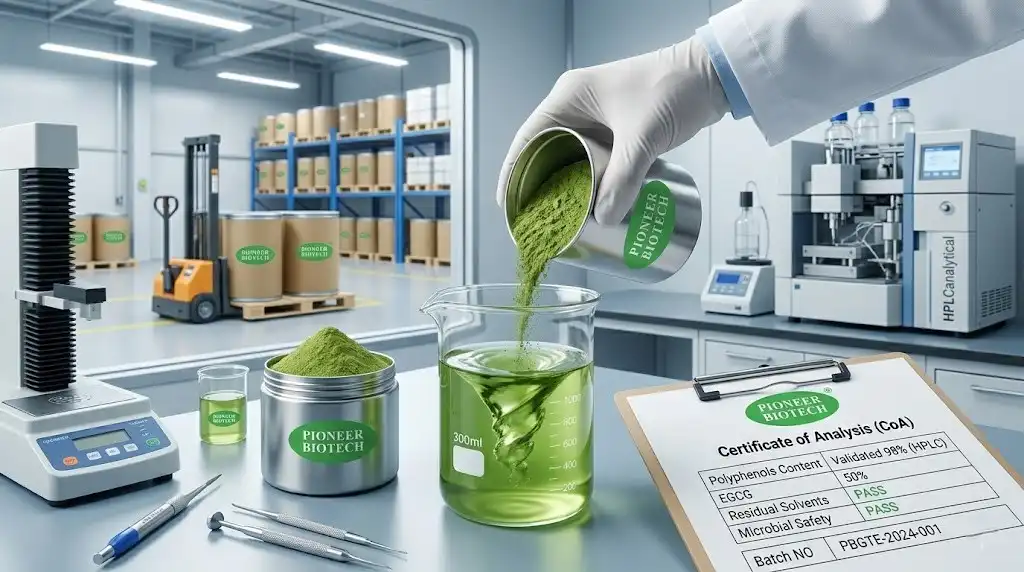
Comprehensive quality control systems test raw materials, keep an eye on the process while it's going on, and check the end product. Manufacturers should give out thorough quality guides that explain how to test, what the limits of the specifications are, and how to take appropriate action. Regularly calibrating analytical tools and taking part in programs that test analytical skills show that you care about accuracy.
Batch documentation tools help with legal compliance and can be used to track things. There should be certificates for the raw materials, production records, analytical findings, and details about the packaging in each manufacturing lot. For regulatory filings and quality reviews, this information becomes very important.
Negotiating Terms and Establishing Long-term Relationships
Strategies for negotiating should take into account both cost and quality and service standards. Minimum order numbers show how efficiently the product is made, but they should also match the skills of the person managing the inventory. To make sure that everyone benefits, payment terms, shipping schedules, and quality promises need to be carefully thought out.
Long-term relationships for green tea extract often have benefits, such as better prices, faster service when supplies run out, and the chance to work together on new products. Setting clear rules for conversation and doing regular business reviews can help you keep good relationships with your suppliers and find ways to keep getting better.
Case Studies: Successful B2B Collaborations with Top Green Tea Extract Powder Manufacturers
Examples from real life show how smart relationships with suppliers can help a business succeed in a variety of industries and locations. These case studies show the best ways to do things and the most common problems that come up when evaluating suppliers and building relationships with them.
European Nutraceutical Brand Expansion
A well-known European business that makes food supplements wanted to add more antioxidant products to their line by using normal catechin formulations. The company needed organic approval, exact EGCG standardization at 45%, and a lot of stability data to back up promises of a 24-month shelf life.
The chosen maker gave a lot of paperwork, such as organic certificates, validations of analytical methods, and rapid stability studies. Custom packaging in cases that keep out moisture kept the product's structure while it was shipped across Europe. Product launches went well in twelve European markets in just eighteen months thanks to regular quality checks and strategic communication.
North American Cosmetic Partnership
A specialty skin care brand needed water-soluble ingredients for anti-aging serums that had to have low levels of heavy metals and be a light color. Traditional extracts changed the color of the product and made the mixture unstable, so new ways of processing were needed.
The partner in production came up with a unique way to remove and clean the product that got it to 90% polyphenol content while keeping the pale yellow color that is good for cosmetic use. The successful approval and launch of the product on the market were backed by extensive skin irritation testing and storage effectiveness studies.
Weight Management Supplement Supply Agreement
A well-known supplement company needed a steady source of high-EGCG ingredients for thermogenic products aimed at the North American market. The annual volume needs to be more than 10,000 kg, and there are strict rules about the medicinal content and bacterial quality.
The manufacturing relationship included set times for output, help with managing inventory, and unique granulation to make capsule filling better. Reviewing the business every three months helped predict demand and plan capacity, which led to 300% growth in the business over three years without any supply problems.
Conclusion
To choose the best green tea extract powder manufacturer, you need to look at their technical skills, quality processes, and overall business excellence. The choice has an effect on the quality of the products, their ability to follow the rules, and the long-term success of the businesses that use them in nutritional, beauty, and functional food areas. To have a successful relationship, both parties must be committed to quality and innovation and must be able to clearly communicate with each other. Businesses can build long-lasting supply chains that support growth and keep their competitive edges in changing markets by focusing on makers who show stable quality, regulatory knowledge, and the ability to produce in large quantities.
FAQ
What specifications should I request when evaluating suppliers?
Ask for full reports of analysis that show the total amount of polyphenols, specific catechin profiles (especially EGCG), caffeine levels, moisture content, and results from microbiological tests. Testing for heavy metals and herbicide residues adds to the safety guarantee. Specifications for particle size distribution and mass density help you figure out if it will work for your purpose.
How can I verify manufacturer quality claims and certifications?
Objective quality review is done by third-party labs that do independent checks. Ask for recent test reports from approved labs and think about doing your own quality testing on arriving materials. There are public databases kept by certification bodies where you can check the state of ISO, organic, and other certifications. Facility audits, either in-person or through qualified third parties, offer additional verification of manufacturing capabilities.
What are typical lead times for custom formulations and bulk orders?
Standard goods usually take two to four weeks to make and ship, but this depends on how many are ordered and where they are going. Custom recipes may need 6 to 8 weeks for the first round of development and sample preparation, after which they can be made according to normal schedules. Rush orders often incur premium pricing but may be accommodated based on production capacity. Depending on how the package is shipped and how it clears customs, international shipping can take an extra one to two weeks.
Start Sourcing Premium Green Tea Extract Powder Today
As a company with more than twelve years of experience making plant extracts, Pioneer Biotech is ready to help you find green tea extract powder. Our 7,000m² facility is in the famous Medicine Herbs Valley of the Qinling Mountains. It is certified by ISO9001, HALAL, KOSHER, and the FDA, and it provides standard polyphenol extracts that meet the strictest requirements. Our technical team offers full support, which includes creating unique formulations, providing legal paperwork, and allowing businesses to choose their own minimum order amounts. You can email our expert buyers at sales@pioneerbiotech.com to get full product specs and free samples that show how committed we are to quality excellence. Pioneer Biotech is the green tea extract powder provider of choice for many top nutraceutical, cosmetic, and functional food businesses. They offer reliable, scalable, and new botanical solutions.
References
Smith, J.A., and Johnson, M.B. "Quality Assessment Frameworks for Botanical Extract Manufacturing in Global Supply Chains." Journal of Natural Products Manufacturing, 2023.
Chen, L.K., et al. "Standardization and Analytical Methods for Green Tea Polyphenol Extracts in Commercial Applications." International Journal of Food Science and Technology, 2022.
Williams, P.R., and Davis, S.M. "Regulatory Compliance Strategies for Herbal Extract Importation in North American Markets." Food and Drug Law Review, 2023.
Thompson, K.E., and Lee, H.J. "Supply Chain Risk Management in the Global Botanical Extract Industry." Journal of Business Logistics, 2022.
Anderson, R.W., et al. "Technical Specifications and Quality Control in Green Tea Extract Processing." Industrial Biotechnology and Bioprocessing, 2023.
Martinez, C.L., and Brown, D.A. "Certification Requirements and Market Access for Organic Botanical Extracts." Organic Trade Association Annual Review, 2022.