
Ashwagandha Powder - Uses, Benefits, & Complete Guide
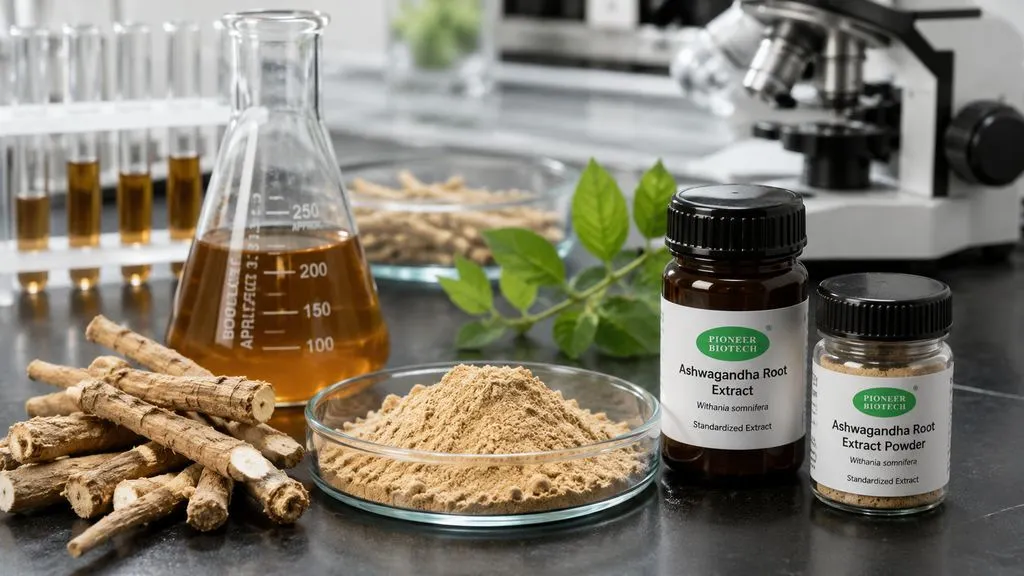
Withania somnifera, a well-known adaptogenic herb that is primarily found in dry parts of India, is the source of the high-quality plant ingredient ashwagandha root extract powder. This standardized extract focuses bioactive chemicals, mostly withanolides, using advanced extraction methods that make sure the quality and efficiency are the same for everyone. As the need for natural ways to deal with stress grows around the world, purchasing managers and people who make products are learning that ashwagandha root extract powder is a key ingredient in many nutrition products, functional drinks, cosmetics, and medicines. People who buy botanicals for business can make better decisions when they know where the plants come from, how to judge quality, and how the botanicals can be used in business.
What Is Ashwagandha Root Extract Powder?
Botanical Background and Origins
The scientific name for ashwagandha is Withania somnifera. It is a plant in the Solanaceae family that grows best in dry Indian states like Rajasthan, Gujarat, and Madhya Pradesh. As a result, the roots are the best part of the plant to use to make extracts that are safe for use in medicine. In Ayurvedic medicine, this plant has been used for more than 3,000 years to improve health and give people more energy. On organic farms all over India, new growing methods are now used. There is a direct link between the temperature and quality of the soil and the phytochemical makeup of the end extract.
Manufacturing Process and Quality Factors
From raw root to equal powder, there are a number of carefully controlled steps that need to be taken. Once the roots are picked, they are cleaned very well, dried at very low temperatures to protect the withanolides that are sensitive to heat, and then machine-ground into small pieces. For extraction, water-ethanol mixtures are often used because they remove dead plant matter while separating bioactive chemicals. After the concentrate is made, it is spray-dried to create a stable, free-flowing powder with set mesh sizes (usually 80 to 100 mesh). This makes it simple to mix for a variety of recipe needs. The wetness level is kept below 5% so that germs don't grow on the food while it's being stored or moved.
Active Compounds and Nutritional Profile
An important chemical group in ashwagandha root extract is called withanolides. They use Withaferin A, Withanolide A, and Withanone to make the product the same. Samples of good grade say that they have between 2.5% and 10% withanolide in them. An HPLC measurement, not a less accurate gravimetric method, was used to show this. Along with withanolides, the extract has alkaloids, saponins, and steroidal lactones that help the body get used to the changes. Together, these hormones change the stress reaction, which makes it easier to concentrate and last longer in the gym.
Organic Versus Non-Organic Variants
Organic certification has a big impact on where a product stands in the market and what customers think about it, especially in North America and Europe where people care a lot about their health. Some farms follow tight rules and don't use chemical fertilizers, pesticides, or herbicides. This is where certified organic ashwagandha root extract powder comes from. Standards from outside groups, such as USDA Organic, EU Organic, and India Organic, check these methods often. Non-organic types may be less expensive, but they need to be carefully checked for pesticide residues to meet USP 561 standards, which call for tests for over 70 farming chemicals. Procurement teams have to weigh the costs of getting approval against the possible market price when they have to choose between organic and standard options.
Benefits and Uses of Ashwagandha Root Extract Powder
Verified Health Benefits for Product Development
Ashwagandha extract has been shown to help with a number of health issues that are important for making supplements. Randomized controlled trials have shown that people who took 300–600 mg every day for 8–12 weeks had much lower amounts of cortisol and lower scores on a stress scale. These results back up claims that the product can help people deal with stress and keep their mood stable, which is good news for a market that is growing quickly. Studies also show that the extract makes muscle repair and stamina better, which means it can be used in a sports diet. People who are experiencing slight cognitive loss have been seen to improve their memory and attention span. In turn, this makes it possible to make nootropic pills.
Application Across Multiple Industries
You don't have to take ashwagandha powder in pill form to use it. It's in pills, sweets, and ready-to-mix powders that are made by companies that make nutraceuticals. These are meant to help with energy and worry. Functional beverage businesses use it to make health shots, protein shakes, and adaptogenic drink mixes. They do this because the goods have clean labels and are made from real plants. Because it is an antioxidant, cosmetic scientists use it to make anti-aging serums, lotions that relieve stress, and hair care products that stop worry-related hair loss. Drug companies are looking into how to use it as an extra ingredient in the study of plant drugs and as an extra ingredient in over-the-counter goods that help with stress. Contract manufacturers who work with private-label clients need reliable buying partners who can boost supply and keep quality stable from batch to batch for all of these uses.
Formulation and Dosage Considerations
How well they work with other things is important to know if you want to make a good product. Clinical research shows that every day taking 250 mg to 600 mg of a standardized extract that has 5% withanolides is a good idea. But some versions use stronger amounts to make the doses smaller. The extract is very stable in dry forms, but it needs to be handled carefully when it comes to uses that don't like it when it gets wet. Because it has an earthy, slightly sour taste on its own, it needs to be hidden in consumer goods like drinks and chewables. Mixing it with adaptogens that work well with each other, like rhodiola or holy basil, could make the blends work better together. They could also mix it with bioavailability boosts, like black pepper extract, to make it easier for the body to take.
Comparison and Effectiveness: Powder vs Capsules vs Tincture
Concentration and Absorption Differences
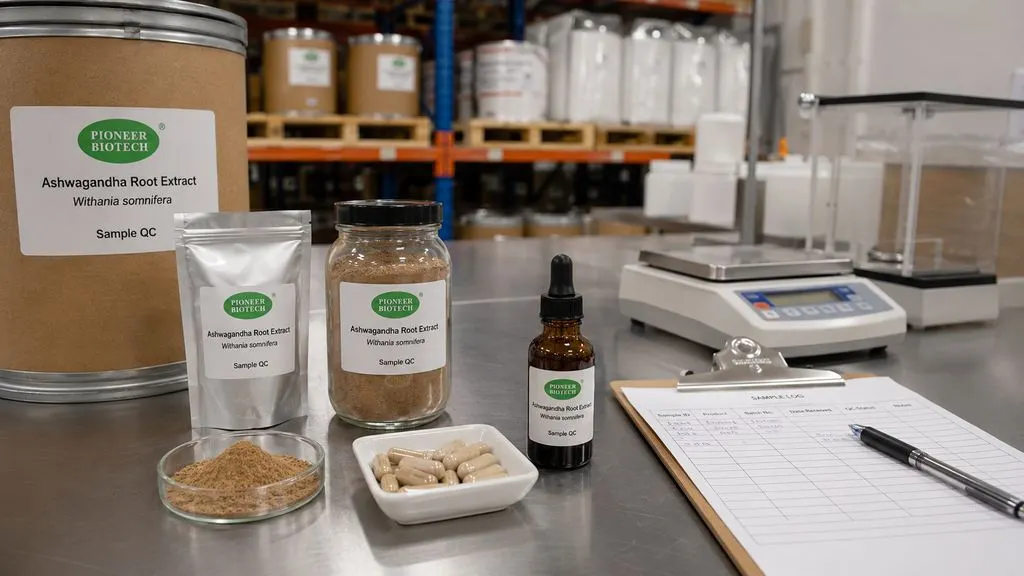
There are pros and cons to each type of shipping for different types of users and customers. Powders let you make the most mixtures because it's easy to change the exact amount and add them to drinks, smoothies, or your own vitamin mixes. Most of the time, each amount is 100 to 300 mg and is given quickly. The amount is already measured out in capsules, which makes them handy. They come in vegetable or gelatin shells that hide the taste and make them easy to carry. Each one has 300–500 mg of standardized extract. Alcohol or glycerin extraction is used to make liquid solutions that are taken faster, which is good for people who want to feel the effects right away. Many changes don't happen between the types of withanolide that have the same amount of drug in them, as shown by bioavailability tests. However, how well the drug is taken may depend on how the person's stomach works.
Root Extract Versus Raw Root Powder
If you want to be sure that what products say about how well they work is true, you should know the difference between pure extract and raw root powder. There are naturally between 0.3 and 0.5% withanolide in raw root powder, which is made from the whole ground root. You need to eat a lot more (3-6 grams) to get to the right amounts. In pure extracts, the quantity of withanolide goes up by 5–20 times. It's possible to use smaller amounts and make formulas more compact this way. This concentration makes each active bit more cost-effective, even though it costs more per kilogram. They should be very clear about extract ratios (10:1 or 20:1) or standard withanolide amounts when they set up source deals. This will keep things clear and make sure that the goods always work well.
Full Spectrum Versus Standardized Extracts
There is a debate about full spectrum vs. controlled extracts because people want to know how to balance the purity of plants with the accuracy of drugs. Full spectrum extracts keep all of the phytochemicals that were in the plant in its original form. They also keep the amounts of natural ingredients that fans say make the effects of working together greater. Standardized extracts are made with careful processing to keep the amount of withanolide the same. This makes sure that the strength stays the same from one production run to the next, which is necessary for GMP-compliant production and approval by the government. It has been found through market study that different types of customers have different tastes. Examples: People who are interested in traditional health like full range accuracy, while people who are interested in evidence-based medicine like measured strength claims. The company that makes the product should make sure that the extract they pick fits with what the government wants the product to do and what the target market wants.
Procurement Guide: Buying Ashwagandha Root Extract Powder in Bulk
Supplier Evaluation and Certification Requirements
To find good service providers, you need to carefully check them for many safety issues. Manufacturers with a good reputation keep their GMP certifications up to date. This shows that they follow the rules for making medicines. Some of these rules are how to keep the area safe, calibrate tools, and keep track of staff training. If your company has ISO 9001 certification, it means that you have a quality management system that works well, is regularly checked, and has ways to keep getting better. Valid USDA Organic, EU Organic, or similar certifications must be checked for organic goods. This can be done by keeping track of certificates and getting in touch with certifying groups directly. Analytical skills should be checked out in suppliers, especially the ability to use HPLC equipment to measure withanolide and ICP-MS equipment to check for heavy metals.
Key Quality Specifications for Bulk Orders
Technical issues should be spelled out in detail in buy deals so that there are no problems with quality and rules are followed. A good range of withanolide levels (aiming for ±10% variation), heavy metal limits that meet USP standards (Lead below 0.5 ppm, Arsenic below 1 ppm, Cadmium below 0.3 ppm, and Mercury below 0.1 ppm), microbiological parameters (Total Aerobic Microbial Count below 1,000 CFU/g, absence of pathogenic organisms), and pesticide residue screening results are some of the most important things that need to be met. The amount of moisture should stay below 5% so that the product stays stable for the predicted 24 to 36 months. How well the particles are mixed depends on the range of sizes, and they should be the right size for the recipe. First, get Certificates of Analysis (CoA) from at least three consecutive output runs to see how well they match up with each other. Only then should you sign a long-term supply agreement.
Logistics and Storage Best Practices
To keep the cleanliness of the extract all the way through the supply chain, environmental controls and processing rules must be followed. Ashwagandha extract soaks up water, so it needs to be stored in high-density plastic cases with desiccant packets or paper bags lined with foil to keep water out. Temperatures should be between 15°C and 25°C and relative humidity should be below 60% in storage places so that things don't stick and bacteria don't grow. Plans for transporting things across foreign lines must take temperature changes into account, especially when going through tropical areas or harsh weather. With first-in, first-out product turnover, you can keep withanolide from being stored for long periods of time, which could make it less effective. Documentation methods should keep track of lot numbers, production dates, and storage conditions all along the chain of distribution. This will help with quality checks and keeping track of things.
Considerations for B2B Buyers: Choosing the Right Ashwagandha Product
Defining Requirements Based on End Application
Make sure the product specs are clear and meet the needs of the target market and the rules before you buy strategically. Nutraceutical brands that want to attract high-end health customers may choose full spectrum and organic certification goods over cheaper ones as a way to stand out in the market. For pharmaceutical uses to follow the rules, products must be GMP-certified, have tried-and-true testing methods, and come with a lot of safety papers. To make makeup, people who make it need steady data that shows how well the product works in a store and with other common makeup ingredients. That their goods are safe for food and come in water-soluble forms that are easy to mix with drinks is something that companies that make functional foods need to get. It saves money and time to get a product to market when product specs are matched to application needs.
Evaluating Supplier Reliability and Partnership Potential
How well long-term buying works depends a lot on how well the buyer and seller get along. If makers want to keep up with growth, a capacity review tells them if they can boost production without hurting quality or missing delivery dates. Being close to major ports is good for international buyers because it makes shipping easier, but local choices may be better for regulations. It is very helpful to be able to communicate, respond, and provide professional support when you are trying to solve formulation problems or answer questions about quality. One sign that a provider wants to do more than just do business is if they are willing to give samples, work with specific needs, and be clear about pricing. People who have worked with a company before can tell you a lot about how reliable they are, how they solve problems, and how easy it is to work with them in general.
Building Long-Term Supply Chain Stability
Long-term buying plans put more value on having strong ties with providers than always looking for the best deal. This is because working together with providers is good for more than just cutting costs per unit. When a framework makes clear claims about volume and price, it makes things more solid for everyone. This lets providers spend their money on increasing their capacity and improving quality. With collaborative planning, production plans are more likely to match up with demand patterns. This means that there are fewer emergency orders and the costs that come with them. Companies always follow the rules and make sure that their goods are always the same by working together on quality improvement projects like making sure that testing methods are true or cutting down on contaminants. Finding other places to get important items while having good relationships with the ones you already work with is one way to broaden your business. This way, you can find a good mix between safety and how hard it is to keep everything in order.
Conclusion
In addition to cosmetics, nutraceuticals, and useful foods, ashwagandha root extract powder is now used in many different businesses. For procurement to go well, you need to know where the plants come from, how they are extracted, what quality standards are needed, and what application-specific needs there are. This way, you can pick goods that fit your marketing plans for the market. You can lower the risks in the supply chain by carefully checking the credentials, analysis skills, and relationship possibilities of your providers. Also, this makes sure that the rules are followed. You can reach specific groups of people more effectively by telling the difference between organic and common types, refined and full spectrum products, and different delivery forms. Since the health market is changing so quickly, companies that work with reliable manufacturers who are committed to high quality and open communication can stay ahead of the curve.
FAQ
What withanolide concentration is optimal for nutraceutical formulations?
It has been used in most clinical studies to give 300–600 mg of products that are standardized to 5% withanolides every day. Based on proof, this percentage has been set as the standard. When there are higher amounts (8–10% withanolides), dose sizes can be smaller. This is good for people who want fewer pills but don't want to pay more for them. It might cost more to make things even though the raw materials are cheaper if smaller amounts need bigger doses.
How does organic certification impact regulatory compliance?
There is less trouble getting organic items on the market in places like the US and the EU where people really want approved goods. It's not required by law, but having organic status meets high standards that people choose to follow, and people who care about their health like it. Heavy metals, bacteria, and pesticides still need to be checked for in certified organic goods the same way they do in regular goods.
Can ashwagandha extract be used in topical cosmetic formulations?
Of course. Ashwagandha is used in anti-aging serums, stress-relieving creams, and hair products because it reduces inflammation and protects cells from damage. Formulators usually use extract amounts between 0.5 and 2% to make sure the product works with emulsion systems and stays stable in a cosmetics shop. Patch tests show that the product is not likely to hurt skin, so it is safe for people with sensitive skin to use.
Partner with Pioneer Biotech for Premium Ashwagandha Root Extract Powder
In 2012, Pioneer Biotech began sending pharmaceutical-grade plant ingredients to businesses all over the world. Since then, they have been a dependable source of ashwagandha root extract powder. You can find our workshop in Hanzhong, which is in the well-known Medicine Herbs Valley in the Qinling Mountains. There are strict quality control rules that have been passed by ISO9001, HALAL, KOSHER, and the FDA. It is in a great place. We sell powder made from ashwagandha root that has been carefully tested to make sure it meets strict standards for withanolide. It has all the scientific paperwork you need, such as HPLC tests, heavy metal screening, and bacterial tests. Our professional team works closely with you to reach your product development goals, whether you need ingredients that are approved as organic, extract ratios that are made just for you, or a large quantity that can be scaled up or down depending on your needs. Send us an email at sales@pioneerbiotech.com to learn more about how to get samples, our low bulk prices, and how our commitment to quality can help your plan work.
References
Chandrasekhar, K., Kapoor, J., & Anishetty, S. (2012). A prospective, randomized double-blind, placebo-controlled study of safety and efficacy of a high-concentration full-spectrum extract of ashwagandha root in reducing stress and anxiety in adults. Indian Journal of Psychological Medicine, 34(3), 255-262.
Mishra, L. C., Singh, B. B., & Dagenais, S. (2000). Scientific basis for the therapeutic use of Withania somnifera (ashwagandha): a review. Alternative Medicine Review, 5(4), 334-346.
Sangwan, R. S., Chaurasiya, N. D., Misra, L. N., Lal, P., Uniyal, G. C., Sharma, R., & Tuli, R. (2004). Phytochemical variability in commercial herbal products and preparations of Withania somnifera. Current Science, 86(3), 461-465.
Kulkarni, S. K., & Dhir, A. (2008). Withania somnifera: An Indian ginseng. Progress in Neuro-Psychopharmacology and Biological Psychiatry, 32(5), 1093-1105.
United States Pharmacopeial Convention. (2020). USP-NF General Chapter 561: Articles of Botanical Origin. Rockville, MD: United States Pharmacopeial Convention.
Winters, M. (2006). Ancient medicine, modern use: Withania somnifera and its potential role in integrative oncology. Alternative Medicine Review, 11(4), 269-277.