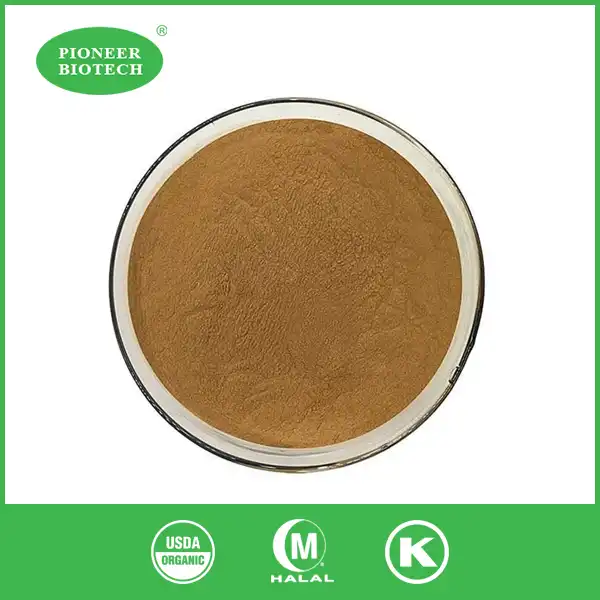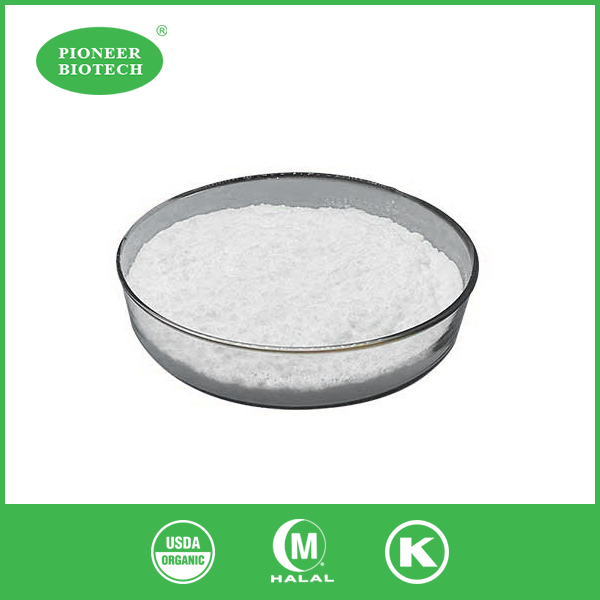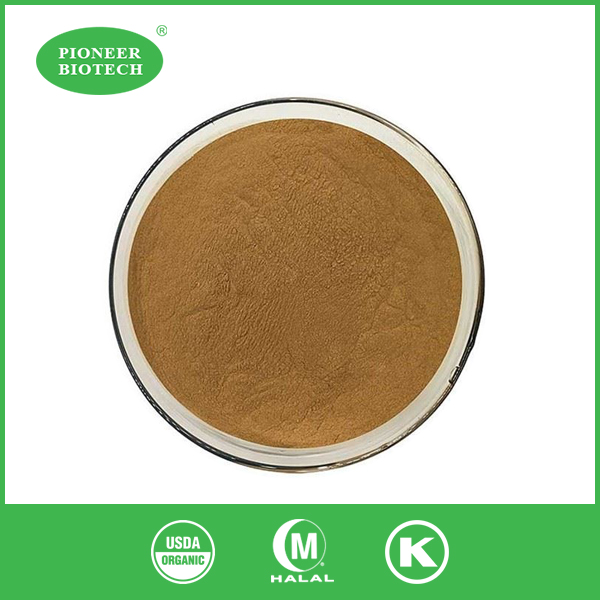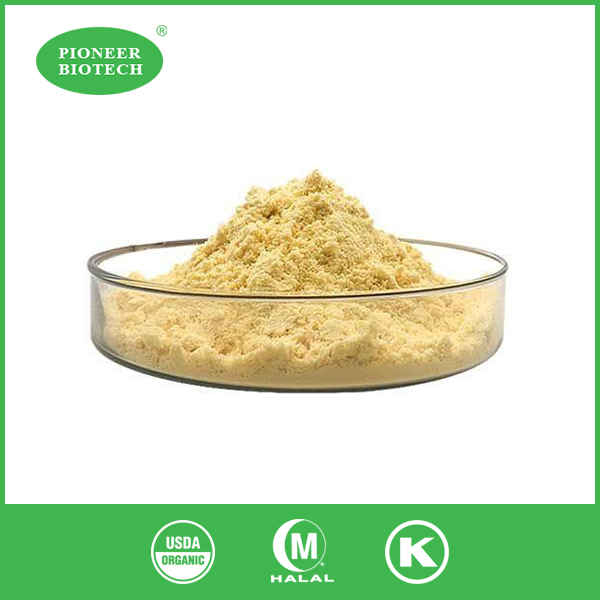

Chitin powder is a new biopolymer that comes from crustacean shells and is used in a wide range of businesses to help make environmentally friendly materials that will break down naturally. This polysaccharide, which is naturally found in some plants, has great antimicrobial and mechanical strength, and it can break down completely without harming the environment. This makes it a great alternative to man-made polymers in packaging, agriculture, fabrics, and biomedical uses. As environmental rules become stricter and people want more eco-friendly products, chitin powder becomes very important for companies that want to make high-performing biodegradable materials that are functional, meet environmental goals, and stay competitive in the market.
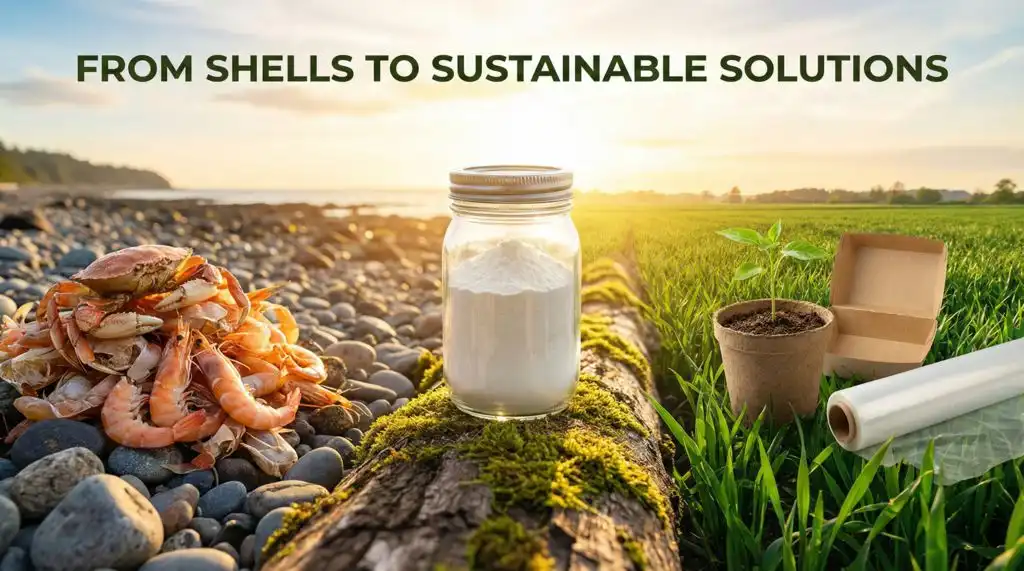
Understanding Chitin Powder and Its Role in Biodegradable Materials
Chitin powder is the second most common natural polymer on Earth. It is mostly taken from the shells of crustaceans using complex methods that keep the chitin's unique structure. Because it is biocompatible, biodegradable, and naturally antimicrobial, this biopolymer is much different from manufactured materials that are used normally. Molecules of chitin are made up of N-acetylglucosamine units joined by β-(1→4) links. This makes a strong framework that gives composite materials great strength.
Procurement workers need to know the difference between chitin and chitosan. Chitin has better crystalline structure and mechanical qualities in its natural form, while chitosan has better solubility and processability because it goes through deacetylation. This basic difference affects how people choose materials based on the needs and limitations of different applications.
The biodegradation profile of chitin-based materials is a great match for rules that protect the environment. Research shows that chitin powder breaks down naturally through enzymatic action, returning good nutrients to the ground without leaving behind any dangerous traces. This feature helps meet the growing legal demands for eco-friendly packaging and farming films that support the ideas of a circular economy.
Core Applications of Chitin Powder in Biodegradable Products
Versatile chitin powder can be used in many different industries, with each one using its unique qualities to meet market needs and environmental issues.
The use of chitin-based biodegradable products in packaging is the fastest growing area. Food packaging films that use deacetylated chitosan show great barrier qualities against moisture and oxygen. They also offer natural antimicrobial protection that extends the shelf life of the food without using chemical preservatives. Under the right conditions, these films break down fully in 60 to 90 days. They meet strict environmental standards for materials used in single-use packaging.
Because chitin powder is both a biodegradable material and a soil fertilizer, it is useful in agriculture. Chitin is an important ingredient in mulch films that help soil stay healthy. The controlled decomposition of the film releases helpful chemicals that make plants grow better. The antimicrobial properties of chitin guard against fungal infections and release nutrients slowly during germination in seed coating applications.
Biomedical uses take advantage of chitin's great compatibility with the body and ability to fix wounds. Medical device companies use chitin powder in biodegradable sutures, wound dressings, and medicine delivery systems that make it unnecessary to have surgery to take them out. The hemostatic properties of chitin speed up clotting and help tissue grow back by causing controlled inflammatory reactions.
Textiles use chitin powder to make antimicrobial nonwoven fabrics for hygiene items, medical textiles, and protective clothing. The natural antibacterial property keeps the cloth intact during the whole life cycle of the product and lowers the need for chemical treatments. Biodegradable wet wipes and disposable clothes made with chitin help with environmental issues related to synthetic material waste.
Procurement Considerations for Chitin Powder in Biodegradable Material Manufacturing
To successfully get chitin powder, you need to make sure that quality parameters, supplier capabilities, and legal compliance standards are fully looked at. These standards make sure that the material always works well and the supply chain is dependable.
Quality standards change a lot depending on what the object will be used for. Pathogenic microorganisms must not be present and heavy metal contamination must be low in food-grade deacetylated chitosan. Industrial-grade materials may be able to handle higher amounts of ash without losing the important qualities that make them work. The size and distribution of particles have a big impact on how the material is processed and its final properties. This means that the specification must be carefully matched to what the production tools can do.
Supplier review includes a lot more than just looking at the prices. The amount of production needed must match the manufacturing capacity, and quality must be uniform by following testing rules from batch to batch. ISO 9001 quality control systems, HACCP food safety standards, and GMP compliance for pharmaceutical uses are all part of the certification process. Traceability paperwork makes sure that the sources of raw materials are open and supports sustainability claims all the way through the supply chain.
The prices of things depend on a lot of different costs, like how hard it is to make, how much raw material is available, and how good the final product needs to be. Deals for buying in bulk usually offer great savings and make sure that there is always enough supply during times of high demand. When there are not enough raw materials, long-term supply deals make sure the price stays the same and the buyer is first in line. This sometimes happens with crustacean shells.
It is important to keep the powder intact during shipping and storage. This is part of the logistics process. Controlling moisture stops breakdown and keeps flowability features that are important for processing uses. Just-in-time supply arrangements with flexible arrival dates help with production planning and keep inventory costs low.
Challenges and Solutions in Utilizing Chitin Powder for Biodegradable Materials
Chitin powder has a lot of benefits for making recyclable materials, but there are a few technical issues that need to be solved in order to get the best results and make the materials useful for the market.
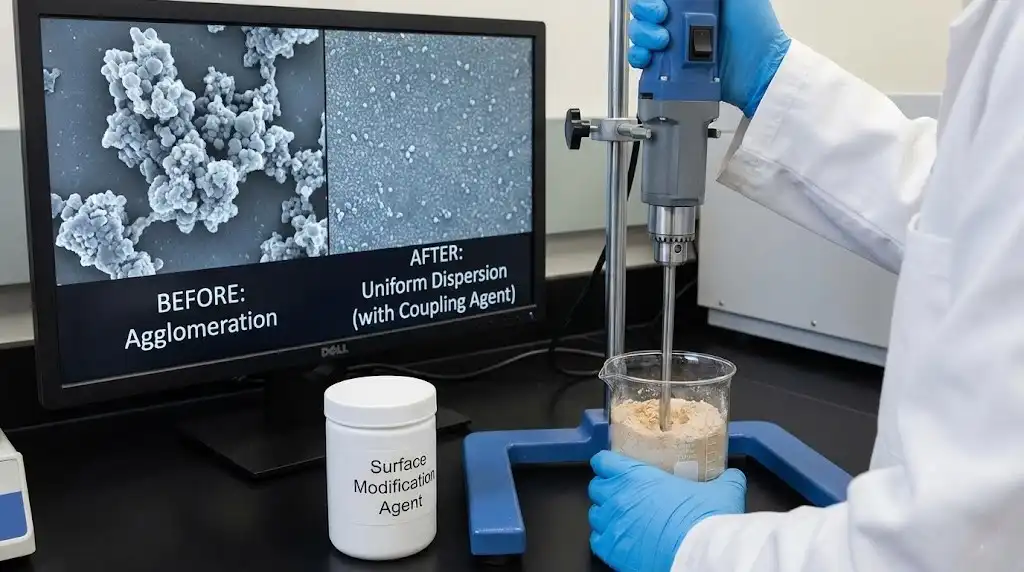
When adding chitin powder to polymer materials, achieving uniform dispersion is a major issue in the processing stage. Since chitin is hydrophilic, it can cause agglomeration in systems that are hydrophobic. This leads to inconsistent material qualities and worse mechanical performance. Better coupling agents and advanced surface modification methods help with diffusion and keep the surface biodegradable.
Adding chitin to other biopolymers or processing chemicals can cause problems with how well they work together. If chemicals that don't mix well are used on materials, they may become weaker or break down faster than expected. The systematic formulation development method finds beneficial ingredient mixtures and adjusts their amounts by using the design of experiments approach.
Thermal sensitivity and moisture content needs that affect material flow and molding characteristics are taken into account by processing parameter optimization. Using controlled atmosphere processing and cold forming methods are modified processing techniques that keep chitin's functional qualities while also getting the right shapes and surface finishes on the material.
The rules that businesses have to follow change depending on where they are located and what industry they're in. A wide range of documents, such as toxicological studies, environmental effect assessments, and lifecycle analyses, back up the regulatory submissions for new material approvals. Building a working relationship with regulatory consultants helps get things approved faster while making sure that new standards are met.
Conclusion
Chitin powder is an important part of making new biodegradable materials that help the earth and work better than current materials. Chitin-based solutions have been used successfully in a wide range of areas, including packaging, gardening, biomedical research, and textiles. To successfully carry out the plan, it is important to focus on quality standards, procurement issues, and relationships with suppliers that make sure the materials always work and the supply chain is dependable. Chitin powder represents a smart investment for companies dedicated to environmental stewardship and market leadership in the biodegradable materials sector as regulatory pressures mount and customer demand for sustainable products rises.
FAQs
In what ways is chitin powder better or worse than man-made plastics when used in recyclable materials?
Chitin powder is better for the environment because it is fully biodegradable in 60 to 90 days in a garbage pile. It also has similar mechanical strength and better germ-fighting abilities than synthetic options. The natural origin gets rid of worries about microplastic buildup and poisonous breakdown products that affect the removal of man-made polymers.
What do you do to make sure that chitin powder always works the same way in manufacturing?
Comprehensive quality control tests each batch of output for particle size, moisture content, and ash content, as well as checking for heavy metals. Microbiological testing checks that there are no harmful microorganisms present, and functional testing checks that mechanical qualities and biodegradation rates are within the right ranges.
Can chitin powder be mixed with other biopolymers to make the materials better?
Yes, chitin powder can be made into a good match with a lot of different biopolymers, such as PLA, PHA, and starch-based systems, by using the right methods. The blending ratios can be fine-tuned to meet certain performance goals, keep full biodegradability, and improve the general functionality of the material.
Pioneer Biotech: Your Trusted Chitin Powder Supplier for Sustainable Innovation
Pioneer Biotech is a top maker of high-quality chitin powder for use in biodegradable materials. They have more than ten years of experience and cutting-edge production facilities in the famous Medicine Herbs Valley of the Qinling Mountains.
ISO9001, HALAL, KOSHER, and FDA licenses are part of our broad quality assurance system, which makes sure that the quality of our products always meets the highest standards around the world. Our 7,000m² factory is in a good spot that gives us access to high-quality raw materials and lets us make goods cheaply so that we can offer low prices on bulk orders.
Our technical support services set us apart from others by helping with custom formulations, app development, and in-depth analytical testing that speeds up product creation. Our experienced team works with clients to get the best chitin powder specs for their biodegradable material needs. This makes sure that the performance is great and the rules are followed.
The dependability of our supply chain is at the heart of our customer relationships. It allows us to offer flexible minimum order amounts and increase our production capacity to meet demand without lowering our quality standards. Comprehensive logistics support includes specialized packaging and faster shipping choices that keep the integrity of the materials during transport to places around the world.
When you work with Pioneer Biotech, you can use cutting-edge chitin powder technology. Pioneer Biotech has a history of great manufacturing and a dedication to customer success. If you want to talk about your chitin powder for sale needs and how our knowledge can help you reach your sustainability goals and speed up your biodegradable material development projects, email us at sales@pioneerbiotech.com.
References
Kumar, M.N.V.R., et al. "Chitin and chitosan polymers: Chemistry, solubility and fiber formation." Progress in Polymer Science 25.7 (2000): 961-1005.
Rinaudo, M. "Chitin and chitosan: Properties and applications." Progress in Polymer Science 31.7 (2006): 603-632.
Pillai, C.K.S., Paul, W., and Sharma, C.P. "Chitin and chitosan polymers: Chemistry, solubility and fiber formation." Progress in Polymer Science 34.7 (2009): 641-678.
Shahidi, F., Arachchi, J.K.V., and Jeon, Y.J. "Food applications of chitin and chitosans." Trends in Food Science & Technology 10.2 (1999): 37-51.
Khor, E., and Lim, L.Y. "Implantable applications of chitin and chitosan." Biomaterials 24.13 (2003): 2339-2349.
Dutta, P.K., Dutta, J., and Tripathi, V.S. "Chitin and chitosan: Chemistry, properties and applications." Journal of Scientific and Industrial Research 63.1 (2004): 20-31.