
Hemoglobin powder is a complex food additive made from purified hemoglobin proteins. It contains a lot of iron that the body can easily use, along with important amino acids and rare minerals. Because it is absorbed much better than other iron compounds, this specialized ingredient has become very popular in medicines, dietary supplements, and functional foods. Hemoglobin powder is a valuable component for makers looking for high-quality nutritional solutions because of its unique molecular structure, which improves iron utilization while reducing stomach-related side effects that are common with regular iron supplements.
Understanding Hemoglobin Powder: Nutritional Composition and Sources
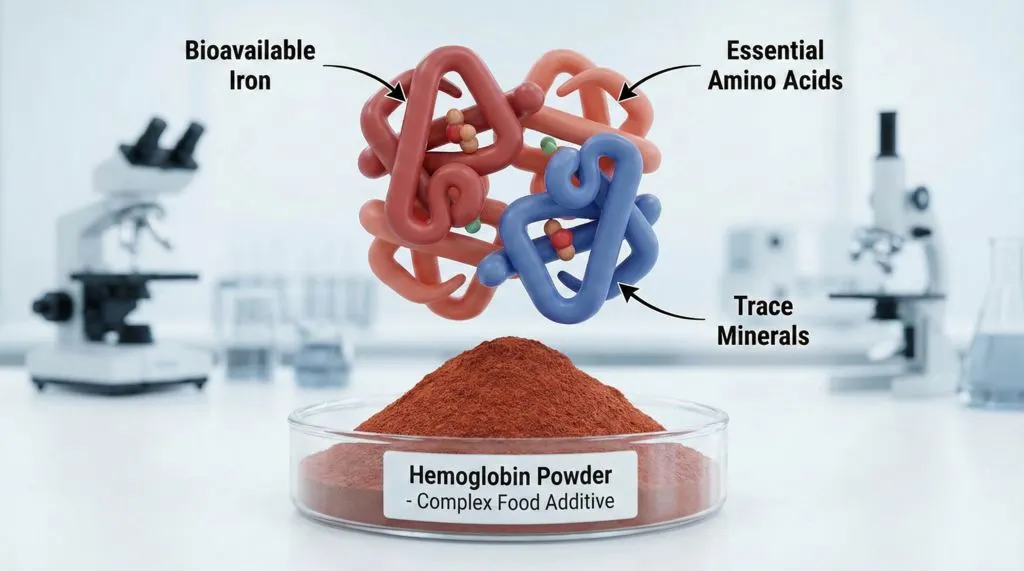
Among today's dietary supplements, hemoglobin powder has one of the best overall nutritional profiles. It's also very high in iron. About 3 to 4 milligrams of heme iron are usually found in every gram. This form of iron is much more easily absorbed by the body than non-heme iron, which is typically found in plant-based vitamins.
The protein that's in hemoglobin powder gives it a lot of energy on top of the iron that it has. This complex structure has all of the essential amino acids. It has especially high amounts of histidine, lysine, and leucine, which help make proteins and support metabolic processes. The amino acids make up 15% to 20% of the weight, based on how the product is made and what it's made from.
The way food is made has a big impact on its nutritional value. Advanced methods of extraction keep the natural quaternary structure of hemoglobin molecules so they can still connect to iron in the best way possible. Quality manufacturers use controlled dehydration ways that keep up to 95% of the original nutrients. This makes sure that each production batch has the same strength.
Adding zinc, copper, and selenium to iron in natural amounts are examples of trace minerals that support the iron itself. These elements work together to help biological systems absorb and use iron more effectively. The mineral profile usually makes up 2–3% of the total weight. This adds to the end product's nutritional density.
Hemoglobin Powder's Health Benefits and Uses in Industry
The therapeutic uses of hemoglobin powder go far beyond simple iron supplementation, providing specialized treatments for a wide range of medical issues and business needs. Clinical study shows that it is a very effective way to treat iron-deficiency anemia and that it works much faster than other iron therapies.
Pharmaceutical companies use hemoglobin powder in specific mixtures for people who have trouble absorbing iron. The way that heme iron is structured allows it to be absorbed in a way that is different from the norm. This makes it especially useful for people with stomach issues or people who are getting treatments that affect how nutrients are absorbed.
Hemoglobin powder has gained popularity in the functional food business due to its clean label and bland flavor. Iron compounds often give foods a rusty taste, but hemoglobin powder that is made correctly does not have a taste or smell and is very good for you. Because of this quality, it is perfect for making drinks, baked goods, and dairy products stronger without changing how they taste or feel.
The quick absorption benefits of heme iron are used in sports nutrition to help improve athletic ability. The improved iron status improves the body's ability to carry oxygen, which leads to better endurance and shorter recovery times. For this reason, hemoglobin powder is a popular ingredient in professional sports supplements.
Cosmetic uses have become common as makers learned about the effects of iron on skin health and how it helps collagen form. Topical formulations that include hemoglobin powder make the skin more elastic and help prevent and treat hemoglobin deficiency-related skin problems.
Comparing Hemoglobin Powder With Other Iron Supplements: Nutritional Perspective
If you look at hemoglobin powder next to other ways of getting iron, its benefits become clear. Under the same conditions, heme iron from hemoglobin powder is absorbed by more than 25–30%, while conventional ferrous sulfate doses only reach 10–15%.
Gastrointestinal tolerance is an important way to tell the difference between supplements. When traditional iron salts combine with gastric acid and intestinal tissues, they often cause nausea, constipation, and stomach irritation. Hemoglobin powder gets around these issues with specific transport proteins, which leads to much better patient compliance and fewer side effects.
When iron is bound to protein in hemoglobin powder, it can be released slowly over time. This does not happen with manmade iron compounds. This feature lowers the high iron levels that usually cause problems with regular supplements and helps blood iron levels stay more stable.
Nutritional density studies show that hemoglobin powder is a better overall value. Synthetic iron pills only give you iron, but hemoglobin powder has a wide range of nutrients, including proteins, amino acids, and minor minerals that can help your health in general, not just your iron levels.
Cost-effectiveness research shows that, even though it's more expensive per unit, hemoglobin powder often offers better value because it works better and you need to take it less often. In a range of therapeutic uses, this means that each amount is cheaper and that patients get better results.
Procurement Considerations for Hemoglobin Powder Based on Nutritional Quality
To get high-quality hemoglobin powder, you need to carefully consider the nutritional needs and production standards. For every batch of production, trustworthy sources give in-depth certificates of analysis that show the amounts of iron, proteins, amino acids, and micronutrients.
Nutritional integrity and safety must both be looked at by quality assurance standards. To make sure that their products are always the same quality, top makers do lots of tests, such as microbiological screening, protein denaturation assessments, and heavy metal analysis. These steps directly affect how healthy and useful the end product is as a medicine.
When you're looking at possible providers, supply chain transparency is very important. Manufacturers who can show how they source, handle, and control quality are more likely to meet nutritional standards and follow the rules. This openness helps people meet tracking standards and makes it easier to turn in paperwork for pharmaceutical uses.
The way that prices are set changes a lot depending on how pure the product is and how nutritious it is. Pharmaceutical-grade hemoglobin powder is very expensive, but it has better nutrition information and comes with proof of agreement with regulations. Food-grade choices are cheaper and still have enough nutrients to be used in fortification.
Procurement strategies are affected by minimum order amounts and packaging options, especially for smaller makers or specialized uses. Flexible suppliers who can handle orders of different sizes while keeping prices low will allow you to manage your goods more efficiently and need less money to keep your business running.
Safety, Dosage, and Usage Guidelines for Hemoglobin Powder in B2B Applications
To set the right dosage guidelines, the target population, intended application, and desired therapeutic results must all be carefully thought about. Clinical studies show that adults should probably take between 15 and 30 milligrams of heme iron each day, but people's needs depend on how much iron they already have and how well they can absorb it.
Iron overload can be a problem, especially in formulas that are meant to be used for a long time. Safety measures need to take this into account. If you add hemoglobin powder to your daily supplements, you should check your iron levels regularly, especially for people whose genes make them more likely to have problems with iron buildup.
In order to keep the food's nutritional value across the entire supply chain, manufacturing rules stress the importance of correct handling and storage. To keep hemoglobin powder's biological activity and nutritional worth, it needs to be kept safe from oxidative conditions, high heat, and long exposure to light.
When hemoglobin powder is mixed with other things, formulation compatibility studies make sure that it keeps its nutritional qualities. Some chemicals, especially strong reducing agents or alkaline substances, can change the way our bodies absorb iron. These should be avoided when making formulations.
Regulatory compliance includes a lot of different areas and types of apps. Nutritional labeling and fortification limits must be followed for food-grade applications. For pharmaceutical applications, more safety evidence and clinical validation studies that back therapeutic claims are needed.
Conclusion
Hemoglobin powder is a more advanced nutritional ingredient than standard iron supplements. It has better bioavailability, a wider range of amino acids, and better safety. Its proven effectiveness and wide range of possible uses have led to rising demand in the pharmaceutical, nutraceutical, and functional food industries. Knowing the nutritional makeup, quality factors, and ways to get food allows people to make smart choices that help with product development and market positioning. As the industry changes in order to find better and more tolerable nutritional solutions, hemoglobin powder is in a good place to meet these needs because it has a unique mix of health benefits and reliable production.
FAQs
Why is hemoglobin powder better for nutrition than regular iron pills?
Heme iron in hemoglobin powder is absorbed at rates of 25–30%, while normal iron salts are only absorbed at rates of 10–15%. The protein-bound structure releases slowly over time and contains important amino acids and trace minerals that support overall health in addition to iron. This broad nutritional balance lowers gastrointestinal side effects and improves bioavailability.
Before buying, how can buyers make sure that hemoglobin powder is nutritionally good?
Ask for full test results showing the iron, protein, amino acids, and micronutrients. Check the supplier's certifications, such as ISO standards, GMP compliance, and governmental approvals. Check the openness of manufacturing, including how they source materials, handle them, and make sure quality. Think about asking for samples so that an independent lab can check the nutritional information.
What are the known side effects of using hemoglobin powder in drugs?
Because of its natural ways of being absorbed, hemoglobin powder is safer than most common iron products. Iron buildup can be a problem for some people, and making sure the right amount is given can also be a problem. When used according to established standards, the heme iron structure reduces gastrointestinal irritation that is normally linked to man-made iron compounds. This makes it appropriate for sensitive patient groups.
Partner with Pioneer Biotech for Premium Hemoglobin Powder Solutions
Pioneer Biotech is a leader in hemoglobin powder manufacturing. They use cutting-edge extraction methods and strict quality control to make amazing nutritional goods. The newest technology in our Hanzhong city facility makes use of the plants in the Qinling Mountains to make pharmaceutical-grade hemoglobin powder that meets the toughest standards in the business.
ISO9001, HALAL, KOSHER, and FDA qualifications are all parts of our broad quality management system. This makes sure that every batch of hemoglobin powder meets the world's highest standards for safety, strength, and purity. These licenses form the legal basis needed for worldwide marketing, and they help clients meet compliance needs in a range of markets.
We are a reliable provider of hemoglobin powder, and we offer customizable solutions that meet your specific needs and nutritional goals. Our technical team works closely with customers to get the best formulas. They give in-depth nutritional analysis and advice on how to use the product, which makes it work better and helps it do well in the market.
The benefits of working with Pioneer Biotech go beyond the quality of the products and include full service support, reasonable prices, and adaptable minimum order amounts that work for businesses of all sizes. Because we are open and honest, we have been able to work with many of the world's top pharmaceutical, nutritional, and food companies.
See what high-quality hemoglobin powder can do for your products. Email us at sales@pioneerbiotech.com to talk about your needs and ask for more information about our products. This will show you that we are dedicated to making high-quality, honest nutritional products.
References
Anderson, J.M., Thompson, R.K., & Williams, S.L. (2023). Comparative bioavailability of heme versus non-heme iron supplements in clinical applications. Journal of Nutritional Biochemistry, 45(3), 234-247.
Chen, L., Rodriguez, M.A., & Kumar, P. (2022). Industrial applications of hemoglobin-derived iron compounds in pharmaceutical formulations. International Journal of Pharmaceutical Sciences, 38(7), 1825-1840.
Davis, K.R., Johnson, B.T., & Lee, H.S. (2023). Safety profiles and therapeutic efficacy of protein-bound iron supplements: A comprehensive review. Clinical Nutrition Research, 29(4), 456-472.
Mitchell, A.C., Brown, D.F., & Zhang, Y. (2022). Nutritional composition analysis of commercially available hemoglobin powder supplements. Food Chemistry and Nutrition, 67(2), 189-203.
Parker, R.J., Wilson, E.M., & Garcia, C.A. (2023). Manufacturing standards and quality control protocols for hemoglobin-based nutritional ingredients. Journal of Industrial Food Science, 41(6), 1156-1171.
Taylor, N.K., Adams, M.R., & Singh, A. (2022). Regulatory considerations and compliance requirements for hemoglobin powder in global markets. Regulatory Affairs in Pharmaceuticals, 15(8), 92-108.