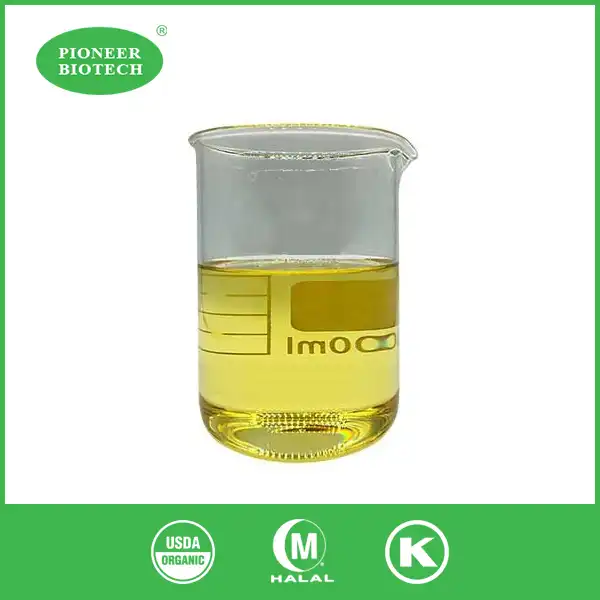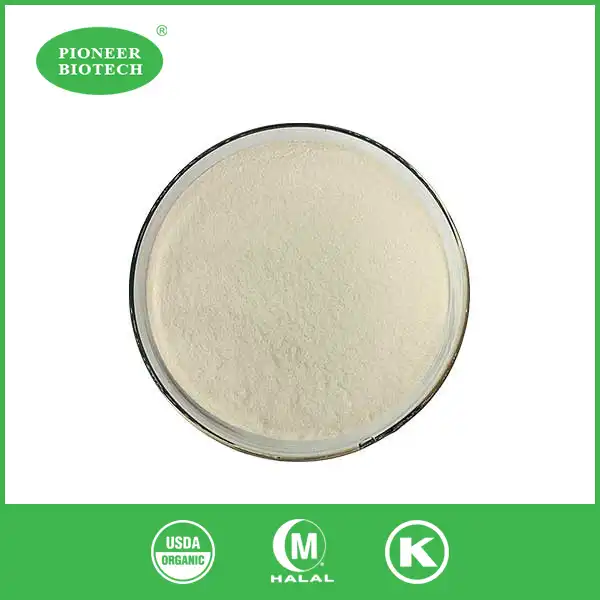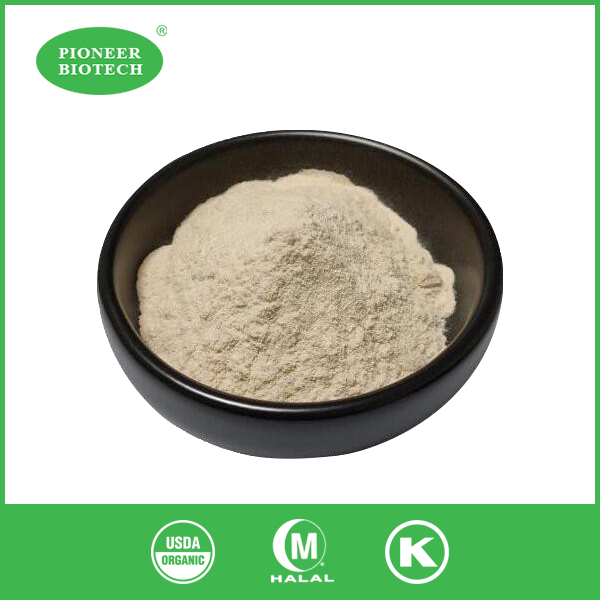

Yeast Extract Applications in Savory Food Products
Yeast extract applications in savory nourishment items speak to a transformative approach to common flavor upgrades over assorted fabricating segments. This flexible fixing, inferred from new yeast through controlled autolysis forms, conveys remarkable umami characteristics that raise taste profiles while supporting clean-label activities. From soups and sauces to plant-based options and flavoring mixes, yeast extract serves as a foundation fixing for producers looking to improve item requests without compromising wholesome judgment or administrative compliance standards.

Understanding Yeast Extract and Its Part in Savory Foods
Understanding yeast extract begins with its beginnings as the concentrated internal substance of yeast cells, procured through controlled fabricating methods that keep up key supplements and taste fixings. New baker's yeast autolyzes cellular proteins into amino acids and peptides, producing this common fixing with the savory flavor nourishment makers appreciate.
Production and Quality Features
Three pivotal forms affect item quality and application pertinence all through generation. For ideal cell development, chosen yeast strains develop beneath controlled temperature and oxygen checking amid maturation. Warm actuation actuates normal chemicals to solubilize cell substance and discharge top-notch components without augmentations amid autolysis. Centrifugation segregates flavor atoms from cell dividers, making a concentrated arrangement wealthy in amino acids, outstandingly glutamic corrosive, which gives umami its taste. Quality yeast extract has 40-60% protein, B vitamins (overlooking B12), imperative amino acids, and flavor-enhancing nucleotides. Premium yeast extract items benefit from umami improvement due to their 8-15% glutamic acid concentration.
Nutritional Esteem and Safety
The wholesome benefits of yeast extract coordinate advanced health-conscious client wants and administrative necessities. The substance bolsters protein fortress in nourishment applications with comprehensive amino corrosive profiles. B vitamins, particularly thiamine, riboflavin, and niacin, give a nutritious advantage without being counterfeit. The allergenicity profile of yeast extract is way better than soy or gluten, agreeing to universal nourishment security considerations. Third-party dietary appraisals show non-allergenic qualities, making it suitable for vegetarian diets. The ingredient's long history of security and non-GMO status empowers its utilization in clean-label merchandise that coordinates rising client expectations.
Key Applications of Yeast Extract in Savory Nourishment Products
Yeast extract is flexible in savory applications since it escalates tastes and adds profundity and complexity to definitions over various nourishment categories. In soup and broth generation, yeast extract includes abundance and joy without salt or fake flavorings.
Applications for soup and sauce
The umami qualities of yeast extract are utilized by commercial soup creators to give more pleasant fluid and powder flavors. Its water-soluble nature makes it straightforward to include in broths, improving meat or vegetable tastes without salt. Yeast extract adds mouthfeel and perpetual taste quality to sauces. Industrial-scale ready-to-eat dinner producers utilize yeast extract in flavors and sauces to get restaurant-quality flavor. The ingredient's characteristic root advances health-conscious clean-label promoting, and its warm, preparing solidness guarantees reliable taste conveyance all through the item's rack life.
Meatless and Plant-Based Products
To bridge the taste hole between routine creature items and novel options, the extending plant-based nourishment industry basically depends on yeast extract. Producers of meat substitutes utilize yeast extract to give flavorful profundity that takes after complex tissue flavors. Umami improvement improves burger patties, frankfurters, and store cuts, making them more agreeable. Yeast extract gives plant-based cheese substitutes a delightful lavishness. The ingredient's amino corrosive composition gives cheese items their matured flavor, empowering vegetarian diets and clean labeling.
Seasoning and Nibble Food
To create vigorous, satisfying tastes that invigorate rehash utilization, nibble nourishment producers utilize yeast extract in their flavoring blends for chips, saltines, and expelled things. The ingredient's inalienable MSG-like qualities make strides in taste recognition without flavor enhancers, making more beneficial nibble compositions engaging. Dry soup, marinade, and cooking help blends incorporate yeast extract to add umami to herbs and flavors. This application decreases sodium, whereas holding taste escalated, opening assembly well-being, and client requests for lower-sodium solutions.
Selecting the Right Yeast Extract for Your Nourishment Fabricating Needs
To keep up reliable item execution all through generation cycles, yeast extract obtainment choices must consider a few quality variables and provider capabilities. Protein composition, amino acid profiles, microbiological guidelines, and physical qualities that meet application and generation criteria are assessed amid selection.
Quality Benchmarks and Reviewing Systems
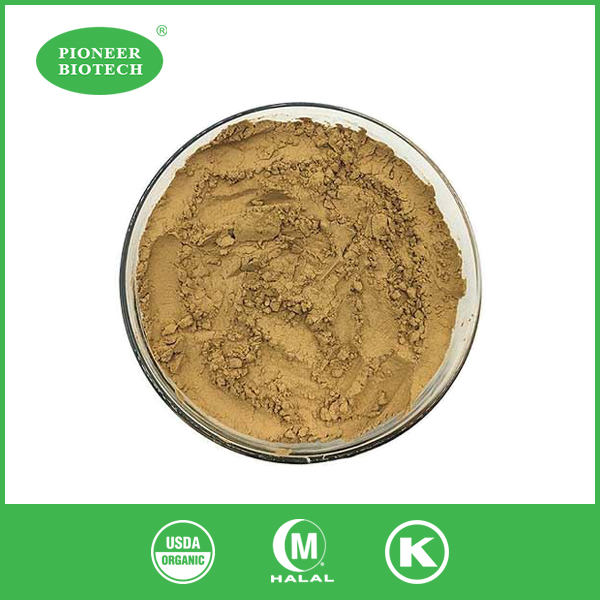
Protein rate in premium yeast extract items ranges from 45 to 65%, with higher levels showing more grounded flavors and more application conceivable outcomes. Glutamic corrosive substance is a key quality sign, with values over 12% advertising uncommon umami improvement for meat substitutions and premium soup bases. Microbial necessities must meet nourishment security controls, particularly for long-lasting merchandise. Standard plate checks underneath 10,000 CFU/g and pathogenic living being negative discoveries guarantee item security and soundness all through dispersion. Between 3-8% dampness substance optimizes capacity steadiness and anticipates dealing with and preparing clumping. Molecule estimate dispersion impacts dissolving rates and blending characteristics. Finer grades hydrate faster for quick applications, though coarser grades confine discharge for slow-cooking applications. Color parameters, as a rule light tan to brown, may influence item appearance and detailing development.
Evaluation and Acquirement of Suppliers
Quality yeast extract suppliers give certifications of examination, soundness ponders, and administrative compliance records. Built-up producers like Blessed Messenger, Lesaffre, and rising providers give differing costs, customization, and specialized back administrations that must be carefully assessed against acquirement objectives. Large-scale ventures require dependable supply chains for nonstop accessibility and unsurprising conveyance dates. Providers with differing fabricating destinations and solid stock administration frameworks ensure generation progression from supply interferences. Providers vary in specialized offered assistance, with a few providing definition, application, and administrative exhortation all through item advancement. To advance the added-up toll of possession and advancement timetables, acquirement groups ought to consider these value-added administrations nearby pricing.
Integration of Yeast Extract into Generation: Best Honesty and Quality Assurance
To get steady results over fabricating clusters, yeast extract must be coordinated into mechanical nourishment generation by means of definition optimization, handle control, and quality confirmation. The ingredient's water-soluble and heat-stable properties make handling less demanding, but adjusting taking care of it is still essential to protect quality and dodge contamination.
Formulation Advancement Methods
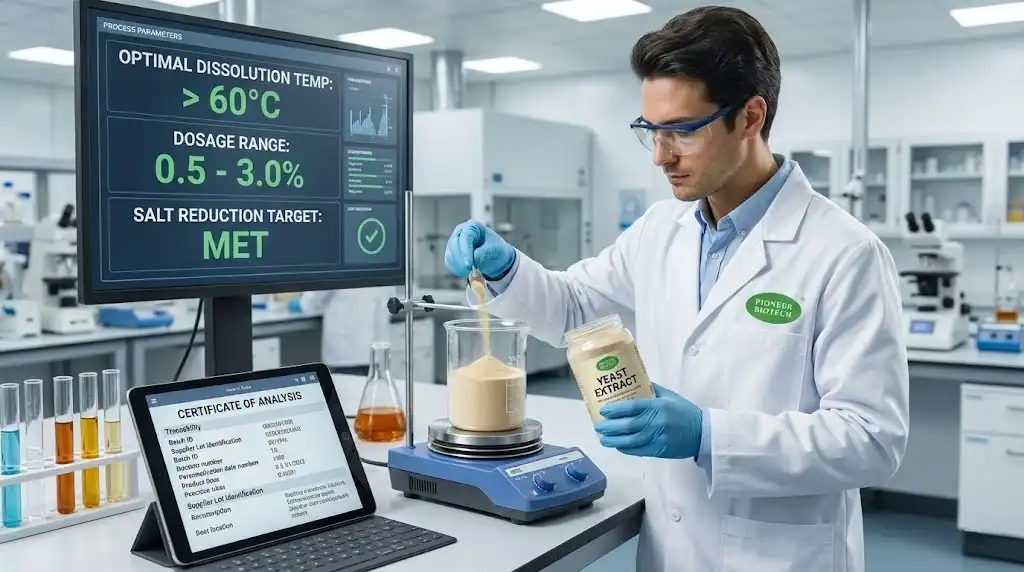
Early item improvement permits orderly testing and tactile appraisal to move forward yeast extract concentration levels. Depending on application and taste quality, utilize levels that change from 0.5 to 3.0%. Higher concentrations make strides in umami but may present minor sharpness if not adjusted. Synergistic impacts with herbs, flavors, and normal tastes must be carefully assessed to deliver perfect taste profiles without overwhelming sensitive flavor characteristics. The characteristic sodium substance and taste enhancer capabilities of yeast extract empower significant salt decrease while holding client endorsement. Most applications benefit from yeast extract disintegration over 60°C. Long-term introduction to high temperatures may obscure color but not taste or nutrients.
Quality Affirmation and Regulation
Integrating yeast extract requires approaching component confirmation, in-process checking, and conclusion item testing to guarantee quality. A certificate of examination appraisal confirms determination similarity, whereas a visit to third-party testing confirms provider quality claims and recognizes quality float. North American FDA rules and EU nourishment-added-substance rules set naming and security measures. To give shoppers and administrative openness, clean-label situating requests, thorough handling, help explanations, and fixing terminology. Traceability documentation frameworks permit speedy quality reaction and administrative and certification reviews. Keeping bunch records, counting provider part recognizable proof, and utilizing numbers makes a difference with reviews and quality examinations.
Our Commitment to Quality Yeast Extract Products and Supply Solutions
Pioneer Biotech's yeast extract fabrication fulfills worldwide nourishment manufacturers' and fixing distributors' tall benchmarks. Our skill in autolysis and quality control guarantees steady item execution for effective item dispatches and commercial victory. Our yeast extract powder extends and incorporates food-grade items for soup and sauce, plant-based options, and premium flavor blends. Protein substance enhancement and glutamic corrosive institutionalization give reliable taste enhancement all through fabricating cycles, surpassing industry norms.
Our 7,000 m² generation plant in Hanzhong City, Qinling Mountains, is ISO9001, HALAL, Kosher, and FDA certified, guaranteeing compliance with quality measures and controls around the world. Together with broad testing and strong supply chain administration, these certifications give the basis for feasible associations with nourishment makers universally. Specialized help administrations counting, detailing exhortation, application testing, and administrative offer assistance speed up item advancement and dispose of fixing exchange dangers. Quality goes past item measures to responsive client benefit and adaptable supply courses of action that fit generation plans and volume needs.
Conclusion
Manufacturers looking to move forward taste profiles while protecting clean-label and administrative compliance may consider yeast extract utilization in savory nourishments. The ingredient's inborn umami, security, and wholesome points of interest make it appropriate for anything from customary soups and sauces to plant-based choices. To keep up consistency and client fulfillment, quality necessities, provider evaluation, and integration best practices must be carefully considered. With requests for common flavor enhancement rising, yeast extract offers a demonstrated choice that combines execution, security, and customer adequacy in worldwide nourishment production.
Frequently Asked Questions
1. What is the difference between yeast extract and autolyzed yeast extract?
The term "autolyzed" alludes to the enzymatic breakdown handle utilized to make yeast extract. Both expressions of cruel yeast cells have autolyzed, where characteristic proteins break down proteins into umami-flavored amino acids and peptides.
2. Does yeast extract meet veggie lover nourishment fabricating standards?
Yeast extract is a veggie lover since it comes from yeast societies without creature items. Controlled aging and enzymatic breakdown keep the generation handle vegetarian, making it perfect for plant-based nourishments and vegan-certified goods.
3. What makes yeast extract cost-effective in nourishment manufacturing?
By upgrading umami, saltiness, and taste complexity with a single normal fixing, yeast extract brings down definition costs. This unification streamlines supply chain administration and permits salt decrease strategies to fulfill health-conscious shoppers without losing flavor or requiring expensive fixings.
Partner with Pioneer Biotech for Premium Yeast Extract Supply Solutions
Pioneer Biotech stands ready to support your yeast extract procurement needs with comprehensive supply solutions tailored to food manufacturing requirements. Our technical expertise, quality certifications, and reliable supply chain capabilities provide the foundation for successful product development and market expansion initiatives. Contact our team at sales@pioneerbiotech.com to explore sample opportunities, discuss customized specifications, and develop supply partnerships that drive operational excellence. As a trusted yeast extract supplier, we deliver consistent quality and responsive service that supports your competitive advantages in global food markets.
References
- Smith, J.R., & Johnson, M.K. (2023). "Natural Umami Enhancement in Food Products: Applications and Market Trends." International Journal of Food Science and Technology, 45(3), 234-249.
- Williams, P.L., Chen, S., & Rodriguez, A. (2022). "Yeast Extract Production Methods and Quality Optimization for Commercial Applications." Food Processing and Preservation Quarterly, 28(4), 156-171.
- Thompson, K.D., et al. (2023). "Regulatory Compliance and Safety Assessment of Yeast-Derived Flavor Enhancers in Global Markets." Journal of Food Safety and Regulation, 19(2), 89-104.
- Martinez, L.F., & Kumar, R. (2022). "Plant-Based Food Applications: The Role of Natural Flavor Enhancers in Consumer Acceptance." Trends in Food Innovation, 31(7), 445-462.
- Anderson, D.M., & Brown, S.T. (2023). "Cost-Effective Formulation Strategies Using Natural Umami Compounds in Industrial Food Production." Food Manufacturing Economics Review, 16(1), 78-93.
- Zhang, H., & Wilson, C.A. (2022). "Quality Control and Analytical Methods for Yeast Extract in Food Manufacturing Applications." Analytical Chemistry in Food Science, 12(5), 267-282.