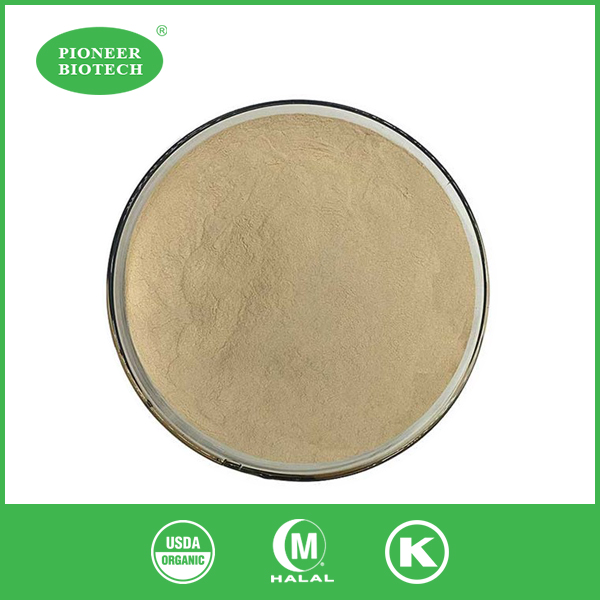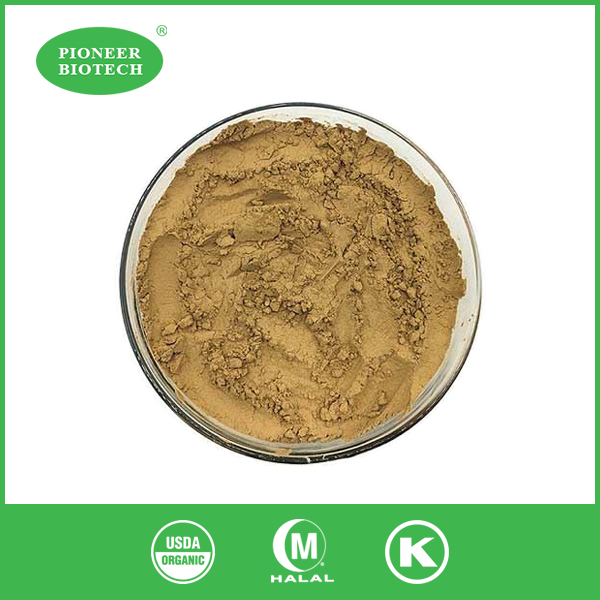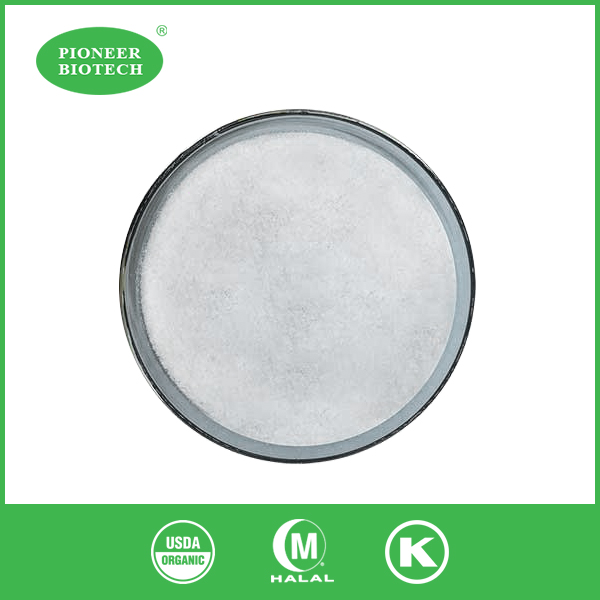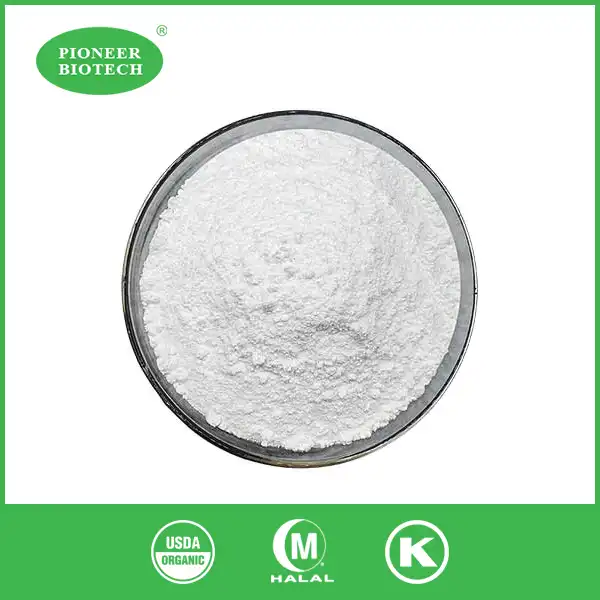

Sodium usnate is a huge step forward in natural preservation technology. It gives makers a strong option for preserving products naturally instead on of synthetics. This natural substance is made from usnic acid, which comes from lichen. It has great antimicrobial properties and is also very biocompatible. Its unique molecular structure stops bacteria, fungi, and mold from growing without the safety issues that come with traditional chemical stabilizers. As rules get tougher and consumers expect clean-label products, sodium usnate has become an important ingredient for smart manufacturers looking for long-lasting ways to make their products eco-friendly.
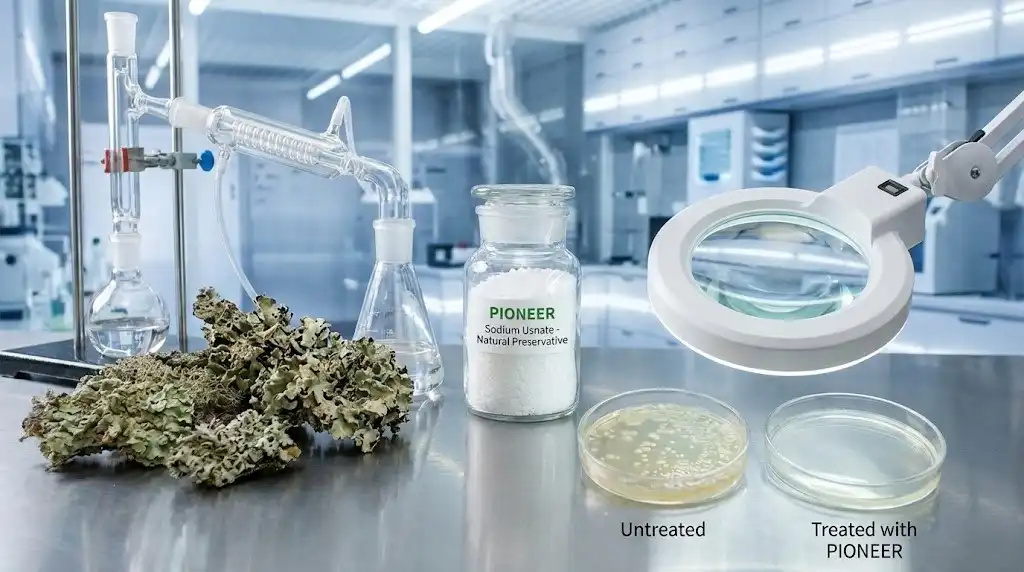
The Growing Demand for Natural Preservatives in B2B Procurement
The move around the world toward methods for preserving nature shows that the market is changing because people know more about these issues and the laws are changing too. For a long time, the cosmetics, drug, and personal care industries have used mostly synthetic preservatives. But now that people are worried about their health and environmental effect, buyers are looking for safer options.
In global B2B markets, sustainability and clean-label ingredients have become very important. This has forced makers to rethink how they make their products. This change goes beyond what customers want and includes rules that agencies around the world are using to make synthetic preservatives tighter. This is shown by the European Union's changing rules about cosmetics and the FDA's greater focus on certain chemicals.
Because of their strong antimicrobial qualities and high biocompatibility, natural alternatives like sodium usnate have received a lot of attention. As more people become interested in this, it fits with buying trends that try to find a balance between making sure products work, keeping customers safe, and following the rules in a wide range of global markets. Manufacturers know that using natural stabilizers early on puts them in a good spot for future changes in the law and meets the needs of customers as they change.
Market Drivers Behind Natural Preservative Adoption
There are a few important reasons why the switch from man-made to natural stabilizers is happening faster. Informing people about the possible health risks of parabens, formaldehyde releasers, and other man-made chemicals has raised the demand for better options. At the same time, the growth of certifications for organic and natural products means that makers have to reformulate their products using natural ingredients that are allowed.
Regulatory Landscape Shifts
Regulatory bodies in the world's biggest markets are continuing to make it harder to use manmade preservatives. The European Commission's current study of cosmetic ingredients and similar efforts in North America and Asia-Pacific show a clear move toward systems that protect natural things. These changes in the rules make it easier and harder for producers who are willing to spend money on natural alternatives.
Understanding Sodium Usnate - Chemical Nature and Health Profile
Sodium usnate is the sodium salt of usnic acid, which is a dibenzofuran substance that is mostly taken from different types of lichen. This one-of-a-kind natural chemical has amazing antibacterial abilities thanks to its unique molecular structure. It works well as a preservative because it has hydroxyl and carbonyl functional groups in its makeup.
In contrast to artificial preservatives, sodium usnate has a different antimicrobial process. Instead of causing wide-ranging damage to cells, it directly targets the metabolic pathways of microbes, throwing ATP production and protein production processes out of whack. This focused method lowers the chances of developing resistance, which is a problem with standard preservative systems.
Chemical Structure and Antimicrobial Mechanism
The molecular structure of sodium usnate allows it to work as an antimicrobial agent without harming human skin or mucous tissues. It is especially useful for sensitive uses because it can get through microbial cell walls without hurting human tissue. Studies show that sodium usnate messes up microbial metabolism and doesn't cause much inflammation or sensitivity in people.
Safety Profile and Toxicological Data
Current safety data shows that sodium usnate is not very harmful when it is used in concentrations that are suggested. Studies looking at skin discomfort, the chance of becoming hypersensitive, and overall harmful effects on the body show that these natural ingredients are generally safer than many man-made options. It is considered safe because regulators in many markets, such as those for drugs and cosmetics, have approved it.
The compound is naturally made and breaks down over time, so it is good for the earth and meets the standards for commercial use. Because sodium usnate is safe, effective, and environmentally friendly, it is a great option for makers who want to make long-lasting sustainable formulations.
Advantages of Sodium Usnate Over Synthetic Preservatives
Sodium usnate has very strong benefits that make it better than most other man-made stabilizers. Because it is highly effective at killing microbes and is not harmful to living tissue, it is especially good for products aimed at sensitive skin and health-conscious people. The compound successfully stops bacteria, fungi, and molds across a wide pH range. This gives you more options for how to use it in a formula, which synthetic compounds usually can't provide.
The attraction of sodium usnate is increased by environmental factors. Unlike manufactured chemicals that build up in the environment and cause problems, sodium usnate breaks down naturally and completely. This environmental compatibility is in line with the goals of long-term business sustainability and helps brands stick to their promises of being environmentally friendly.
Performance Comparison with Traditional Preservatives
Compared to parabens, formaldehyde releasers, and other man-made stabilizers, sodium usnate works better in a number of important ways. It can fight both gram-positive and gram-negative bacteria, along with different types of fungi. It often works better than single-compound synthetics, which need to be used in combination for broad-spectrum defense.
Regulatory and Consumer Acceptance Benefits
Since sodium usnate comes from nature, it is easier for areas that focus on natural and clean-label ingredients to quickly approve it for use. Studies that look at consumer acceptance consistently show that people prefer products with natural preservatives over man-made ones. This gives the brand a better market place and a chance to stand out from the competition.
Sodium Usnate in Cosmetic and Pharmaceutical Applications - Use Cases and Formulation Insights
Sodium usnate is a versatile natural preservative that can be used in both powder and solution form in cosmetic and pharmaceutical uses. Each form has its own stability, ease of inclusion, and compatibility with different formulation types. The powder form has a longer shelf life and is easier to store, but the solution form mixes more easily with water-based systems.
It is still very important to keep the right amount of concentration so that the antimicrobial performance does not hurt the texture or user experience of the product. The amount that is normally used is between 0.1% and 0.5%, based on how it is used, the pH level, and other things that affect the mixture. These levels keep the product safely and maintain the gentle nature of sodium usnate that makes it useful for sensitive uses.
Successful Integration Case Studies
Several case studies show that sodium usnate can be successfully used in a wide range of products. Sodium usnate is added to skincare creams to increase their microbial stability without changing their structure or causing skin sensitivity. Its antimicrobial properties and ability to not affect taste make it useful in oral care items. Topical drugs that are used for medical purposes meet the safety standards for protection and safety.
Formulation Optimization Strategies
When you want to use sodium usnate in a recipe, you need to think about the pH, the temperature, and how well the ingredients work together. The substance maintains its properties best in pH ranges that are slightly acidic to neutral. This means it works well with most cosmetics and medicines. A temperature processing factor is keeping the temperature below the level that would damage the antimicrobial strength during manufacturing.
Strategic Procurement of Sodium Usnate for B2B Clients
To get sodium usnate in a way that works, you need to pay attention to quality standards and how suppliers are checked. CAS registration, GMP compliance, and pharmacopeial standards make sure that products are safe and consistent. These approvals show that the stuff is good enough for business use and meets high standards used around the world.
It is still important to avoid taking too many chances when it comes to trusting suppliers who have quality control methods and open lines of communication about their supply chains. Honest sellers back up their product specs and safety claims with full analysis certificates, stability data, and regulatory papers.
Quality Assurance and Supplier Selection
The global sodium usnate market has well-known producers with a range of prices, especially for large orders that are popular in B2B transactions. Supplier evaluation should look at quality systems, production capacity, compliance with rules, and the ability to give technical help. Long-term relationships with qualified suppliers make sure that you always have what you need and get help with technical issues to make your formulations better.
Logistics and Inventory Management
Logistics that are under control, such as the right storage conditions, on-time shipping, and reliable sample supply, help with efficient inventory control. To keep sodium usnate stable, it has to be stored in a certain way. This makes it very important for the seller to be able to handle logistics so that the product stays intact. Business-to-business customers can get high-quality materials with less chance of supply disruption when they use comprehensive procurement methods.
Pioneer Biotech's Sodium Usnate Solutions
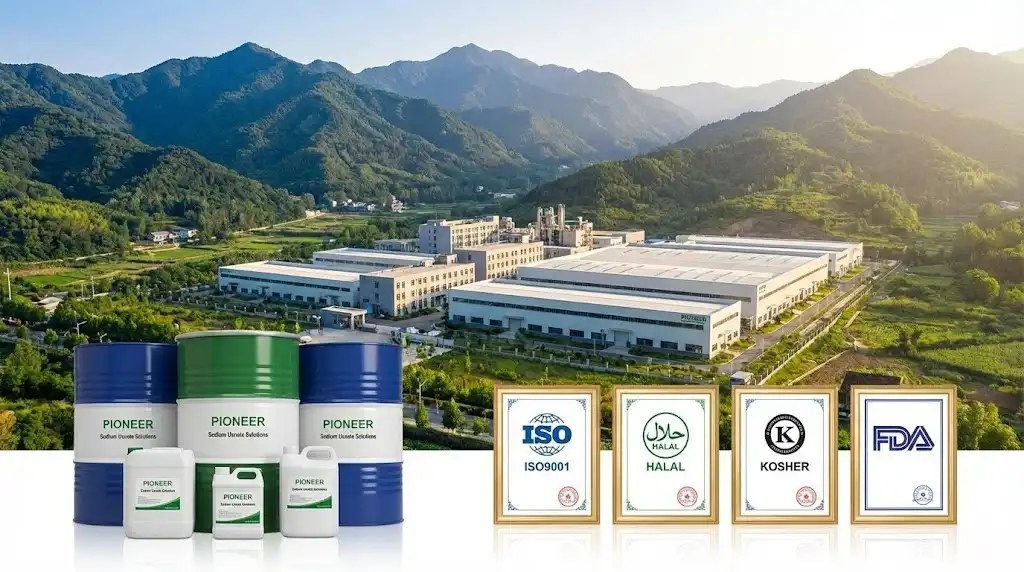
Pioneer Biotech focuses on providing high-quality natural preservative chemicals, and sodium usnate is one of our most important products. Our factory in Hanzhong city, which is in the famous "Medicine Herbs Valley of Qinling Mountains," is over 7,000 square meters in size and has ISO9001, HALAL, KOSHER, and FDA certificates. These credentials make sure our goods meet tough quality standards around the world while also meeting a range of regulatory needs.
From the time we get the raw materials to the time the finished product is tested, our sodium usnate solutions go through strict quality control processes. To help you with your formulation development and regulatory submissions, we offer a wide range of detailed paperwork, such as stability studies, analytical certificates, and data on how to follow the rules. Our global supply skills can handle both pilot-scale projects and the needs of commercial production.
Technical Support and Customization Services
We help businesses around the world with scalable bulk supply capabilities, expert advice on custom formulations, and quick sample delivery to make evaluation easier. Our technical team helps with product development by giving advice on formulations, checking stability, and making sure that products follow the rules. This all-around service helps makers safely switch from synthetic to natural preservatives without hurting the quality of the product or the competitiveness of the market.
Conclusion
Sodium usnate works much better than other natural and manufactured preservatives at killing microbes, and it is also safer for people and the environment than many other options. Its ability to work on a wide range of problems, approval by regulatory bodies, and appeal to consumers make it an important factor for makers who want to find long-lasting ways to keep their products fresh. Because the substance has good formulation qualities and can be used in cosmetics, pharmaceuticals, and personal care products, it is a great choice for many types of products. Sodium usnate is a smart investment in future-ready formulation technology that improves product safety while supporting brand differentiation and market positioning as regulatory pressure on synthetic preservatives continues to rise and customer demand for natural ingredients rises.
FAQs
Is it safe to use sodium usnate on places with sensitive skin?
Yes, sodium usnate is not very likely to cause irritation or an allergic reaction, so it works very well in sensitive formulas. When used at the suggested strengths, clinical studies show that it works well with skin and has a very low chance of causing sensitization. Its soft shape makes it especially useful for things that are meant to treat delicate skin or for use by children.
How does the price of sodium usnate compare to that of man-made preservatives?
While the upfront costs might be higher than simple manmade preservatives, the overall benefits are often more valuable in the long run. These benefits include following the rules, being accepted by customers, and being environmentally friendly. The lower chance of having to reformulate a product because of changes in the law and better market positioning often offsets higher material costs by making the product work better and setting the brand apart.
Can sodium usnate be mixed with other natural stabilizers in formulations?
Yes, sodium usnate works very well with other natural stabilizers, and they often work better together than alone. Using plant-based antimicrobials or other natural preservatives in combination with other antimicrobials can increase the range of microbes that are killed. This might lower the amount of antimicrobials that are needed, which gives more freedom in how products are made and helps to lower costs.
Partner with Pioneer Biotech for Premium Sodium Usnate Solutions
Find out how natural preservation can change things with Pioneer Biotech's top-quality sodium usnate options. As a top producer of sodium usnate, we offer the best quality guarantees, extensive technical help, and dependable worldwide delivery options to meet your needs. We process natural ingredients and have cutting-edge factories with international certifications. This guarantees that you always get high-quality materials that go beyond the standards of the industry. Our sodium usnate has the performance and safety that your goods need, whether you're making new drugs, cosmetics, or personal care products. If you want samples, technical help, or information about our bulk prices, email us at sales@pioneerbiotech.com. Let Pioneer Biotech help you make the switch to environmentally friendly preservation technology that makes your products safer and supports your brand's promise to use natural, effective ingredients.
References
Cocchietto, M., Skert, N., Nimis, P. L., & Sava, G. (2002). A review on usnic acid, an interesting natural compound. Naturwissenschaften, 89(4), 137-146.
Ingólfsdóttir, K. (2002). Usnic acid: a review of its biological activity. Phytochemistry Reviews, 1(3), 243-254.
Guo, L., Shi, Q., Fang, J. L., Mei, N., Ali, A. A., Lewis, S. M., ... & Guo, L. (2008). Review of usnic acid and Usnea barbata toxicity. Journal of Environmental Science and Health Part C, 26(4), 317-338.
Ribeiro-Costa, R. M., Alves, A. J., Santos, N. P., Nascimento, S. C., Gonçalves, E. C., Silva, N. H., ... & Honda, N. K. (2004). In vitro and in vivo properties of usnic acid encapsulated into PLGA-microspheres. Journal of Microencapsulation, 21(4), 371-384.
Campanella, L., Crescentini, G., & Avino, P. (1998). Chemical composition and nutritional evaluation of some natural and commercial food products based on Undaria pinnatifida. Journal of Food Composition and Analysis, 11(3), 204-212.
Francolini, I., Norris, P., Piozzi, A., Donelli, G., & Stoodley, P. (2004). Usnic acid, a natural antimicrobial agent able to inhibit bacterial biofilm formation on polymer surfaces. Antimicrobial Agents and Chemotherapy, 48(11), 4360-4365.