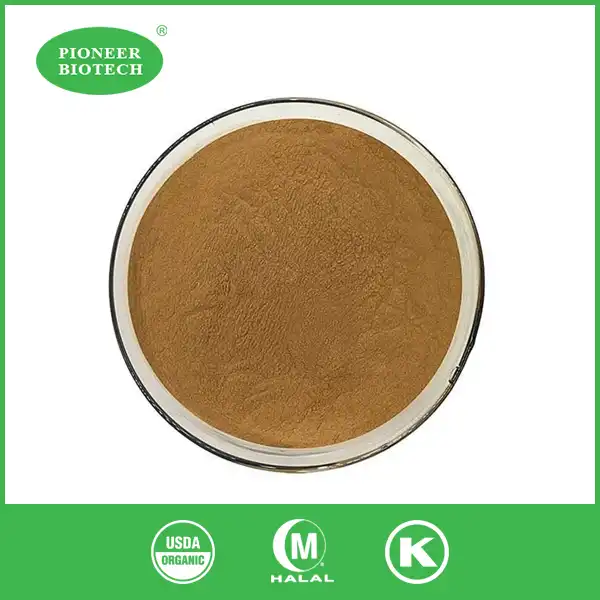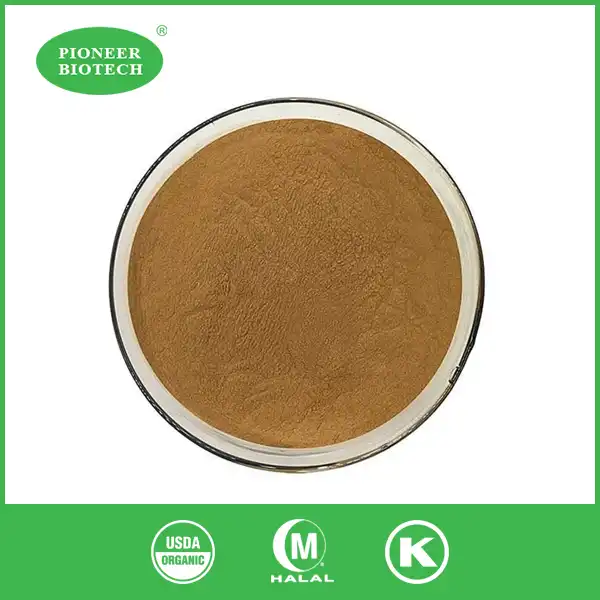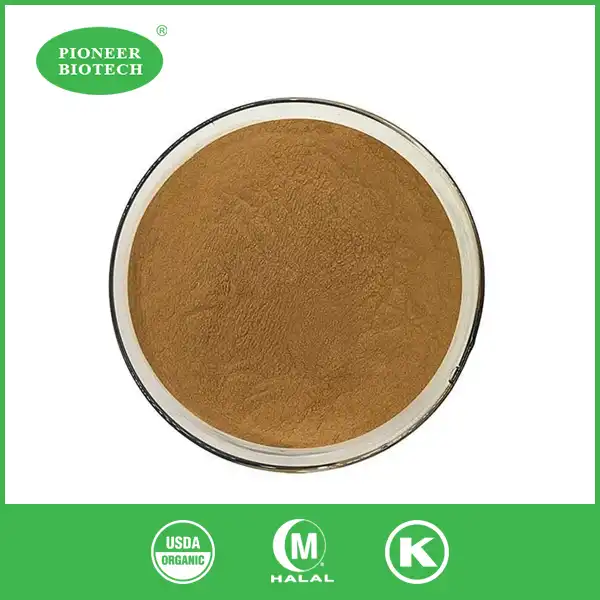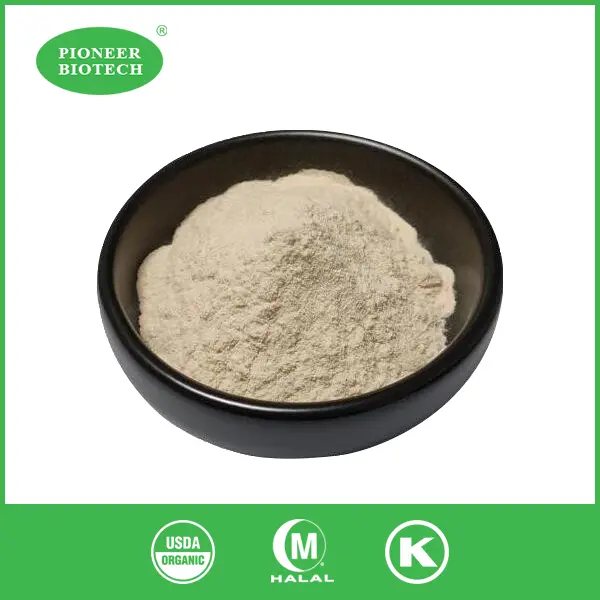

When choosing high-purity usnic acid powder for cosmetics, you need to pay attention to how pure the powder is, how the seller is certified, and whether the powder will work with your formulas. This antimicrobial compound has strong bioactive properties and has recently gotten a lot of attention in the cosmetics world. It is naturally derived from different kinds of lichen. When you buy usnic acid powder for your products, make sure you get it from sources that offer 98% purity or higher and include full Certificates of Analysis. This will make sure that the products work well and that your cosmetic company follows the rules.
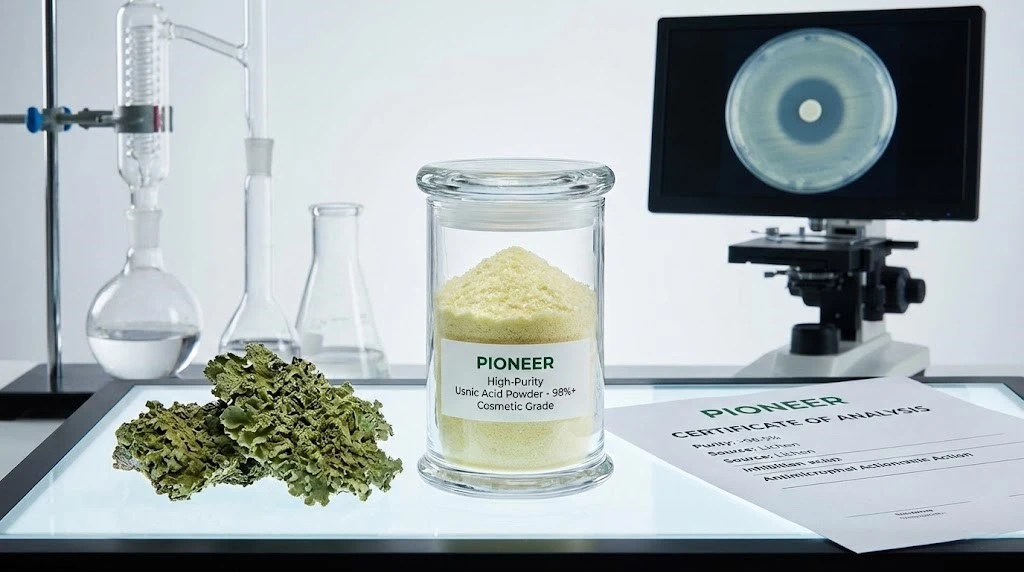
Defining High-Purity Usnic Acid and Why It Matters
Knowing the basic properties of usnic acid and why it's important in cosmetics gives you the information you need to make smart buying decisions. In today's world of cosmetic making, this chemical from lichen has special benefits that make it better than man-made options.
What is Usnic Acid Powder?
Usnic acid is a naturally occurring dibenzofuran product that is mostly taken from different kinds of lichen, like Usnea barbata and Cladonia rangiferina. This yellow crystal is very bioactive and stable. This makes it a good natural antimicrobial agent for people who make cosmetics. Usnic acid has two functions because of its chemical makeup. It has antioxidant and antimicrobial qualities, which make products more effective.
Broad-spectrum antimicrobial action of usnic acid against gram-positive bacteria, fungi, and some viruses. Also, by preventing oxidative degradation in makeup products and protecting skin, its antioxidant properties are helpful. Due to its dual traits, usnic acid powder is especially useful in natural cosmetics for anti-aging, anti-acne, and preservation.
Purity Standards and Quality Indicators
Pharmaceutical-grade materials reach 99.5% purity in high-purity usnic acid powder, which usually has an active compound concentration of 98% or higher. The last few percent is made up of lichen chemicals and moisture. Procurement workers need to know these purity levels so they can judge product quality and figure out how to use these products in their formulation strategies.
Mixed extracts with usnic acid and other lichen chemicals provide different benefits but may be hard to get right because of the different things they are made of. Pure usnic acid powder enables precise dosing and consistent batch-to-batch results by providing predictable performance qualities. This ability to always get the same results is very important for large-scale manufacturers that need to make regular mixtures.
Impact of Purity on Cosmetic Product Performance
The purity levels of usnic acid in cosmetics affect how stable, effective, and safe the mixtures are. Higher purity levels show better antimicrobial performance at lower amounts. This lowers the risk of skin irritation while keeping the product effective. Also, when you store or move pure compounds, they stay stable longer. This increases the product's shelf life and makes the formulation process easier.
When you use high-purity ingredients, regulatory compliance is easier because impurities can change the way safety evaluations and product registrations are done. Ingredients that are clean make it easier for products to get into markets in other countries. This also helps with "clean beauty" branding that current customers want more and more.
Core Criteria for Selecting High-Purity Usnic Acid for Cosmetics
In order to successfully procure usnic acid powder, a number of things must be carefully considered. These things help make sure that the ingredients work their best while also keeping costs down and the supply line reliable.
Purity Verification and Certification
Usnic acid purity and quality features are primarily checked using Certificates of Analysis. Comprehensive CoA records should include tests for heavy metals, microbes, and pesticides, as well as purity assays using analytical methods that have been proven to work, like HPLC or LC-MS. Third-party testing from accredited labs gives extra proof and helps with regulatory applications.
Cosmetic-grade approvals make sure that the products meet global beauty industry standards. At the same time, pharmaceutical-grade labels provide the best quality guarantee for high-end products. ISO 22716 compliance means following Good Manufacturing Practices for cosmetic products, which gives people trust in the quality and safety of the production.
Source and Extraction Methods
Long-term access to ingredients is protected by sustainable buying methods, which also help the environmentally friendly projects that are important to today's cosmetic brands. Suppliers who use lichens from the wild should show that they are collecting them in a way that doesn't hurt the environment. On the other hand, suppliers who are working on cultivation methods will be able to provide more reliable supply lines.
Methods of extraction have a big effect on how pure things are and how much bioactivity they keep. Advanced processes like supercritical CO2 extraction or selective crystallization help keep the integrity of the compounds and get even better levels of purity. These methods also get rid of as many leftover solvents and unwanted byproducts as possible, since these could affect the performance or safety of the mixture.
Supplier Reliability and Transparency
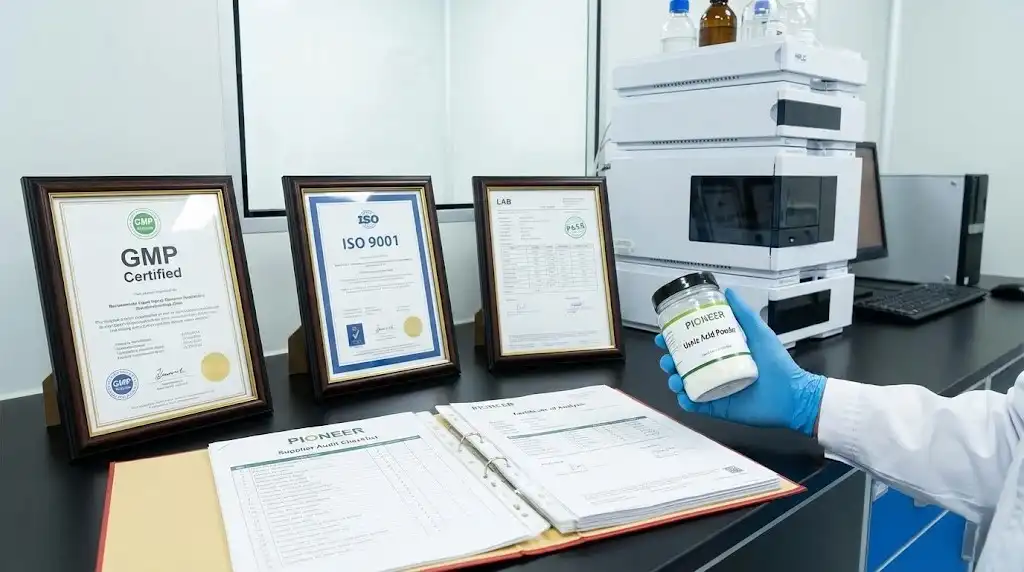
It takes a look at a lot of different certification standards and ways of working to rate the qualifications of suppliers. When relevant, important qualifications are GMP compliance, ISO 9001 quality management systems, and organic certifications. These qualifications show that quality control and operational excellence are used to make sure that the ingredients are always available.
From getting the raw materials to delivering the final product, traceability tools make the whole supply chain visible. The ability to track batches helps with quality investigations and regulatory compliance. At the same time, open contact helps solve problems and get the most out of the supply chain. During unexpected problems, reliable providers also have backup plans for sourcing to make sure they can always get supplies.
Pricing and MOQ Considerations for B2B Buyers
When you want to get good quality and save money at the same time, you shouldn't just look at the price of one item. You should look at the total value. Higher purity levels might come with higher prices, but they often work better even when used less, which could lower the overall cost of the formulation. Also, constant quality means that you don't have to deal with waste and the high costs of reformulating recipes that come with ingredients that don't work as expected.
Minimum order amounts should be in line with plans for making and storing goods. Suppliers with flexible MOQs can better adapt to changes in demand, and producers that make a lot of products may want to buy in bulk. When you get something from another country, you need to think about shipping and operations more carefully. You need to look at the total landed costs and how reliable the delivery is.
Comparing Usnic Acid Powder with Other Forms for Cosmetic Use
Knowing the pros and cons of different usnic acid forms makes it possible to choose the best one for a given manufacturing capability and formulation need. Each type has its own special features that affect how it is made and how well it works in the end.
Powder vs Extract vs Capsules – Which is Best for Cosmetics?
The most formulation options are provided by pure usnic acid powder, which enables exact concentration control and compatibility with a variety of cosmetic bases. The solid powder mixes easily with oil phases and can be used in emulsions, serums, and products that don't contain water. Because they can be used in so many different ways, powder types are perfect for custom mixes and specialized uses that need certain concentration levels.
While liquid extracts make some formulation processes easier, they might have carrier solvents in them that affect the properties of the end product. Forms of extract often include lichen chemicals that may help the extract work better and lower the concentration of usnic acid per unit weight. While encapsulated forms are more stable, they don't work as well in cosmetics because the way they are released is meant for oral consumption instead of topical use.
Pure Usnic Acid Powder vs Mixed Products
Comparative studies show that pure usnic acid powder works better at killing microbes than mixed lichen extracts. Standardized purity allows for regular dosing and reliable effectiveness across all production batches. Mixed products might work over a wider range of areas because they have extra bioactive substances. However, these products are harder to standardize and make sure that the quality is consistent.
Shelf life considerations favor pure compounds, which show better stability under normal cosmetic storage circumstances. The secondary compounds in mixed goods may break down over time, which could change the color or smell of the product in a way that is not wanted. These things are especially important for items that need to last a long time on the shelf or that are sent to other countries.
Case Study: Usnic Acid Powder vs Other Natural Antibiotics in Cosmetics
Recent studies on formulations that compare usnic acid with tea tree oil, zinc pyrithione, and other natural antimicrobials show that each has its own benefits in certain situations. Usnic acid shows better stability in liquid systems and a wider pH tolerance than many other plant-based antimicrobials. Safety ratings for this ingredient show that it is less likely to cause irritation at effective concentrations. This makes it a good choice for sensitive skin formulations.
Due to the effectiveness and natural origin of usnic acid, consumer preference testing shows that these goods are well received. Although the yellow color of usnic acid can be useful in some formulation types, it may be necessary to take this into account when making clear or white goods. Overall performance data shows that usnic acid is a good natural replacement for manufactured preservatives in cosmetics.
Best Practices in Handling and Utilizing Usnic Acid Powder in Cosmetics
High-purity usnic acid has more benefits when proper handling methods and formulation techniques are used. These also make sure that safety and compliance with rules are met. These methods help keep the purity of the ingredients during production and get the best performance from the final product.
How to Store Usnic Acid Powder to Maintain Purity?
The best way to store this is to keep it in a place where the temperature is below 25°C and the humidity is under 60%. This will keep it from absorbing wetness and possibly breaking down. Because of photosensitivity, light protection is very important, so for long-term keeping, opaque or amber containers are needed. Inert atmosphere packaging that uses nitrogen flushing can help things stay stable for longer amounts of time.
It is important that the chemicals in the container are compatible. Containers made of high-density plastic or glass would be a good choice. Regular quality tests during storage help keep an eye on stability and find any trends in degradation that could affect how well the mixture works. Labeling correctly and rotating inventory makes sure that older stock is used first. This also helps meet the standards for traceability.
Recommended Dosage and Mixing Techniques for Cosmetic Formulations
It usually takes between 0.1% and 1.0% for an effective concentration, but it depends on the purpose and how effective people want it to be. Anti-acne products may use higher amounts, but anti-aging products often work at lower levels. While serum applications may need specialized solubilization methods, cream formulations typically include usnic acid during the oil phase preparation.
If you use vitamin E, zinc oxide, or plant-based antioxidants together with other ingredients, they can make both the effectiveness and the safety better. Compatibility testing with other active ingredients stops interactions that could make the product less effective or raise safety issues. Keeping the right temperature during incorporation helps maintain the integrity of the compounds and makes sure that the formulation has an even spread.
Safety and Side Effect Considerations
When usnic acid is used in the right amounts, it shows good safety levels when it is applied to the skin. Some people, especially when the quantity is higher than 1.0%, may experience mild skin irritation. Patch testing methods help find users who are sensitive to certain products and make sure that those products are used in the right way.
Regulatory advice changes from one area to another. Some places set clear concentration limits for cosmetic uses. Paperwork of safety studies and toxicological data back up the steps for product registration and shows that customer protection is taken seriously. Regularly checking reports of bad events helps keep safety profiles up to date and make new rules for formulations.
Making an Informed Procurement Decision
Careful choice of suppliers and checks on product quality help protect investments and make sure that high-quality usnic acid powder is always available. These ways of making decisions help minimize risk while maximizing worth and performance.
Identifying the Right Supplier for Your Cosmetic Manufacturing Needs
Trusted suppliers show that they always deliver quality goods by providing detailed records, quick help with technology issues, and clear ways of communicating. The ability to make things, quality control, following the rules, and financial stability are all parts of the evaluation factors. Customer references and industry recognition are other ways to learn about a supplier's reliability and service quality.
As part of certification verification, organizations that give certifications must be contacted directly to make sure that GMP, ISO, and other important certifications are still valid. Site visits or evaluations from a third party can give you more information about how well someone operates and how they ensure quality. Long-term partnership possibility becomes important for strategic ingredients that need to be supplied regularly and have technical collaboration continue.
How to Verify Product Authenticity and Quality On Receipt?
Incoming inspection procedures should include looking at the color, particle size, and physical features to make sure they meet the requirements. Using the right analytical methods in chemical testing proves both the identity and purity of a substance. Microbial testing makes sure that the product meets safety standards for cosmetics. The documentation review checks the validity of the certificate and a lot-specific information.
Retention samples make it possible to test things later if quality problems come up. Good record-keeping helps you stay compliant with the rules and makes sure you can trace things back to their source. Rapid testing methods can help make release choices faster, but a full analysis is still needed to be sure the quality is good. Letting the supplier know about any problems helps fix them and stops them from happening again.
Cost-Benefit Analysis: Selecting Quality without Overspending
The total cost review looks at the price of the ingredients, the cost of shipping, the cost of testing, and the possible costs of reformulating if the quality changes. Better materials often give you better value by performing better, making less trash, and being more popular with consumers. Payment terms and volume promises can affect the way a relationship works and how much things cost.
Lead times affect how much stock you need and when you need to make it, and the level of service from your suppliers affects how well your business runs. The ability to get technical support helps make the planning processes more efficient and fix problems. This could lower the time and cost of development. A fair assessment of these factors helps choose the best seller.
Pioneer Biotech: Your Trusted Partner for Premium Usnic Acid Powder
With more than ten years of experience making plant extracts and getting cosmetic ingredients, Pioneer Biotech is a trusted source of high-purity usnic acid powder. Our brand-new facility in Hanzhong city is over 7,000 square meters in size and meets the requirements of ISO9001, HALAL, KOSHER, and FDA. This guarantees that global cosmetic makers can meet high quality standards.
Our wide range of products is designed to meet the needs of cosmetic makers who want different levels of purity and the ability to customize options for placing large orders. We sell usnic acid powder with different levels of purity, from standard cosmetic grade to pharmaceutical-grade specifications. This supports a wide range of needs in the beauty business. Technical paperwork holds in-depth Certificates of Analysis, stability data, and regulatory support materials that are very important for the creation and registration of products.
Pioneer Biotech stands out from normal suppliers because of its value-added services, such as global B2B-friendly expert support, strict quality assurance, and adaptable logistics. Our knowledgeable team offers advice on formulations, help with compatibility testing, and regulatory guidance to help make your product creation processes more efficient. We encourage you to find ways to work with us by asking for samples and talking about how to set affordable prices.
Conclusion
It is important to check purity standards, supplier qualifications, and formulation compatibility when choosing high-purity usnic acid powder for cosmetics. Success depends on working with trustworthy providers who always deliver high-quality goods, detailed paperwork, and ongoing technical support. Buying high-quality usnic acid powder makes the product work better, follows the rules, and makes customers happy. These are all long-term benefits. This guide explains how cosmetic companies can keep high-quality production and market competitiveness by confidently adding this strong natural antimicrobial to their formulas while following the guide's selection criteria and best practices.
FAQs
For making cosmetics, what is the suggested usnic acid powder pure level?
For the best safety and effectiveness in cosmetics, usnic acid powder with 98% pure or higher is usually needed. For high-end products, pharmaceutical-grade materials with 99.5% purity are best. On the other hand, normal cosmetic-grade materials with 98% purity work well for most uses.
Is it safe to use usnic acid powder in beauty products with other natural antimicrobial ingredients?
Yes, complementary antibacterial ingredients like tea tree oil, zinc oxide, and vitamin E work very well with usnic acid. A lot of the time, these synergistic mixes make antimicrobials stronger without making them less safe for skin. Compatibility testing is still very important to make sure that the best speed and stability are achieved.
What are the usual safety issues or side effects of using usnic acid in cosmetics?
When usnic acid is used on the skin in concentrations between 0.1% and 1.0%, it is generally safe. Some people, especially at higher strengths, may experience mild skin discomfort. Patch testing helps find sensitivities and figure out how to safely use consumer goods.
Contact Pioneer Biotech for Premium Usnic Acid Powder Solutions
Do you want to take your beauty products to the next level with high-quality usnic acid powder from a reliable maker? Pioneer Biotech provides cosmetic makers with a full range of dependable, high-purity ingredients supported by great quality control and technical knowledge. We have a lot of experience making botanical extracts, and with our cutting-edge facilities and international certifications, we are the best usnic acid powder supplier for your present and future projects.
For one-on-one help, product trials, and great prices that are tailored to your needs, email us at sales@pioneerbiotech.com.
References
Cocchietto, M., Skert, N., Nimis, P.L., & Sava, G. (2002). A review on usnic acid, an interesting natural compound. Naturwissenschaften, 89(4), 137-146.
Ingólfsdóttir, K. (2002). Usnic acid: A review of its clinical significance and antimicrobial activity. Journal of Antimicrobial Chemotherapy, 50(3), 317-327.
Behera, B.C., Verma, N., Sonone, A., & Makhija, U. (2006). Determination of antioxidative potential of lichen Usnea ghattensis in vitro. LWT-Food Science and Technology, 39(1), 80-85.
Lauterwein, M., Oethinger, M., Belsner, K., Peters, T., & Marre, R. (1995). In vitro activities of the lichen secondary metabolites vulpinic acid, (+)-usnic acid, and (-)-usnic acid against aerobic and anaerobic microorganisms. Antimicrobial Agents and Chemotherapy, 39(11), 2541-2543.
Guo, L., Shi, Q., Fang, J.L., Mei, N., Ali, A.A., Lewis, S.M., Leakey, J.E., & Frankos, V.H. (2008). Review of usnic acid and Usnea barbata toxicity. Journal of Environmental Science and Health, Part C, 26(4), 317-338.
Bačkorová, M., Bačkor, M., Mikeš, J., Jendželovský, R., & Fedoročko, P. (2011). Variable responses of different human cancer cells to the lichen compounds parietin, atranorin, usnic acid and gyrophoric acid. Toxicology in Vitro, 25(1), 37-44.