
Reishi Spore Oil Vs. Reishi Cracked Spores Powder
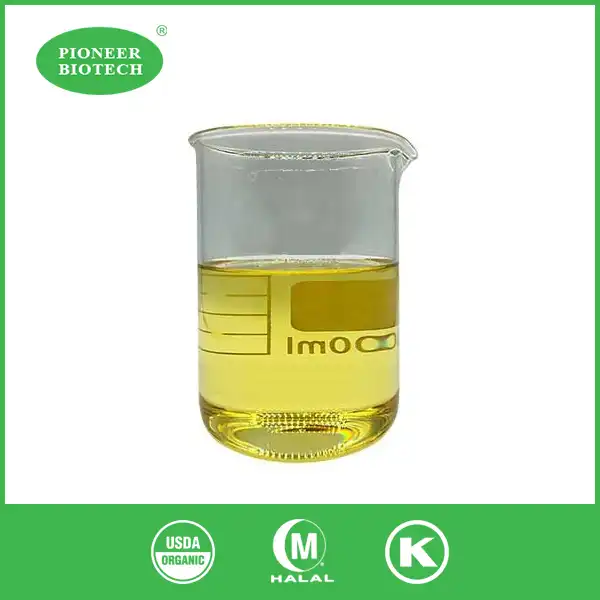
When people in charge of buying things have to find good Reishi derivatives for supplements, they often have to decide whether to buy reishi spore oil or cracked spores powder. It's very important to tell the difference. Supercritical CO2 technology is used to make reishi spore oil, which is a very concentrated lipophilic extract. Twenty to thirty times more triterpenes are in it than in raw powder. The cracked spores powder, on the other hand, breaks down the cell walls mechanically. This makes the medicine more bioavailable while keeping more water- and fat-soluble compounds. In cosmetics, nutraceuticals, and medicines, each one is used in a different way.
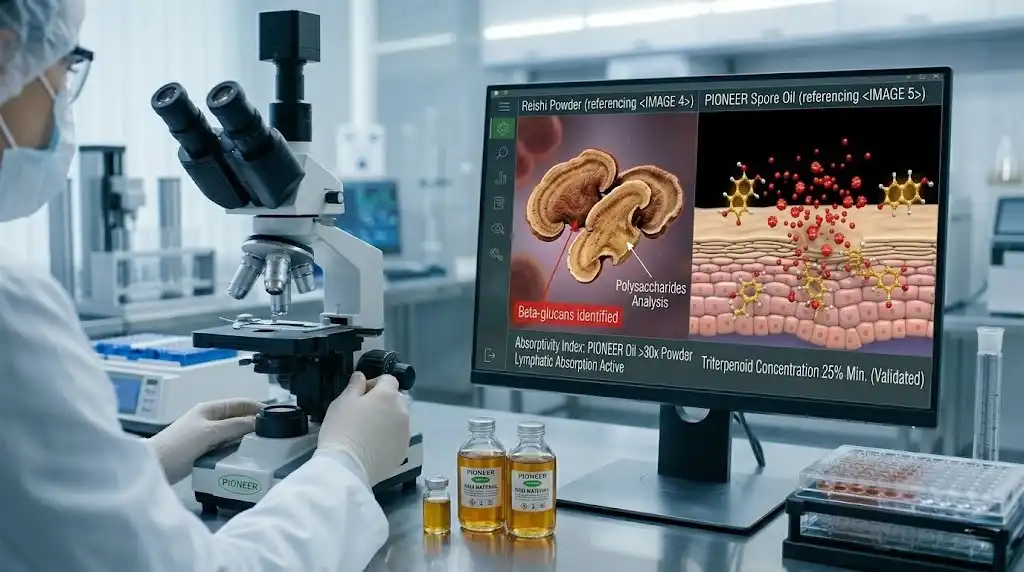
Understanding Reishi Spore Oil and Reishi Cracked Spores Powder
The plants that both of them come from are Ganoderma lucidum spores. The end products are very different, though, because of how they are processed. This has different business implications.
What Makes Reishi Spore Oil Unique?
It is very hard to get reishi spore oil out of the spores. First, the cell walls of the spores are broken. Controlled milling can usually get 98% or more of the cell walls broken. Next, the advanced supercritical CO2 fluid extraction separates bioactives that dissolve in lipids. This concentrates ergosterol, ganoderic acids, and unsaturated fatty acids into a golden liquid. This method gets rid of chitinous material that the body can't break down and fiber that doesn't do anything. This solves the main issue with regular mushroom extracts, which is that the body doesn't absorb them well. The amount of total triterpenoid in a good oil should be between 20 and 30 percent. It should also have acid and peroxide levels below 3.0 mg KOH/g and 10 meq/kg, respectively, so it stays stable while it's being stored.
Understanding Cracked Spores Powder Composition
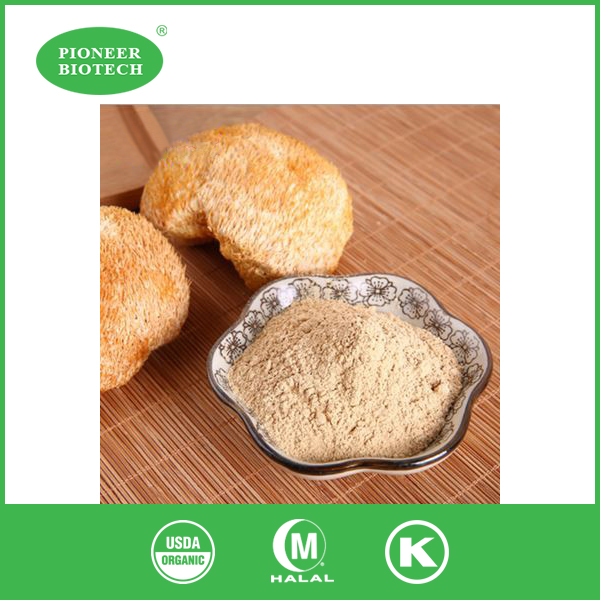
Cracked spores powder is different from other powders. Instead of solvent extraction, the tough spore shell can be broken by hand. This keeps the amounts of lipids and polysaccharides the same as they would be in nature. There are also beta-glucans, proteins, and trace minerals in this powder along with the triterpenoids. The bioactive amounts, on the other hand, are still much lower, usually only 3 to 8 percent of the total triterpenoids. The good thing is that the whole-food matrix is kept, which some formulators like because it helps the effects work better together. Most particles are between 80 and 200 mesh, which affects how quickly they break down and how well they mix with other things.
Extraction Methods and Their Industrial Impact
Bioactive profiles are set by the extraction method, which also changes how much can be made and how much it costs. That requires a lot of money and technical know-how, but the end result is very pure, leaving almost no solvent residue. This is important for pharmaceutical uses and export markets that need to keep a close eye on contaminants. Mechanical cracking is easier to get into, which makes prices more competitive but also makes the quality of each batch more variable. For business-to-business buyers, it's important to look at suppliers' extraction validation data. This includes things like yield consistency, solvent residue testing, and heavy metal screening protocols that make sure they follow the rules.
Health and Functional Benefits Comparison
Scientific literature and clinical observations for organic reishi spore oil show that different medicines have different therapeutic profiles. This can change how a product is positioned and how well it does in the market.
Immune Modulation and Antioxidant Capacity
Different types work in different ways and at different strengths to change the immune system. Several lab tests have shown that the concentrated triterpenoids in reishi spore oil have strong effects on how natural killer cells work and how macrophages become activated. The lymphatic system can quickly absorb it because it dissolves in lipids. It doesn't have to go through the first step of hepatic metabolism, which breaks down compounds that dissolve in water. Researchers have found that the amount of ganoderic acid affects how well it works to boost the immune system. Based on this, oil mixtures work better when the immune system is weak or when cancer support protocols are used along with other treatments.
Application-Specific Functional Advantages
Whether oil or powder is best depends on how it will be used and what the delivery method can and cannot do. When a concentrated dose in small amounts is needed, reishi spore oil works great in softgel form—standard 500mg softgels give beneficial levels of triterpenes without making the pill too heavy. The oil works well with lipid-based delivery systems to make nutraceutical blends that help the liver, improve metabolic health, and help people recover faster from surgery more available to the body.
The cracked spores powder is more adaptable and can be used in more ways. It can be used in capsules, tablets, and "clean" functional foods with broader nutritional profiles. It can also be used to add nutrients to drinks and make powder drink mixes because it works with water-dispersible systems. But flavorings need to be added to hide the earthy taste. For various purposes, various kinds of cosmetics are utilized. Most high-end anti-aging serums that need to go deep into the skin are made with oil. Powder, on the other hand, isn't used much in topical formulations because it's hard to keep the particles mixed together.
Dosage Recommendations and Safety Profiles
Clinical guidelines and market standards set up different ways to measure doses. reishi spore oil should be taken in doses of 1-2 grams per day for therapeutic purposes. Depending on the concentration needs, this can provide 200–600 mg of triterpenoids. To get the same amount of bioactives from cracked spores powder, you need to take between 2 and 6 grams per day. That's a lot of powder or more than one capsule. There were not many side effects reported in human trials for both types, which means they are safe to use. People who are about to have surgery and taking blood thinners may not be good candidates. The same goes for people who are on immunosuppressant drugs and need closer medical supervision.
Comparative Procurement Insights for B2B Buyers
To source well, you need to understand what affects quality, how the market works, and the skills of the suppliers. These things can have a direct impact on how long it takes to make a product and how much money it makes.
Quality Control Metrics and Certification Standards
It is important to do more than what suppliers say to make sure that premium Reishi derivatives like reishi spore oil are real. For sure, a third party should use HPLC analysis to check the triterpenoid content, and the COA should show ganoderic acid profiles instead of just "triterpene" values. Microbial testing makes sure that the product meets USP, EP, or GB standards, depending on the market it is meant for. Microscopy checks to see what kind of spores they are and how fast they break. People really want organic certifications from the USDA, EU, and JAS, but they need verified supply chain documentation from planting to processing.
Certifications like ISO9001, GMP, and facility-specific ones show that the manufacturing process is very advanced. The market is easier to get to when suppliers are certified as HALAL and KOSHER. This is very helpful for contract manufacturers who make goods for many private-label clients. Every batch needs to be the same. Ask for stability data that shows how well the triterpenoid stays intact, how well it resists oxidation, and how well it stays stable against microbes for 24 to 36 months under certain storage conditions. Based on our experience, suppliers who offer full analytical packages that include heavy metals, pesticide residues, and solvent profiles tend to keep a tighter grip on the process.
Supplier Selection and Risk Mitigation Strategies
Geographical patterns show that most Ganoderma lucidum is grown in Zhejiang and Shaanxi provinces in China, as these are the best places for growth. When you judge a supplier, you need to look at how the plants were grown. The profiles of secondary metabolites change when logs or sawdust are used as a substrate. If you grow the crops and then get the reishi spore oil out of them, you have better control over the quality, but it might be harder to change production when demand goes up.
Emerging Market Trends Affecting Procurement
When rules in important markets change, it affects how businesses get goods. Different types of powders and supercritical extracts are being looked at by the FDA as new dietary ingredients (NDIs). This changes how products can get into the U.S. market. European Novel Food rules make it hard for new formulations that don't have proof of how they've been used before. Good suppliers keep regulatory dossiers that back up claims of GRAS status and toxicology data that speeds up the process of getting products approved.
More and more, sustainability issues are coming up in business-to-business purchases. Premiums for organic sources are 15–30% higher than premiums for conventional sources. Shipping options that don't use carbon and packaging that breaks down naturally are in line with ESG promises made by businesses. Solutions for tracking things that use blockchain to verify them are starting to stand out as unique selling points. They are especially helpful for brands that market themselves as being open about their supply chains.
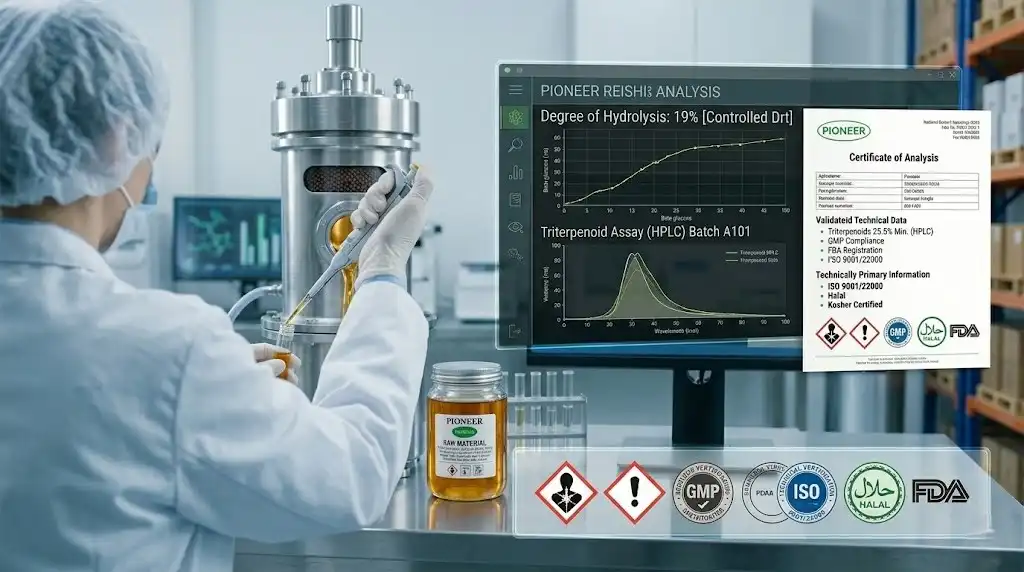
How to Buy Authentic Reishi Spore Oil and Cracked Spores Powder—A B2B Buying Guide?
You can get around the complicated world of suppliers if you use structured evaluation tools that take into account business terms, quality assurance, and the chance to work together.
Critical Evaluation Criteria for Procurement
The first step in proving authenticity for organic reishi spore oil is to look at the analytical specifications in great detail. Do not ask for UV spectroscopy data that could be changed. Instead, ask for HPLC chromatograms that show specific ganoderic acid peaks. The shape of Ganoderma lucidum spores is confirmed by microscopy. They are elliptical, double-walled structures that are 8–12 microns thick. These structures separate real material from lower-value species substitution. Check to see if the supercritical CO2 method works for reishi spore oil by looking for hexane, ethanol, and other chemical extractants in the solvent that is left over.
Purchasing Channels and Negotiation Strategies
When you deal directly with manufacturers, you can get the best prices and most customization options. However, you have to place larger orders and wait longer for delivery—usually 30 to 45 days for stock specifications and 60 to 90 days for custom concentrations. Because they act as a go-between, B2B platforms charge 10–20% in fees. They make it easier to do business and keep your payments safe. In hybrid approaches, people who met on a platform become direct contacts after the first order is confirmed.
Negotiating bulk purchases of more than 500 kg per year can help you get better prices and make sure you get what you need when supply is low. Contracts that last a year and have deliveries every three months keep the costs of stocking up on materials and the changes in the prices of raw materials in check. Quality-linked payment terms protect buyers: 10–20% of the payment is held back until an independent lab confirms that the specifications have been met. This makes sure that everyone is responsible. For uses related to drugs and exports, lowering supply chain risks means asking for audits of production sites or GMP certifications from a third party.
Innovation Trends Shaping Future Sourcing
It keeps getting easier to extract bioactive substances and make sure they are pure. Using enzymes before CO2 extraction increases the amount of triterpenoid that can be recovered. This could make next-generation oils more powerful by 35–40%. Nano-milling and surface modification technologies are used to make water-soluble spore powder derivatives that get around problems with the way drinks and functional foods are made. Some types of fermented spores use certain fungal strains to change ganoderic acids into more bioavailable analogs. These are new types of products that need new rules on how to be bought and followed by the law.
Organic farming is becoming more popular because people want it to, even though it is more expensive and takes more work to get certified. No matter what the weather is like, when suppliers put money into controlled environment cultivation, the quality stays the same. However, the amount of money used changes the prices. These days, digital verification systems are often used to make sure that supply chain paperwork is clear. Leading manufacturers offer QR codes that can be used to track ingredients from the batch that was grown to the batch that was extracted to the batch that was packaged as an ingredient.
Conclusion
When choosing between reishi spore oil and cracked spores powder, it depends on the formulation goals, the target market, and the cost. Oil has the most triterpenes and is absorbed quickly, so it is best for high-end therapeutic uses. On the other hand, powder provides affordable complete nutrition for health groups. B2B buyers can benefit from learning about the quality control systems that make sure the ingredients are real and work. They can also learn about the benefits of each format. To stay ahead in the functional mushroom ingredient market, which is always changing, smart procurement strategies do a mix of in-depth research, building relationships with suppliers, and keeping an eye on market trends.
FAQ
Which format offers better efficacy for immune support formulations?
reishi spore oil is more potent per unit weight because it contains more ganoderic acid, and it only needs a small amount to reach therapeutic triterpenoid levels. Cracked spores powder is more nutritionally sound because it still has polysaccharides and trace compounds in it. It can be used in everyday health products. The choice depends on how the product is marketed. Powders are better for supporting the immune system in general, while oils are better for specific treatment claims.
What safety considerations matter most for supplement formulators?
Both types of clinical literature show that they are very safe. If you want to make sure there are no mycotoxins, heavy metals, or pesticide residues, you should have a third party test it. You should also write down any possible drug interactions so that people are aware of them. Reishi's anticoagulant properties require disclosure for pre-surgical patients. If a woman is pregnant or nursing, she should talk to her doctor. There aren't many specific reasons why she shouldn't. When suppliers are good, they give a lot of safety information to back up what they say to regulators.
How can buyers verify supplier authenticity and product quality?
You should ask for full analytical certificates that include testing for heavy metals, identifying microscopic spores, and triterpenoid profiles with HPLC. Ask for samples with all the paperwork you need so an outside lab can check them before you buy a lot. Check the supplier's credentials, such as GMP, ISO9001, and organic credentials, and see if the factory is open to the public. You can lower the risk of quality problems and build stronger long-term relationships with suppliers who offer facility audits and batch-to-batch consistency data.
Partner with Pioneer Biotech for Premium Reishi Spore Ingredients
It can be tough to find places to get Reishi ingredients, so you need a partner with a lot of technical know-how and high quality standards. Pioneer Biotech was started in 2012 and is in the well-known Medicine Herbs Valley in the Qinling Mountains. They are licensed by ISO9001, HALAL, KOSHER, and the FDA to make reishi spore oil and cracked spore powder that are safe for use in medicine. We have full control over the growing, extracting, and quality checking processes in our 7,000m² vertically integrated facility. This means we can provide consistent ingredients for use in nutraceuticals, pharmaceuticals, and cosmetics. You can ask our technical team for custom triterpenoid concentrations, flexible MOQs, or full regulatory support. They can also help you with formulation and quickly look over samples. You can email our reishi spore oil supplier team at sales@pioneerbiotech.com to talk about your needs, get more information, and find out how our commitment to quality can help your product line.
References
Wachtel-Galor, S., Yuen, J., Buswell, J.A., & Benzie, I.F. (2011). Ganoderma lucidum (Lingzhi or Reishi): A Medicinal Mushroom. In Herbal Medicine: Biomolecular and Clinical Aspects, 2nd edition. CRC Press/Taylor & Francis.
Zhao, H.B., Wang, S.Q., & He, Q.H. (2015). Chemical Constituents and Pharmacological Activities of Ganoderma lucidum Spores. Journal of Asian Natural Products Research, 17(5), 472-485.
Boh, B., Berovic, M., Zhang, J., & Zhi-Bin, L. (2007). Ganoderma lucidum and its Pharmaceutically Active Compounds. Biotechnology Annual Review, 13, 265-301.
Sanodiya, B.S., Thakur, G.S., Bagrodia, R.K., Prasad, G.B., & Bisen, P.S. (2009). Ganoderma lucidum: A Potent Pharmacological Macrofungus. Current Pharmaceutical Biotechnology, 10(8), 717-742.
Jin, X., Ruiz Beguerie, J., Sze, D.M., & Chan, G.C. (2016). Ganoderma lucidum (Reishi mushroom) for Cancer Treatment. Cochrane Database of Systematic Reviews, Issue 4.
Liu, W., Wang, H., Pang, X., Yao, W., & Gao, X. (2010). Characterization and Antioxidant Activity of Two Low-Molecular-Weight Polysaccharides Purified from the Fruiting Bodies of Ganoderma lucidum. International Journal of Biological Macromolecules, 46(4), 451-457.