
Choosing a plant source is not enough for OEM production of botanical extracts. The final ingredient for brands using Houttuynia cordata oil is influenced by the extraction process, raw material specifications, marker compounds, testing requirements, packaging, and target-market laws.
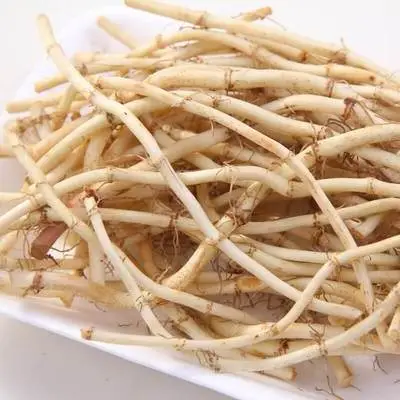
A common edible and medicinal plant in Asia is Houttuynia cordata Thunb. Aldehydes, terpenoid ingredients, and 2-undecanone (methyl nonyl ketone) are among the substances found in its volatile oil. Houttuynia cordata extracts and essential oils have been shown in published studies to have antibacterial and anti-inflammatory properties; however, the outcomes differ depending on the plant part, extraction technique, chemical makeup, and experimental model. These results encourage more formulation study, but they shouldn't be used as evidence that a particular commercial oil may cure or prevent illness.
This is why choosing a supplier is crucial for brands. A defined product specification, acceptable analytical testing, batch documentation, and formulation support depending on the intended application should all be provided by an authorized OEM/ODM partner.

Understanding OEM/ODM Partnership Benefits in Botanical Oil Manufacturing
By integrating raw material sourcing, extraction, quality control, formulation support, packaging, and documentation into a single supply chain, OEM and ODM collaborations can streamline the creation of botanical ingredients.
This is especially helpful for Houttuynia cordata oil since a botanical oil's chemical profile can be affected by a variety of factors, including plant material, plant part, geographical origin, extraction technique, and processing circumstances. According to published reviews, the main chemical groups present in Houttuynia cordata include volatile oils, flavonoids, phenolic acids, and alkaloids.
Therefore, rather than using a generic botanical name, an OEM/ODM project might be organized around specific parameters. Depending on the application, a brand can have to indicate:
- Botanical source and plant part
- Extraction method
- Marker or characteristic compounds
- Purity or assay requirements
- Physical and chemical specifications
- Microbiological limits
- Heavy-metal and contaminant requirements
- Packaging format
- Required regulatory documentation
This approach gives product developers a clearer basis for comparing samples and maintaining batch-to-batch consistency.
Pioneer Biotech's Manufacturing Excellence for Herbal Extracts
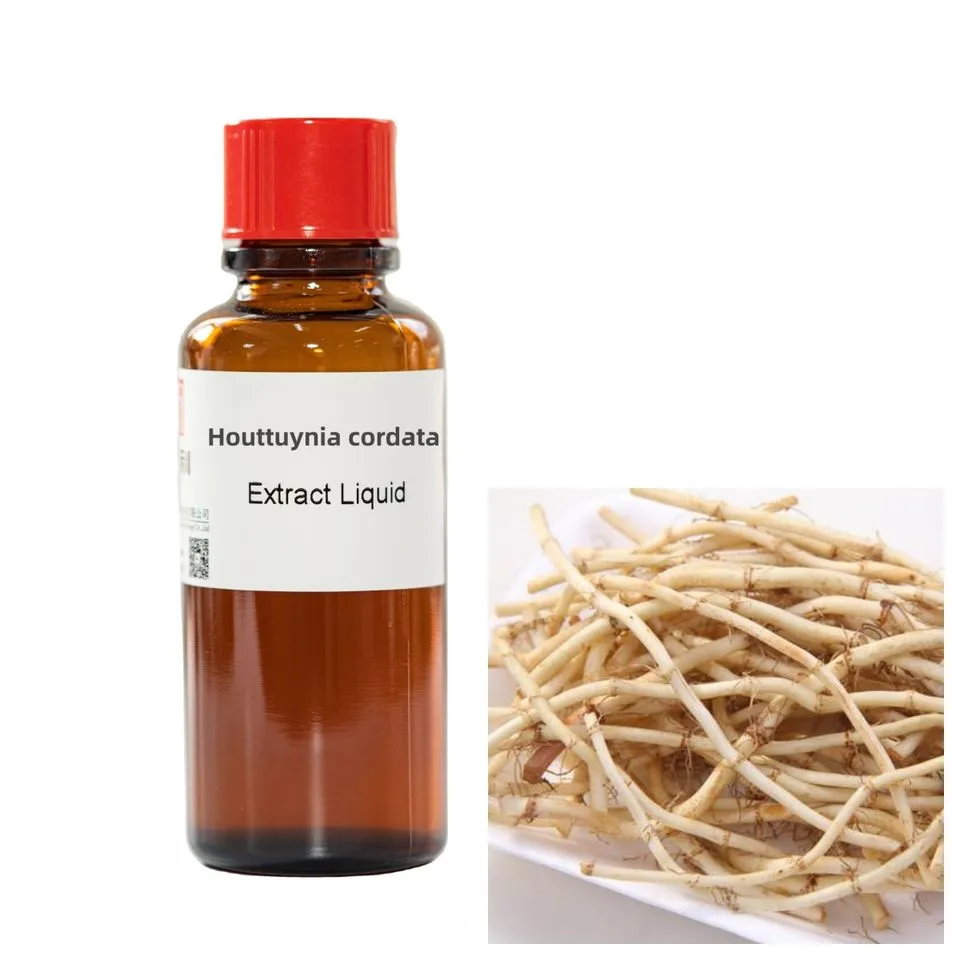
Since 2012, Pioneer Biotech has been manufacturing botanical extracts and providing ingredients for pharmaceutical, health-food, cosmetic, and related uses. Steam distillation and supercritical CO2 extraction are listed as manufacturing methods on the company's current Houttuynia cordata oil page. A product's appearance, purity, methyl nonyl ketone, refractive index, relative density, heavy metals, solvent residues, microbiological load, and packaging are all covered.
According to Pioneer Biotech's most recent Houttuynia cordata oil standard,
- Appearance: clear yellow oil
- Purity: ≥99%
- Methyl nonyl ketone: ≥20.0%
- Refractive index at 20°C: 1.4650–1.4750
- Relative density at 20°C: 0.860–0.890
- Lead: <3.0 ppm
- Arsenic: <1.0 ppm
- Cadmium: <1.0 ppm
- Solvent residues: <5000 ppm
- Microbial load: <1000 CFU/g
- Packaging: 1 kg/bottle and 25 kg/barrel
The company's quality and regulatory credentials include ISO9001, HACCP, Halal, Kosher, and U.S. FDA-related certifications. Prior to commercial usage, certification or registration scope should be verified for the particular product and destination market.
GC-MS, HPLC, microbiological testing, and other analytical techniques are employed as part of Pioneer Biotech's quality-control system, according to the company's current product page. For botanical compounds, these tests can be used to monitor pertinent quality indicators and confirm composition.
This combination of clear specifications, analytical testing, and documentation can lessen the amount of supplier qualification work needed during product development for businesses getting ready to launch a botanical product.
Comprehensive Customization Options for Health Product Applications
The desired product use and the specifications needed for the final formulation should be the first steps in customization.
Potential project criteria for Houttuynia cordata oil could be:
- Extraction method
- Marker compound requirements
- Concentration or assay specifications
- Carrier oil selection where applicable
- Packaging format
- Batch quantity
- Testing requirements
- Private-label requirements
- Documentation required for the target market
Customizing a formulation based on a purported therapeutic effect is not advised unless the final product has the necessary safety, efficacy, and regulatory backing. Instead, while the supplier determines whether the ingredient specification is suitable, brands can specify the intended purpose and required technical qualities.
When it is both technically and financially feasible, blending with additional botanical compounds may also be taken into consideration. Before mixing substances, compatibility, odour, stability, solubility, and regulatory status should all be assessed.
Another crucial factor is packaging. Depending on the order amount and product specifications, alternative packaging or private-label needs may be negotiated during project development.
ODM Advantages in Developing Novel Therapeutic Products
ODM development can be useful when a brand needs more than a standard raw material and requires assistance with formulation or product configuration.
For Houttuynia cordata oil, an ODM project may involve:
- Selecting an appropriate oil specification
- Evaluating extraction options
- Developing a formulation for the intended product category
- Checking ingredient compatibility
- Evaluating physical stability
- Selecting packaging
- Preparing technical documentation
- Adjusting the formulation based on sample evaluation
Although scientific study offers a helpful foundation for comprehending Houttuynia cordata, product-specific claims should be kept apart from research findings. For instance, published research has shown that Houttuynia cordata essential oils exhibit antibacterial action against specific microbes in lab models, while other studies have used various extracts or isolated chemicals to examine anti-inflammatory potential. These results do not prove that all Houttuynia cordata oil products have the same efficacy, but they can guide formulation development.
For goods meant for regulated marketplaces, this distinction is particularly crucial.
Brands can assess samples for odour, look, compatibility, stability, and other pertinent quality attributes before committing to commercial manufacturing.
Our Streamlined Manufacturing Process
Instead than using a set formula for every project, the first consultation focuses on the product needs. The intended use, target market, quantity needed, desired extraction technique, specifications, packaging demands, and paperwork requirements can all be supplied by brands.
Samples can be assessed in accordance with the established technical standards while the prototype is being developed. Formulation work may involve carrier selection, compatibility assessment, concentration adjustment, or other application-specific changes, depending on the project.
Production parameters can be examined for scale-up when a formulation and specification have been decided upon. Pilot or commercial production should adhere to the relevant product requirements and quality-control protocols.
Incoming raw material inspection, in-process controls, final product testing, and batch documentation are examples of quality assurance. According to Pioneer Biotech's current product information, botanical compounds are analyzed using GC-MS, HPLC, microbiological testing, and other quality-control techniques. Depending on the needs of the client, extra technical documentation and Certificates of Analysis may be considered.
Packaging and shipping paperwork for overseas orders should match the product classification, target market, and transportation specifications. The final product specification should be used to confirm particular storage and transportation conditions.
Strategic Benefits of Partnership with Pioneer Biotech
Working with an experienced botanical ingredient manufacturer can reduce the need for a brand to manage raw-material sourcing, extraction, analytical testing, and packaging coordination through multiple suppliers.
For Houttuynia cordata oil, the main benefits of a structured OEM/ODM partnership include:
Defined product specifications: Key physical and chemical parameters can be agreed before production.
Analytical support: Testing such as GC-MS, HPLC, microbial testing, and contaminant analysis can support product qualification.
Formulation support: Technical teams can assist with application-specific formulation and compatibility requirements.
Flexible packaging: Current standard packaging includes 1 kg bottles and 25 kg barrels.
Documentation: COA and other technical or regulatory documents can be discussed according to the target market.
OEM/ODM support: Private labeling, formulation customization, and packaging requirements can be incorporated into the project scope.
The exact MOQ, lead time, formulation requirements, and documentation package depend on the project. Confirming these points during the quotation stage avoids unnecessary assumptions and helps both parties establish realistic production requirements.
FAQ
For custom formulations of Houttuynia cordata oil, what are the minimum order quantities?
The formulation, package style, production needs, and whether the project uses a standard product or needs further customization all affect the MOQ. According to Pioneer Biotech, the product's MOQs are flexible. For a quote tailored to your project, get in touch with the technical sales team and let them know what amount and formulation you need.
How much time does it usually take to develop a custom formulation?
The intricacy of the formulation, the quantity of sample changes, testing specifications, packaging choice, and target-market documentation all affect development time. After examining the formulation requirements, Pioneer Biotech can verify a project timetable instead of using a single, set development period for each project.
Which testing records and quality certificates do you offer?
Heavy metals, solvent residues, microbiological load, appearance, purity, methyl nonyl ketone, refractive index, and relative density are all listed in the current product specification. Additionally, Pioneer Biotech claims that their quality-control system makes use of GC-MS, HPLC, microbiological testing, and other analytical techniques. Depending on the project's needs and the destination market, COA and other technical or regulatory documentation may be addressed.
Partner with Pioneer Biotech for Premium Houttuynia Cordata Oil Solutions
Houttuynia cordata oil is supplied by Pioneer Biotech to manufacturers and brands creating botanical products. In addition to OEM/ODM and custom formulation help, its current product information contains specifications for purity, methyl nonyl ketone, physical characteristics, heavy metals, solvent residues, microbiological load, and packaging.
A precise technical brief is the best place for buyers to start when assessing vendors. Add your desired extraction technique, needed amount, target market, intended application, container format, marker-compound requirements, and documentation requirements. After that, Pioneer Biotech can assess the project in light of the requirements for modification and the existing product specifications.
Get in touch with sales@pioneerbiotech.com for product samples, technical documentation, formulation talks, or a quote.
References
Chen, H., Zhang, L., & Wang, M. (2022). Therapeutic Applications of Houttuynia cordata Essential Oil in Modern Herbal Medicine. Journal of Ethnopharmacology, 285, 114-126.
Liu, Y., Kim, S., & Thompson, R. (2021). Anti-inflammatory and Antimicrobial Properties of Houttuynia cordata Extract in Clinical Applications. Phytotherapy Research, 35(8), 4231-4245.
Anderson, P., Martinez, C., & Brown, J. (2023). OEM Manufacturing Trends in Botanical Extract Industry: Quality Standards and Regulatory Compliance. Industrial Biotechnology Review, 19(3), 78-92.
Zhang, W., Park, K., & Johnson, D. (2022). Bioactive Compounds in Houttuynia cordata: Extraction Methods and Therapeutic Potential. Natural Product Communications, 17(4), 256-271.
Rodriguez, A., Lee, M., & Singh, R. (2021). Market Analysis of Natural Essential Oils in Health Product Applications. Global Wellness Industry Report, 12, 145-162.
Taylor, S., Wang, F., & Miller, K. (2023). Quality Control Standards for Botanical Oil Manufacturing in Health Product Industry. Pharmaceutical Technology, 47(6), 33-47.