

Nonoxynol-9 Spermicide Gel: Ingredients, Uses and Formulation Basics
Nonoxynol-9 serves as a nonionic surfactant and the primary active pharmaceutical ingredient in spermicide gels, functioning by disrupting sperm cell membranes to prevent fertilization. This compound, chemically defined as C15H24O(C2H4O)n where n averages 9, operates through its amphiphilic structure, allowing it to penetrate and destabilize lipid bilayers. Formulations typically contain 2-12% active concentration alongside gel bases, preservatives, and pH stabilizers to ensure efficacy and shelf stability. The ingredient's effectiveness depends heavily on formulation quality, concentration accuracy, and batch-to-batch consistency—factors critical for pharmaceutical manufacturers and contraceptive product developers seeking reliable spermicidal agents.
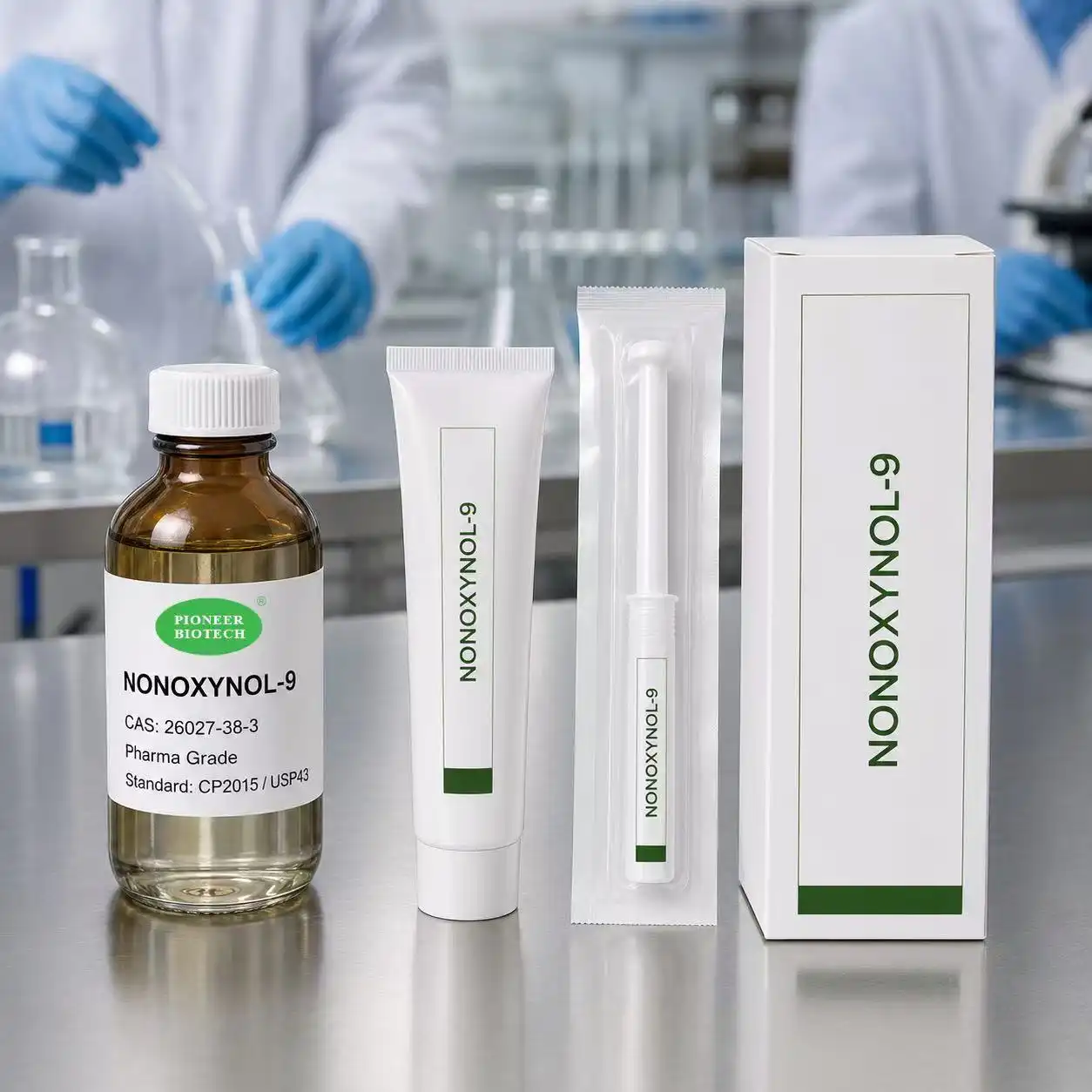
Understanding Nonoxynol-9: Key Ingredients and Mechanism of Action
Chemical Structure and Spermicidal Properties
The molecular weight of the compound is about 624.8 g/mol, and its CAS number is 26027-38-3. It has a Hydrophile-Lipophile Balance (HLB) of 13.1 and a Hydroxyl Value of 85–105 mg KOH/g. This makes it a good emulsifier for oil in water. This surfactant works as a birth control method by attaching to phospholipids in the sperm membrane and destabilising them, which then leads to cell death. For the mechanism to work, the active ingredient needs to come into direct contact with sperm cells. This makes formulation viscosity and retention time very important.
The USP-NF monograph sets tight limits on the amount of ethylene oxide and 1,4-dioxane that can be left in pharmaceutical-grade materials. These impurities could make safety ratings less reliable. Our production follows the rules set by CP2015/USP43. We make sure that the purity level is higher than 99.5% by using approved testing methods like Nuclear Magnetic Resonance and Mass Spectrometry.
Essential Formulation Components
Spermicide gels need more than just the active ingredient to work well. They also need carefully chosen inactive ingredients. These formulations show how complicated things are, which procurement managers need to know when they're judging suppliers.
The gel base is usually made up of hydroxyethyl cellulose or carbomer polymers, which give it the right density to stay in place in the vaginal canal while still letting the active ingredients spread out. Preservatives like phenoxyethanol or methylparaben keep microbes from getting into the food while it's on the shelf. Usually citric acid or sodium hydroxide are used as pH enhancers to keep the mixture in the 3.5–4.5 range, which is the right range for vaginal conditions while keeping the chemicals stable. Humectants, like glycerin, make the gel more comfortable to use and keep it from drying out. Solubilizers help make sure that the active ingredients stay spread out throughout the matrix.
Good recipes balance these parts to get the goal viscosity between 50,000 and 150,000 cPs. This makes sure that the gel stays on vaginal surfaces long enough to work as a birth control method while still being easy to use. According to ICH standards, stability testing shows that properly made goods stay effective for 24 to 36 months when kept between 15°C and 30°C.
Manufacturing Standards and Quality Control
To make materials that are safe for medicinal use, strict production rules must be followed. Our FDA-approved factory in the Medicine Herbs Valley of the Qinling Mountains follows good manufacturing practices (GMP) and uses tested methods to make sure that every batch is the same. Monitoring important factors like ethoxylation degree, hydroxyl value, and leftover impurities during the production process is part of quality assurance.
Each production batch of Nonoxynol-9 goes through strict testing procedures, including infrared spectroscopy to prove identity, high-performance liquid chromatography to check purity, and bacteria limits testing according to USP <61> and <62>. We keep a lot of paperwork, like Certificates of Analysis, data on stability, and safety paperwork, which is needed to send things to regulators in global markets. Our HACCP ISO22000, KOSHER, and HALAL certifications meet the needs of a wide range of markets. Additionally, our gluten-free, non-GMO, and allergen-free status helps us make clean-label products.
Applications and Use Cases of Nonoxynol-9 Spermicide Gel in Medical and Consumer Markets
Contraceptive Formulations and Usage Scenarios
Spermicide gels can be used as a method of birth control on their own or in addition to barrier devices. As a single treatment, users put about 5 mL into their vaginal area up to an hour before sex, which protects the area from pregnancy. When used with diaphragms or cervical caps, the gel improves the barrier's efficiency by filling in any holes in where the devices might be placed while also protecting against chemical backup.
The medical community is still not sure how to feel about using combination products with condoms. While some formulations say they are compatible with latex protectors, research shows that prolonged exposure to latex may weaken it over time. Our technical paperwork says that properly made water-based or silicone-based lubricants with the active ingredient stay in line with ISO 4074, which means that they won't hurt the tensile strength of condoms when used as directed on the package.
Product makers who make over-the-counter birth control must think about both how well the product works and how easy it is for users to use. The consistency of gel affects how easy it is to apply, how long it stays on, and how messy it seems, all of which have a big impact on how well it works and how often people use it. Pharmaceutical companies that make these medicines do better when they work with providers that give them formulation help and stable data that is specific to delivery forms like applicators, pre-filled syringes, or unit-dose packaging.
Regulatory Pathways and Market Compliance
Under 21 CFR 310.545, the US Food and Drug Administration (FDA) controls spermicides as over-the-counter drugs. This means that they have to have specific labelling statements about how well they work, how to use them, and safety alerts. It's required that products show how well they stop pregnancy and make it clear that they don't protect against STDs. The European Medicines Agency keeps an eye on things in a similar way by classifying medicines and medical devices based on their claims about their formulation.
When purchasing managers need to find active ingredients for controlled markets, they need to deal with sellers who keep full regulatory support files. Drug Master Files, impurity profiles, manufacturing site registrations, and pharmacopeial compliance certificates are some of the documents that must be kept. Our technical team gives you these materials along with method validation protocols and reference standards. This speeds up the time it takes to develop your product and submit it to the government.
To get into different markets, you might need more licenses. Asian markets often need registrations and clinical data that are specific to the country. Regulatory bodies in Latin America can ask for a WHO prequalification or proof of a medicine product. We keep ready-to-ship items in carefully placed warehouses so that they can be sent quickly and safely. Our legal affairs specialists can also help you with the paperwork that your target markets need.
Comparative Analysis: Nonoxynol-9 Versus Other Spermicidal and Contraceptive Methods
Efficacy Considerations and Method Comparison
Spermicide-only birth control has a yearly failure rate of about 28%, which is much higher than hormonal methods (9% failure rate) or intrauterine devices (less than 1% failure rate). Even though failure is cut down to about 18% in perfect use situations, this is still less effective than most other forms of birth control. These numbers show both the limits of the product and the difficulties that users have in following the rules. This is something that B2B clients need to be clear with end customers about.
Combination methods make birth control more reliable. When used with barrier methods, failure rates are lower: 12% of diaphragm-plus-spermicide combinations fail, while 18% of spermicide alone fail. Dual protection, on the other hand, needs both methods to be used correctly, which increases the chances of user error. Hormonal birth control works better than external barrier methods, but it comes with systemic side effects and should not be used in certain situations. This makes two separate market niches.
Among the other spermicides that can be used, octoxynol-9 and benzalkonium chloride formulations have similar or lower levels of effectiveness and cause similar irritation issues. More and more people are interested in lactic acid and citric acid buffer systems, which change the pH of the vaginal area to stop sperm from moving and might be less irritating. These new options pose a threat to established makers, who must keep an eye on them.
Safety Profile and Side Effect Management
When used too often, Nonoxynol-9 can irritate the penile or vaginal area, causing burning, itching, or swelling. Based on quantity and usage frequency, irritation rates in clinical tests range from 5% to 25%. This discomfort of the skin makes me worry that using it more than once a day could make me more likely to get infections. The World Health Organization says that people who are more likely to get HIV shouldn't use it very often because it could damage the mucosal barrier.
About 1% to 3% of people have allergic responses, which can show up as urticaria, swelling, or, in the worst cases, systemic hypersensitivity. On the package, it should say to stop using the product if you experience these signs and talk to a doctor. Formulation scientists can reduce irritation by carefully choosing excipients, controlling pH levels correctly, and making sure that concentrations are at their best. This is an area where experienced suppliers can provide useful technical advice.
It is important to note that the active ingredient does not cause teratogenic effects if pregnancy happens even though birth control did not work. Reproductive toxicology studies show that there is no higher risk of birth defects or other problems during pregnancy. This gives users and product makers peace of mind about accidental exposure during early pregnancy, before the failure of the birth control method becomes clear.
Procurement Insights: Where and How to Source Quality Nonoxynol-9 Spermicide Gel?
Supplier Selection Criteria and Quality Benchmarks
To make sure they get reliable, legal materials, procurement professionals have to look at potential suppliers in a number of different ways. Quality security starts with certifications for the manufacturing site. As a minimum, you should look for FDA registration, GMP compliance, and ISO9001 certification. Other qualifications, such as HACCP ISO22000, show that you know how to handle food safely, which is important for oral or private use.
Analytical skills set top sellers apart from commodity providers. Manufacturers should show that they test their products in-house for identity, purity, leftover impurities, and bacteria limits. Having access to high-tech testing tools like HPLC, GC-MS, and NMR makes it possible to check the quality thoroughly. To figure out how technically advanced someone is, ask for proof of the method and look at standard sources.
When deciding how to make drugs, supply chain dependability is very important. Check the minimum order quantities against the number of items you need, the time it takes to receive both standard and rush orders, and where the inventory is located. When suppliers keep stock in area stores, shipping times and customs problems are cut down. Our ready stock in local warehouses guarantees a steady supply, and our flexible approach can handle both large-scale pharmaceutical production and smaller OEM needs.
Technical Support and Formulation Development Assistance
Value-added services, in addition to providing raw materials, set strategic supplier ties apart from transactional agreements. Full expert help speeds up product development and lowers the risks of formulation. We offer stability study methods that are customised to your formulation matrix, compatibility testing with suggested excipients, and rheology advice to help you reach your goal viscosity profiles.
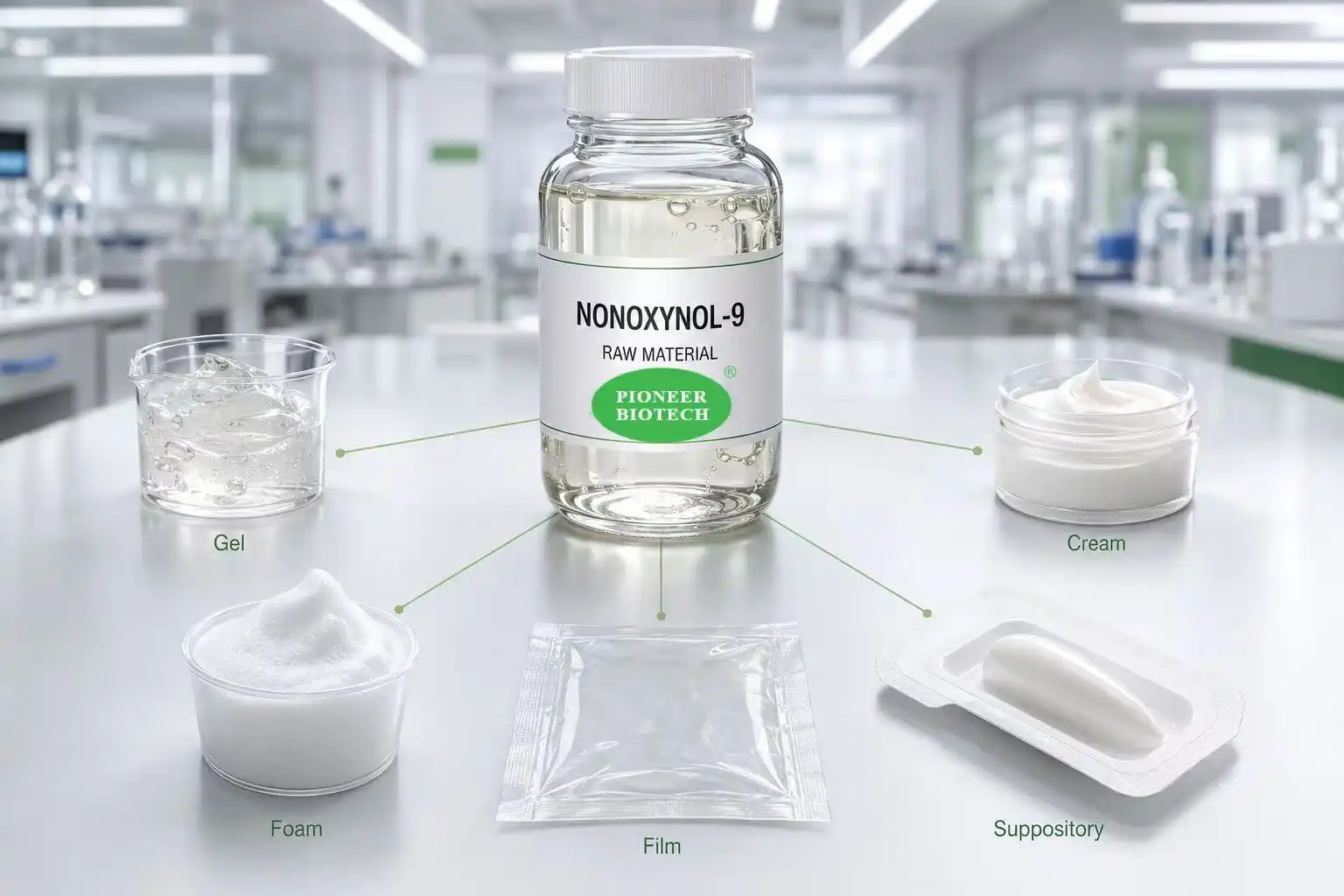
Formulation chemists benefit when suppliers share their application knowledge that they've gained from working with a wide range of product forms. Our technical team can help you choose the best delivery method based on your target market's preferences and your company's production skills. This includes standard gels, foam formulations, and new film formats. We offer free samples for initial testing, which lets you do cost-effective formulation screening before placing a bulk order.
When entering new markets, regulatory support services are very helpful. Our paperwork package includes Drug Master Files that can be sent to the FDA, safety data sheets that are approved by the EU, and certificates that meet the needs of specific markets, such as BSE/TSE-free claims, non-GMO proof, and allergen statements. This all-around paperwork help speeds up your legal path, which shortens the time it takes to get new products on the market.
Economic Factors and Procurement Strategy
When you buy in bulk, you have to balance the costs of keeping goods with the benefits of lower prices and more secure supplies for Nonoxynol-9. The price of pharmaceutical-grade materials is based on the cost of the raw materials, the difficulty of making them, the strictness of the quality tests, and the costs of following the rules. The market changes depending on the price of ethylene oxide fuel and how full all the factories around the world are.
Setting up framework deals with clear volume promises in return for better price and guaranteed supply allocation is one way to go about strategic procurement. Just-in-time delivery plans help some clients because they cut down on having inventory while keeping output going. Our competitive pricing structure encourages partnerships while keeping the quality investments that are necessary for pharmaceutical uses.
Contract makers who work with many clients have specific sourcing needs because they need sources who can meet a wide range of technical requirements and order numbers. Because we can customise, we can offer custom concentrations, unique package layouts, and private-label options. We work together with our OEM partners to make unique goods that fit their brand positioning while still meeting legal requirements and keeping costs low.
Safety, Risks and Considerations for Procurement and End-Users
Understanding Limitations and Contraindications
Product designers must teach end users how to use the product correctly and what its limits are. HIV and other sexually transmitted diseases can still get through the material. This important safety message needs to be put in a prominent place on product labels and consumer education materials. According to some studies, using a lot of a product may actually make it easier for STIs to spread by irritating the lips and weakening the body's natural defences.
Some groups of people should never use these goods at all. People who are known to be allergic to certain formulation excipients or nonionic surfactants are more likely to have an allergic reaction. If a woman gets urinary tract infections or vaginal infections often, she may find that using makes these problems worse. Healthcare professionals usually tell people not to use more than two applications a day because the soreness can build up over time.
Keeping products safe and intact requires the right way to store them. Bulk materials should stay in containers that keep air out and keep them at a set room temperature of 15°C to 30°C. Extreme cold makes things thicken in a way that can be undone, which changes how they disperse, and too much heat speeds up the reactive breakdown pathways. The choice of packaging affects how stable the finished product is. For the labelled shelf life to be met, tubes and bottles must provide enough moisture barriers and light protection.
Risk Communication and User Safety
Labelling everything helps with two things: following the rules and giving people more information to help them make decisions. FDA-mandated labels must be displayed clearly and include information about the product's ability to prevent pregnancy, its inability to protect against STIs, and how to stop using it if it causes pain. Clear directions with anatomical pictures make it easier to use the product correctly, which has a direct effect on how well it works in the real world.
When buying products for consumers, purchasing teams should ask for human factors validation data to show that the packaging, applicators, and instructions make the products safe for a wide range of users. Poorly designed delivery systems make it easier for users to make mistakes, which lowers the effectiveness of the product and raises the risk of unintended pregnancy. Suppliers who give advice on formulation and packing add value by making the whole system of the product better, not just the active ingredients they provide.
Post-market surveillance tools help find new safety signals and trends of use in the real world. Pharmaceutical companies should set up ways to track adverse events and keep lines open for customers to give feedback. Regulatory bodies expect manufacturers to look into complaints, spot trends, and take corrective actions when quality problems happen. These important safety monitoring tasks are made easier by supplier partnerships that include expert investigation help and batch traceability.
Conclusion
Nonoxynol-9 spermicide gel is a well-known method of birth control that can be used in certain situations where chemical methods aren't appropriate or aren't wanted. To make a good product, you need to know a lot about formulation science, regulatory pathways, and user experience factors that affect how well the product works in the real world. When making purchases, companies should give more weight to providers that can show they can make pharmaceutical-grade products and have complete quality systems and expert support resources. Because of the ingredient's safety profile, clear information must be given about both its limits as a contraceptive and how it should be used. This way, end users can make decisions that are best for their reproductive health.
FAQ
Does the active ingredient affect latex condom integrity?
According to ISO 4074 testing guidelines, the surfactant does not affect the tensile strength of rubber when it is mixed with suitable bases in the right way. Water-based and silicone-based lubricant formulas keep the condom's shape while it's being used normally. Product designers should try their products' suitability with certain condom brands to make sure there aren't any bad effects, especially for products that are sold together.
What concentration provides optimal spermicidal effectiveness?
Depending on the form of release, pharmaceutical products usually have between 2 and 12% active ingredient. Most gel formulas use a 4% dose, which strikes a balance between effectiveness and irritation risk. Higher amounts don't always make birth control more reliable, but they may make side effects more common. When choosing a concentration, you should look at data on steadiness, tests of user comfort, and past legal decisions in the target markets.
How should bulk material be stored to maintain quality?
Degradation can be stopped by storing things in sealed cases between 15°C and 30°C. Stay away from extreme temperatures, direct sunlight, and water getting in. Following the retest dates listed in Certificates of Analysis, material should be rotated using the first-in, first-out inventory method. The right way to store something keeps the hydroxyl value standards and stops impurities from forming that could affect safety or effectiveness.
Can this ingredient be used in products labeled as natural?
The compound is not natural or organic according to most regulations because it is a manufactured surfactant made from petrochemical ingredients through ethoxylation processes. Products with this chemical can't be labelled as USDA Organic or a similar natural product certification. If a brand wants to be seen as natural, it might want to look at other spermicidal agents or sell based on safety and effectiveness rather than natural promises.
Partner with Pioneer Biotech for Pharmaceutical-Grade Nonoxynol-9 Supply
Pioneer Biotech provides pharmaceutical-grade Nonoxynol-9 that is made in a facility that is registered with the FDA and meets strict USP43 standards. Our site in the Medicine Herbs Valley of the Qinling Mountains gives us access to the best conditions for making products, and our ISO9001, HALAL, and KOSHER certifications meet the needs of customers around the world. We offer high-purity material (≥99.5%) to procurement managers, pharmaceutical manufacturers, and OEM partners. The material comes with full documentation, such as stability data, regulatory support files, and analytical methods that have been tested and proven to work. As a Nonoxynol-9 manufacturer with a lot of experience, we can offer flexible order quantities, help with technical formulation, and free samples to help you come up with new products. Contact our team at sales@pioneerbiotech.com to talk about your specific needs and get reasonable quotes for bulk supplies that can be shipped quickly and safely from our centrally placed inventory.
References
1. World Health Organization. (2012). "Medical Eligibility Criteria for Contraceptive Use: Spermicides." Fifth Edition, Department of Reproductive Health and Research.
2. Raymond, E.G., Chen, P.L., and Luoto, J. (2004). "Contraceptive Effectiveness and Safety of Five Nonoxynol-9 Spermicides: A Randomized Trial." Obstetrics & Gynecology, 103(3), 430-439.
3. United States Pharmacopeial Convention. (2020). "Nonoxynol 9 Monograph." United States Pharmacopeia-National Formulary (USP 43-NF 38).
4. Van Damme, L. et al. (2002). "Effectiveness of COL-1492, a Nonoxynol-9 Vaginal Gel, on HIV-1 Transmission in Female Sex Workers: A Randomised Controlled Trial." The Lancet, 360(9338), 971-977.
5. Rosen, M.P. and McCabe, M.J. (2018). "Surfactant-Based Spermicides: Formulation Considerations and Stability Assessment." Journal of Pharmaceutical Sciences, 107(8), 2103-2111.
6. Reproductive Health Technologies Project. (2015). "Barrier Methods and Spermicides: Clinical Guidelines for Healthcare Providers." Washington DC: RHTP Publications Division.