
Nattokinase vs Fish Oil: Which Is Better for Heart Support?
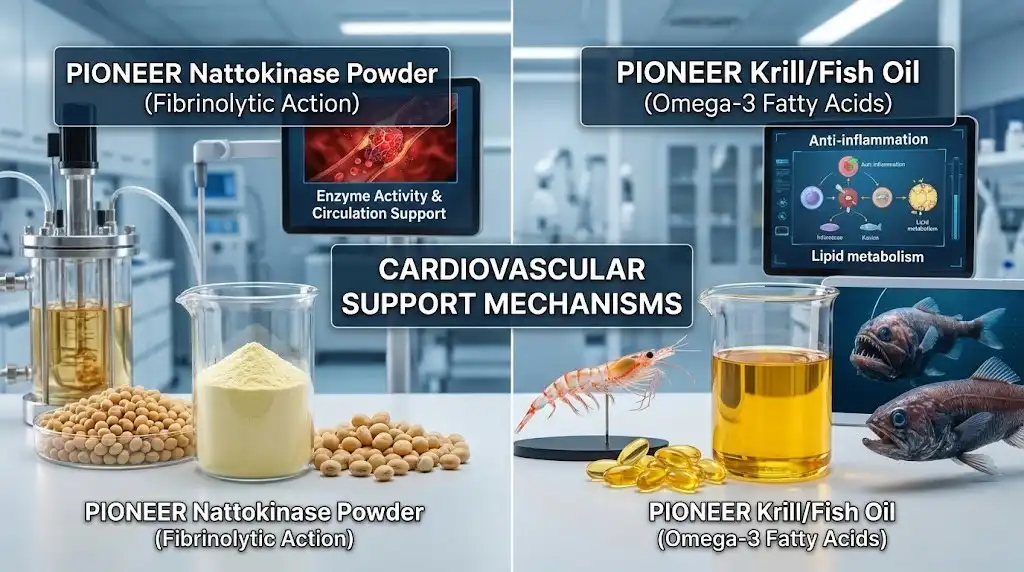
When assessing cardiovascular bolster choices for supplement details, both nattokinase powder and angel oil rise as compelling choices, each advertising particular components of activity. Nattokinase powder, inferred from aged soybeans, gives fibrinolytic action that underpins solid circulation and blood flow, whereas krill oil conveys omega-3 fatty acids that combat aggravation and back the lipid digestion system. The ideal choice depends on your target showcase, detailing necessities, and particular cardiovascular well-being objectives for conclusion buyers.
Understanding Nattokinase and Fish Oil: Heart Support Essentials
Producers looking to meet heart wellbeing requests have a few alternatives in the cardiovascular supplement industry. Understanding the basic highlights of these two key constituents makes a difference in buying choices, coordinating showcases, and situating client expectations.
Nattokinase Enzyme Action Science
Nattokinase is a one-of-a-kind proteolytic chemical from natto, a Japanese dish made by maturing soybeans with Bacillus subtilis microscopic organisms. This chemical is astounding at breaking down fibrin, a protein involved in blood clots. Nattokinase advances blood clot breakdown and fitting blood thickness, agreeing to clinical ponder. Its chemical structure licenses the protein to work systemically in the cardiovascular framework, maybe progressing blood vessel wellbeing and circulation. Fabricating components incorporates protein action units, measured in fibrinolytic units (FU), which affect item strength and client dose.
Omega-3 Cardiovascular Components in Angel Oil
Two basic omega-3 fatty acids—EPA and DHA—provide most of the cardiovascular benefits of angel oil supplementation. These chemicals decrease fiery pointers, advance solid triglycerides, and protect blood vessel adaptability to bolster heart wellbeing. EPA makes a difference in overseeing cardiovascular irritation, though DHA keeps up cellular film judgment and neurological work. These greasy acids' concentration proportions in angel oil details influence restorative potential and commercial situating.
Formulation and Bioavailability
Product manufacturers must choose substances based on absorption. Nattokinase is most bioavailable on an empty stomach since stomach acid may decrease enzyme activity. This affects capsule design, enteric coating, and use directions. Formulations' molecular form affects fish oil absorption. Triglyceride forms absorb better than ethyl ester forms, however processing costs and stability may affect ingredient selection. For liquid and functional food compositions, emulsification may improve absorption.
Evaluating Heart Health Benefits: Nattokinase Powder vs Fish Oil
Both compounds provide evidence-based cardiovascular assistance, although they address distinct heart health issues. This differentiation allows for tailored pure nattokinase powder marketing and cardiovascular wellness combo formulations.
Circulation and Clot Prevention Benefits of Nattokinase
Nattokinase supports great blood weight, particularly in high readers, agreeing to clinical trials. Concurring with the cardiology diary investigation, day-by-day nattokinase intake may offer assistance in keeping up ordinary systolic and diastolic blood weight, particularly in specific socioeconomics. The enzyme's fibrinolytic work underpins circulatory well-being past clot avoidance. Analysts accept nattokinase may upgrade vitality and cardiovascular work by keeping up fringe tissue blood flow. These points of interest make nattokinase-based items perfect for dynamic grown-ups and matured populaces with circulatory troubles. Clear labeling and healthcare-proficient interviews are required due to anticoagulant sedatives. Upkeep of adequacy and security requires fabricating quality control to keep up protein action levels over batches.
Fish Oil's Anti-inflammatory and Lipid-Controlling Properties
Numerous ponders recommend cod liver oil's adequacy in cholesterol control and cardiovascular aggravation administration. Omega-3 supplementation bolsters the lipid digestion system and normalizes triglycerides, according to clinical trial meta-analyses. Anti-inflammatory EPA and DHA may move forward blood vessel well-being and endothelial work all through the cardiovascular framework. Angel oil is perfect for metabolic well-being and cardiovascular wellness details due to these components. Overwhelming metal testing, oxidation anticipation, and maintainable sourcing certifications influence angle oil quality. Quality and natural obligation claims are affecting B2B buy choices as businesses recognize their goods.
Comparisons of Security and Side Effects
Recommended sums of both substances are ordinarily secure. Nattokinase's main contraindication is blood-thinning drugs; subsequently, at-risk individuals require express labeling and a healthcare professional meeting. Progressed handling and detailing strategies offer assistance to decrease krill oil's direct unfavorable impacts, which may incorporate gastrointestinal trouble or a fishy flavor. Angel and soy allergens may respond depending on preparation and cross-contamination evasion.
Market Comparison: Nattokinase Powder vs Fish Oil from a Procurement Viewpoint
The worldwide cardiovascular supplement industry offers unique possibilities and difficulties for each component type. Understanding these market dynamics helps strategic buying choices match long-term corporate goals and consumer trends.
Supply Chain and QA Considerations
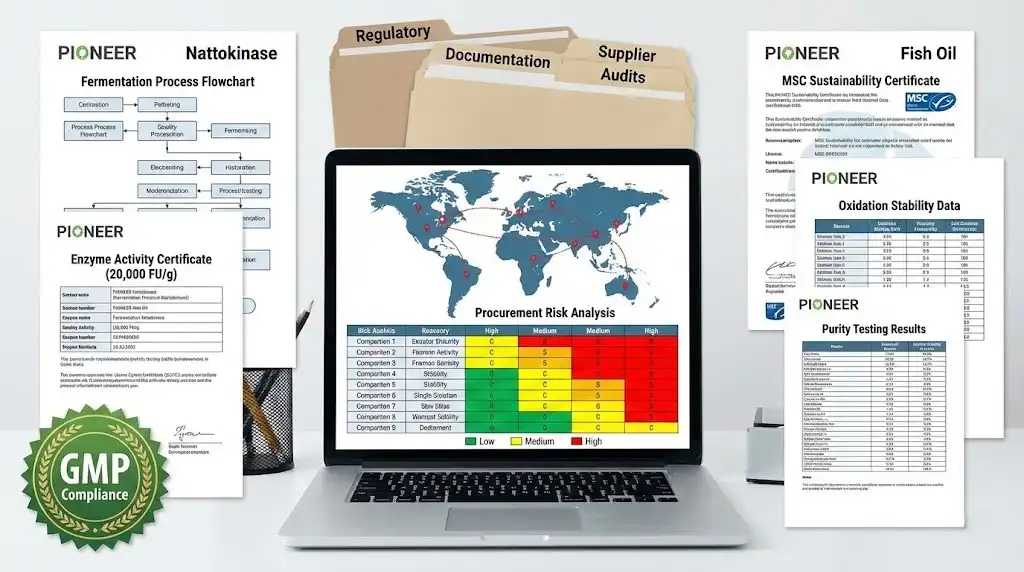
Nattokinase source needs rigorous fermentation and enzyme standardization. Reliable vendors use tight quality control measures to preserve enzyme activity and reduce batch-to-batch fluctuation. Good Manufacturing Practice compliance and verified analytical enzyme activity verification are common certification criteria. Though current biotechnology allows high-quality pure nattokinase production in many locales, proximity to traditional natto producing regions is a factor. Established supplier partnerships with strong fermentation and quality assurance skills improve supply chain stability. Sustainability certificates, heavy metal tests, and oxidation avoidance are evaluated while buying fish oil. Marine Stewardship Council accreditation and third-party purity testing are now industry norms that impact brand positioning and purchases.
Regulatory Compliance and Documentation
Both compounds need extensive documentation to meet target market regulations. Pharmaceutical and nutraceutical sector regulations require nattokinase vendors to produce enzyme activity parameters, safety data, and production process documentation. Certificates of analysis, heavy metal testing, and oxidation stability data are common fish oil paperwork. Import laws and quality requirements may affect supplier selection and inventory management in international commerce. Suppliers with ISO certificates, HACCP compliance, and verified analytical testing help quality assurance procedures. These certifications decrease procurement risk and help manage brand reputation in competitive marketplaces.
Cost-Effectiveness and Market Positioning
Ingredient prices greatly affect product positioning and market accessibility. Nattokinase costs more than fish oil owing to its fermentation needs and lesser manufacturing quantities. Nattokinase products are priced as premium supplements to attract cardiovascular support enthusiasts. Established supply networks and higher production quantities make fish oil prices competitive. This cost advantage helps mass market positioning and demographic accessibility, although premium fish oil grades with specialist processing may fetch higher prices in specific markets. Minimum order quantities, storage, and inventory turnover rates affect volume buying. These variables affect supplement makers and distributors' cash flow and working capital.
How to Choose Between Nattokinase Powder and Fish Oil for Your Heart Health Product Line
Target demographics, market positioning goals, and competitive environment must be considered while selecting strategic ingredients. Both elements have distinct value propositions for various company strategies and customer categories.
Consumer preferences and target market demographics
Agreeing to the shopper's inquiry about nattokinase, it is well known with health-conscious individuals looking for cardiovascular support and those interested in conventional wellness strategies with current logical backing. This gather likes interesting fixing stories and instruments of activity and is arranged to purchase expensive supplements. Angel oil offers numerous socioeconomics, from wellness searchers to performance-oriented individuals. The ingredient's omega-3 status and logical foundation give it showcasing and buyer adequacy points of interest. Territorial inclinations and social fixing recognition are geographic components. Asian markets may favor nattokinase owing to social recognition, while Western markets may select krill oil due to omega-3 knowledge.
Product Detailing and Fabricating Requirements
Nattokinase's chemical nature requires cautious definition of pH, temperature, and capacity. Viable definitions utilize excipients and bundling to hold chemical movement all through rack life. Combining nattokinase with cardiovascular sustenance without interfering with protein work is conceivable. These components influence item improvement and fabrication. Building up preparing forms and point-by-point wholesome fixing of compatibility information helps angle oil details. Embodiment advances control of flavor and odor while keeping up item solidness and client worthiness.
Strategic Long-Term Supplier Relations
Assessing technical support, quality, and supply chain resilience is essential for successful supplier relationships. Preferred vendors provide technical documents, formulation advice, and prompt customer service to help product development and production succeed. Risk reduction includes supplier diversification, quality control, and crucial ingredient inventory buffers. These methods help maintain company continuity and competitive advantage in changing markets.
Conclusion
The choice between nattokinase powder and angel oil for heart bolster details depends on particular advertising goals, target socioeconomics, and detailing prerequisites. Nattokinase powder offers one-of-a-kind fibrinolytic benefits that back circulation and the bloodstream, engaging buyers looking for specialized cardiovascular arrangements. Algae oil gives the same omega-3 benefits with a wide advertising request and broad investigative validation.
Successful fixing choice requires cautious thought of quality guidelines, provider unwavering quality, and administrative compliance prerequisites. Both fixings offer profitable openings for cardiovascular item improvement when sourced from trustworthy providers who keep up reliable quality and give comprehensive specialized back.
FAQ
1. How much nattokinase should supplements contain?
Clinical trials use 100–200 mg of nattokinase daily, standardized to generate 2,000–4,000 fibrinolytic units of enzyme activity. These dose levels have shown cardiovascular benefits in study while being safe. When setting dose recommendations for particular formulations, product manufacturers should consider target demographics, anticipated usage patterns, and regulatory constraints.
2. Can nattokinase and fish oil be mixed safely?
Both substances may be safely mixed with suitable formulation. Nattokinase may improve circulation and fish oil may reduce inflammation. For maximum effectiveness and shelf life, formulation pH, stability testing, and enzyme activity preservation must be carefully assessed throughout product development.
3. What distinguishes nattokinase from fish oil for cardiovascular support?
Nattokinase enhances cardiovascular health by fibrinolytic enzyme activity that improves blood flow. Omega-3s in fish oil decrease inflammation and promote lipid metabolism. These pathways enable customized product positioning and combination tactics for cardiovascular health.
Partner with Pioneer Biotech for Premium Cardiovascular Ingredients
Pioneer Biotech offers high-quality nattokinase powder and complete component solutions for cardiovascular supplement production. We are the best nattokinase powder supplier for heart health product projects because to our production quality, regulatory compliance, and client success.Our ISO9001, HALAL, KOSHER, and FDA certifications show our dedication to quality and compliance. Our pure nattokinase powder and other cardiovascular support substances satisfy strict international purity, potency, and safety requirements with these certificates. Advanced analytical testing, batch-to-batch consistency verification, and regulatory-compliant documentation are part of our quality control methods.
Contact our experienced team at sales@pioneerbiotech.com to discuss your specific requirements and discover how our superior ingredients and technical expertise can enhance your product portfolio. We provide detailed specifications, samples, and customized solutions that ensure your cardiovascular formulations meet the highest standards for efficacy, safety, and market success.
References
- Chen, H., McGowan, E.M., Ren, N., Lal, S., Nassif, N., Shad-Kaneez, F., ... & Lin, Y. (2018). Nattokinase: A promising alternative in prevention and treatment of cardiovascular diseases. Biomarker insights, 13, 1177271918785130.
- Yanagisawa, Y., Ishibashi, K., Ikeda, N., Maeda, K., Tashiro, A., Tamura, H., ... & Sekikawa, M. (2010). Effect of nattokinase on blood pressure: a randomized, controlled trial. Hypertension Research, 33(4), 331-336.
- Kapoor, R., & Huang, Y. S. (2006). Gamma linolenic acid: an antiinflammatory omega-6 fatty acid. Current pharmaceutical biotechnology, 7(6), 531-534.
- Harris, W. S., Miller, M., Tighe, A. P., Davidson, M. H., & Schaefer, E. J. (2008). Omega-3 fatty acids and coronary heart disease risk: clinical and mechanistic perspectives. Atherosclerosis, 197(1), 12-24.
- Sumi, H., Hamada, H., Tsushima, H., Mihara, H., & Muraki, H. (1987). A novel fibrinolytic enzyme (nattokinase) in the vegetable cheese Natto; a typical and popular soybean food in the Japanese diet. Experientia, 43(10), 1110-1111.
- Mozaffarian, D., & Wu, J. H. (2011). Omega-3 fatty acids and cardiovascular disease: effects on risk factors, molecular pathways, and clinical events. Journal of the American College of Cardiology, 58(20), 2047-2067.