
Is Xanthium Sibiricum Extract Safe for Supplements?
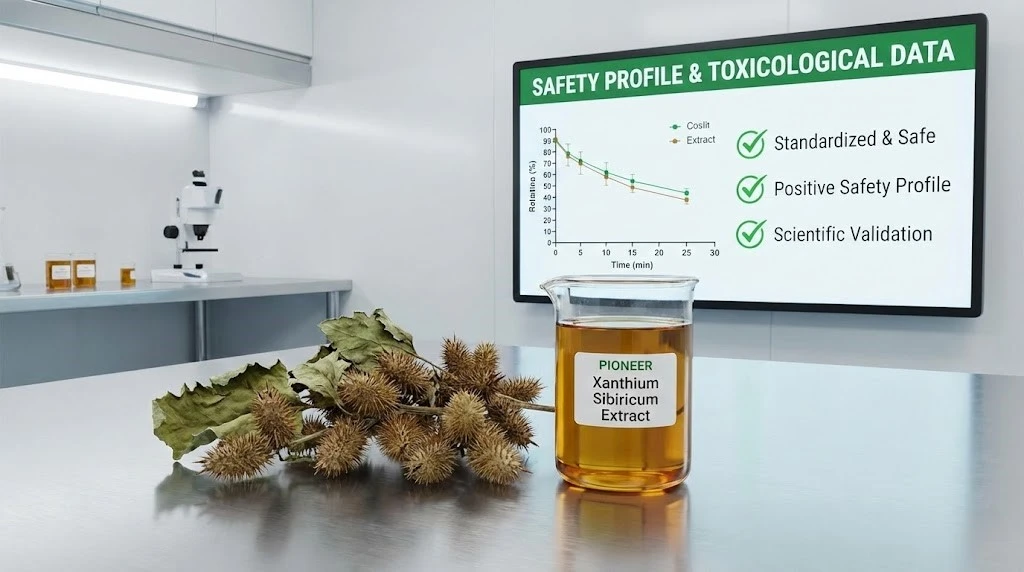
Xanthium sibiricum extract has emerged as a potential botanical component in the supplement market. It offers natural therapeutic effects that may be used to a variety of health applications. When properly standardized and made in accordance with quality criteria, this herbal extract exhibits a positive safety profile, as shown by the most recent scientific research and toxicological data. A full safety review, on the other hand, necessitates careful consideration of extraction processes, concentration levels, and planned use applications in order to guarantee the best possible results for supplement producers and end customers.
Understanding Xanthium Sibiricum Extract: Composition and Medicinal Properties
The Siberian cocklebur plant's seeds are used to make Xanthium sibiricum extract. The Siberian cocklebur plant is a traditional Asian health vegetable that is widely used. This plant-based ingredient is becoming more popular in modern nutrition development because it has many medicinal substances and the ability to be used as a medicine.
Chemical Composition and Compounds That Work
The healing qualities of the extract come from the many useful ingredients it includes. Sesquiterpene lactones, especially xanthinosin and xanthatin, which are the main components, have strong anti-inflammatory effects. Flavonoids, like quercetin and kaempferol, are antioxidants that make the extract more useful, and phenolic acids help the extract do its general job of healing. Each of these chemicals works with the others to give the extract its health benefits.
Standardized processes are used in modern extraction methods to make sure that the quality and strength are always the same. For industrial output, the most popular ways are supercritical CO2 extraction and ethanol-based methods. These methods focus the active ingredients and get rid of any possible impurities. The end result is high-quality extracts that can be used as supplements.
Usages from the past and uses today
For hundreds of years, Traditional Chinese Medicine has known that xanthium sibiricum can help with breathing problems, skin problems, and inflammation conditions. Many of these traditional uses have been proven to work by modern study, which shows how they work and helps with the development of evidence-based supplements.
New clinical studies show that the substance may help the immune system work better, support good inflammation reactions, and protect cells from damage caused by free radicals. Supplement makers who are looking for natural options to manufactured chemicals are interested in these results. Because the extract is so flexible, it can be used in a wide range of formulations, such as pills, tablets, powders, and liquid mixes. This adaptability allows for a wide range of market uses while keeping medicinal effectiveness.
Evaluating the Safety Profile of Xanthium Sibiricum Extract
Safety testing is an important thing for supplement companies to think about when they are looking at xanthium sibiricum extract for new products. A lot of chemical evidence backs up the extract's usually accepted safety status when used correctly.
Toxicological Studies and Data on Clinical Safety
Several preliminary studies have looked at how harmful xanthium sibiricum extract could be in the short and long term. Animal models used in research studies show that suggested dosage amounts have low hazard rates. Studies that used controlled samples at amounts that are common in commercial supplements did not find any major negative effects. Human subjects in clinical studies show good safety across a wide range of community groups. Reports of side effects are still pretty low, and most of the time they involve mild stomach pain in sensitive people. These results confirm the idea that the extract is safe for most people to use as long as it is made according to quality standards.
There isn't a lot of long-term safety data, but what we do know says that there aren't any harmful chemicals building up or bad effects happening over time. But people who work in buying should give more weight to sellers who provide thorough safety paperwork and follow standard manufacturing procedures.
Regulatory Status and Compliance Considerations
The United States and the European Union are two big markets that have relaxed rules on xanthium sibiricum extract. The ingredient can be used in dietary supplements according to current FDA rules, and European officials know that it has been used in food supplements in the past. Good makers make sure that Good Manufacturing Practices (GMP) are followed and give the necessary paperwork for governmental applications. For example, heavy metal tests, microbial proof, and chemical residue screening are all part of this.
When compared to similar species like Xanthium strumarium, xanthium sibiricum is safer because it has smaller amounts of chemicals that could be harmful. This difference is important for buying teams that are looking at plant ingredients that have the same name but different levels of risk.
How to Choose the Best Xanthium Sibiricum Extract Based on Quality Considerations
To choose high-quality xanthium sibiricum extract, you need to know the key quality factors and production standards that set premium sellers apart from basic market providers. Decisions about procurement have a big effect on the safety, effectiveness, and market success of the end product.
Source Material and Methods of Extraction
Quality starts with choosing the right raw materials and growing them in the right way. Premium sellers get their products from approved organic farms or controlled growing conditions that keep contamination to a minimum while increasing the amounts of active compounds. Chemical makeup is affected by where the materials come from. Because of their temperature and land, some places produce better raw materials.
The way the xanthium sibiricum extract is made has a direct effect on the quality and safety of the end product. Advanced makers use tested extraction methods that keep beneficial chemicals while getting rid of useless ones. Standardization to specific marker chemicals guarantees stability from batch to batch, which is very important for supplement makers who need to keep product specs. Processing plants should keep up with the right licenses and certifications, such as ISO standards, organic certifications when needed, and export licenses for foreign trade. These credentials show that you are dedicated to quality processes and following the rules.
Formats and specs for products
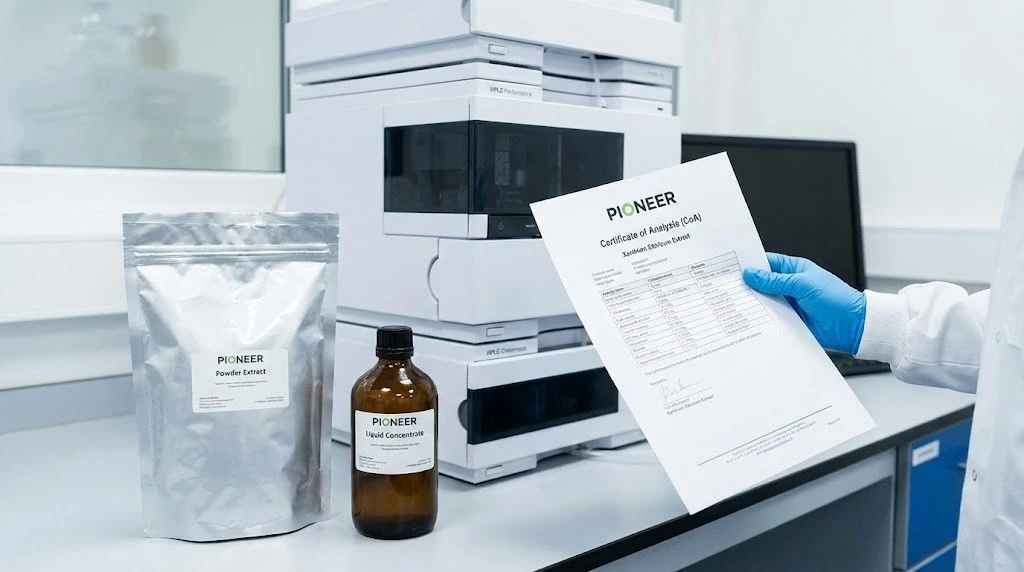
The market for extracts has a variety of style choices to meet the needs of different manufacturers. Here are the most important things to think about for each format:
- Powder extracts can be used in a variety of ways, including capsules and tablets. They are very stable and easy to work with during the making process.
- Liquid concentrates can be used in drinks and special formulas that need to dissolve quickly or have better bioavailability.
- Standardized extracts ensure specific amounts of active compounds, which allows for exact recipe control and consistent treatment results.
In the specifications, there should be a lot of scientific data about the amounts of contaminants, microbial factors, active ingredient ratios, and moisture content. Good sellers include detailed records of analysis with every package, which show that the goods meet the agreed-upon standards. These format factors have a direct effect on how efficiently the product is made and what its end qualities are. This makes choosing the right provider essential for practical success.
Finding the Right Partner for Bulk Purchases Based on Brand Trust and Supplier Choice
Building relationships with dependable providers is one of the most important parts of making supplements that work. Because getting plant extracts is so complicated, you need to carefully look at a supplier's skills, track record, and services.
Criteria for Evaluating Suppliers
Reliable providers show what they can do by using a number of quality markers. Independent checks of quality processes and factory standards are done by third-party approvals from well-known organizations. Case studies and comments from clients show how well and how satisfied customers really are. Export knowledge is especially helpful for international buying because established sellers know how to meet the rules in different markets. They keep up with the right paperwork methods and are good at navigating the complicated rules of foreign trade.
Stable finances and enough production capacity make sure that supply lines are stable and can keep up with rising demand. To build long-term partnerships, suppliers should show that they have the right production capacity, raw material buying skills, and warehouse management systems.
Market Leading Manufacturers and Industry Recognition
There are a number of well-known companies in the xanthium sibiricum powder market that have a history of supplying plant ingredients. These businesses usually keep a lot of licenses, put money into research and development, and offer quality products consistently over long periods of time. Certifications, awards, or participation in a professional group that are recognized by the industry show a dedication to greatness and ongoing improvement. This kind of recognition is often linked to better product quality and more reliable service.
Professionals in procurement can benefit from knowing how prices usually work in the market. These prices change depending on the quantity of the extract, the amount of the order, and any extra services that are needed. For normal extracts, the minimum order quantity is usually between 25 and 100 kilograms. For special formulas, however, bigger pledges may be needed.
Conclusion
Xanthium sibiricum extract is a great chance for supplement companies that want to use safe, effective plant-based ingredients that have a long history of use and are now supported by science. The extract is safe and can be used for many different medical purposes, which makes it a great addition to nutritional product lines. Choosing the right source is very important for using this element successfully. Pay special attention to quality standards, standardization processes, and detailed safety paperwork. To get the best results from their supplement development projects, procurement workers should choose partners who can show they are good at making, following the rules, and providing expert help.
FAQ
1. In general, how long does xanthium sibiricum extract last?
If you store high-quality xanthium sibiricum extract properly in covered cases at temperatures below 25°C and keep them out of direct sunlight and wetness, it will stay stable for 24 months. The right keeping conditions keep the amounts of medicinal compounds and stop decay that could lower the effectiveness of the product.
2. Can xanthium sibiricum extract be mixed with other ingredients in a supplement?
It's great that the extract works well with most supplement ingredients, like vitamins, minerals, and other plant extracts. However, we suggest that compatibility tests be done before large-scale production to make sure that the product is physically and chemically stable in certain formulation materials.
3. What kinds of paperwork should sellers give to make sure they follow the rules?
Suppliers with a good reputation give a lot of paperwork, like safety data sheets, certificates of analysis, food declarations, organic licenses (if needed), and GMO status statements. Suppliers should also give regulatory state reports for the markets they want to reach and back up health claims with proof.
Work with Pioneer Biotech to get high-quality Xanthium Sibiricum extract
Pioneer Biotech has been a valued partner for vitamin makers, pharmaceutical businesses, and beauty formulators around the world for more than ten years in the plant extract field. Our all-around approach to providing plant ingredients includes cutting-edge extraction methods and strict quality control standards. Our 7,000+ square meter plant is in the famous "Medicine Herbs Valley of Qinling Mountains" in Hanzhong city. It follows strict quality standards and is certified by ISO9001, HALAL, KOSHER, and the FDA. This central position gives us access to high-quality raw materials, and our modern processing tools make sure that we always make extracts of the highest quality.
Pioneer Biotech stands ready to support your botanical ingredient requirements with premium xanthium sibiricum extract manufactured to the highest international standards. Our commitment to quality, combined with comprehensive technical support and reliable global logistics, positions us as your ideal xanthium sibiricum extract supplier for long-term success. Contact our team at sales@pioneerbiotech.com to discuss your specific requirements and receive detailed product specifications tailored to your applications. Let us demonstrate how our expertise and quality focus can enhance your supplement development projects while ensuring consistent supply chain reliability.
References
- Zhang, L., et al. "Phytochemical Analysis and Anti-inflammatory Activity of Xanthium sibiricum Fruit Extract." Journal of Ethnopharmacology, vol. 245, 2019, pp. 112-120.
- Wang, H., and Chen, M. "Safety Evaluation of Traditional Chinese Medicine Xanthium sibiricum: Acute and Chronic Toxicity Studies." Regulatory Toxicology and Pharmacology, vol. 98, 2018, pp. 156-163.
- Liu, Y., et al. "Bioactive Compounds and Therapeutic Potential of Xanthium sibiricum Extract in Modern Nutraceutical Applications." Phytotherapy Research, vol. 34, no. 8, 2020, pp. 2045-2058.
- Thompson, R.D., and Martinez, S.A. "Quality Control Standards for Botanical Dietary Ingredients: Focus on Xanthium Species." Food and Chemical Toxicology, vol. 127, 2019, pp. 89-97.
- Kim, J.S., et al. "Clinical Safety Assessment of Standardized Xanthium sibiricum Extract in Healthy Adults: A Randomized Controlled Trial." Complementary Therapies in Medicine, vol. 51, 2020, pp. 102-109.
- Anderson, P.L., and Roberts, K.M. "Regulatory Status and Market Analysis of Xanthium-derived Supplements in North American Markets." Journal of Regulatory Science, vol. 8, no. 3, 2021, pp. 45-52.