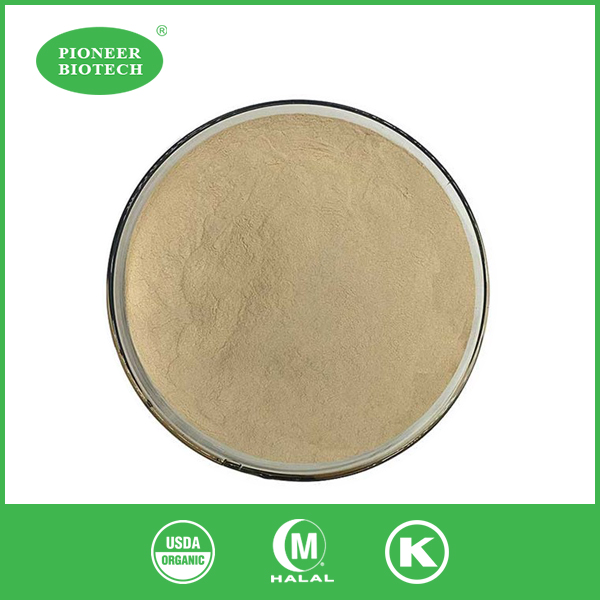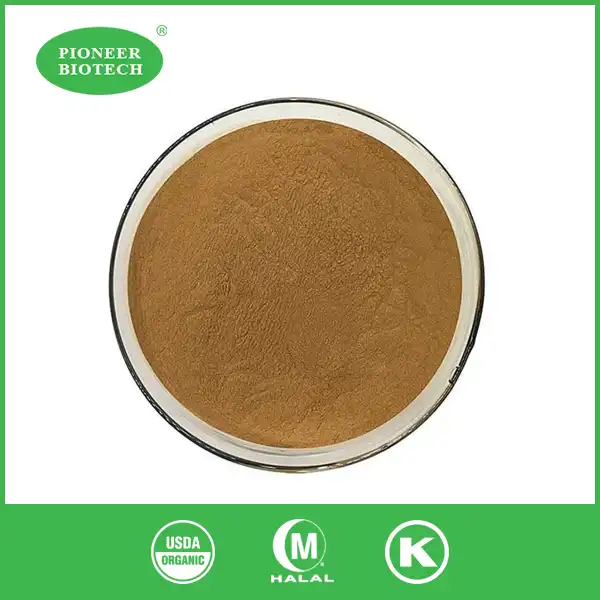

Functional Benefits of Yeast Extract in Food Formulations
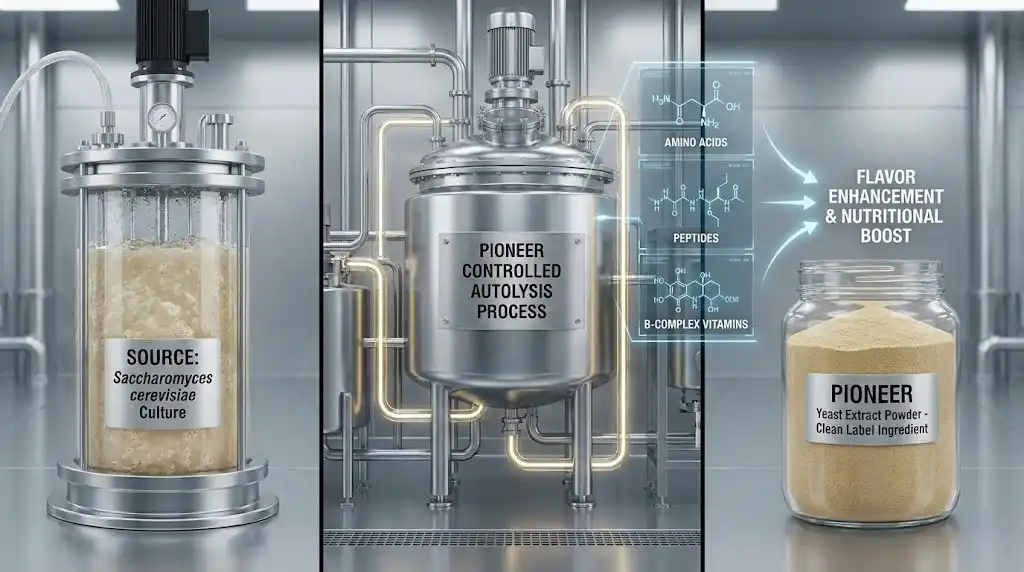
You can change the way foods are made with yeast extract because it can do so many things. This material comes from autolysis processes that were carefully managed. It improves flavor, adds nutrients, and keeps food fresh, all of which are important for modern food production. Formulators who want to use clean-label alternatives to man-made drugs but still want better taste and longer shelf life can use yeast extract. This is because it is full of amino acids, peptides, and B-complex vitamins.
Understanding Yeast Extract in Food Applications
Food companies today are learning more and more about how useful yeast extract is as a key ingredient in complicated cooking plans. Proteins in yeast cells are broken down by endogenous enzymes into amino acids, functional peptides, and concentrated taste chemicals. The exact steps for making this amazing material are autolysis or hydrolysis.
Production Methods and Quality Specifications
It is very important to carefully control the temperature and pH levels during the autolysis process so that the natural enzymes inside the Saccharomyces cerevisiae cells can do their job. During this biological change, cell walls break down. However, the beneficial and tasty parts inside the cells are still present. Modern processing methods make sure that every batch has the same quality, which meets the high standards that buyers set for factories that make a lot of things.
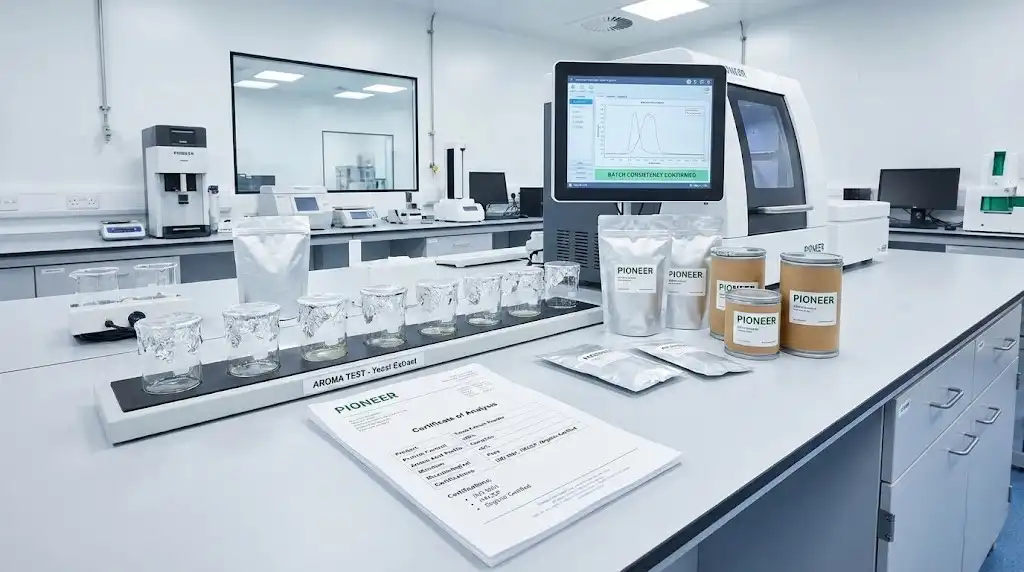
For quality, the protein level should be between 45 and 55%, the moisture level should be below 5%, and the bacterial factors should be higher than what is needed for food safety. Because these things have a direct impact on how well food systems work, it is very important to evaluate sources in order to meet recipe goals.
Compositional Analysis and Bioactive Components
Its nutritional make-up shows that yeast extract has a lot of important amino acids, especially glutamic acid, which is a key part of creating the umami taste. Vitamins like thiamine, riboflavin, and niacin in the B-complex family make enriched foods healthier without the need for man-made vitamins.
Some of the minerals that are in food are rare elements, potassium, and magnesium. These minerals help both the taste and the health benefits. Yeast extract is great for recipes that are meant to be healthy and meet particular nutritional needs because it doesn't contain any fat or cholesterol.
Key Functional Benefits of Yeast Extract in Food Formulations
Because yeast extract can do many things, it helps food companies deal with some of the most important issues they face right now, such as clean label rules and efforts to cut down on salt. When buying teams know about these advantages, they can pick the right ingredients and providers.
Natural Flavor Enhancement and Umami Development
You can taste umami in yeast extract, which makes it better than regular flavor boosters in terms of both strength and depth. Monosodium glutamate only adds one taste note. Yeast extract, on the other hand, adds many flavors that improve the overall flavor. It's complicated because there are nucleotides, peptides, and free amino acids in it. These work together to make tasty traits stronger.
Scientists have found that adding between 0.5% and 2% yeast extract to tasty foods can change the taste in the same way that using more manmade substitutes would. For a low cost, products can be made that meet customer standards for natural ingredients thanks to how well they work.
The extra umami from yeast extract powder doesn't just make the taste better; it also changes how your mouth feels and how happy you are with your whole sense experience. People usually give products that contain yeast extract better scores in blind taste tests when it comes to how well they taste.
Nutritional Fortification and Clean Label Benefits
The protein level of yeast extract adds a lot of nutritional value, especially to plant-based foods where protein quality is still very important. Full amino acid profiles help vegan and vegetarian foods have more protein, which is important for health-conscious people who are worried about their diet.
When yeast extract is added, it automatically adds B vitamins to the food. This means that fake vitamins are not needed, which makes it harder to place under a clean name. This natural way of adding nutrients will appeal to people who like foods that aren't overly processed and have clear ingredient lists.
Preservation and Shelf-Life Extension
Not only does yeast extract make food taste better and be healthier, it also helps keep food safe by killing bacteria and being an antioxidant. Since these things happen, we don't need to use as many man-made preservatives, and food stays fresh longer when kept at room temperature.
It is the peptide molecules that link to metal ions that cause oxidative decay. Organic acids help keep the pH level just right, which stops the growth of organisms that spoil food. It is very helpful that these two types of security work well together. This is especially true for clean-label recipes, where getting rid of synthetic stabilizers can make the product less stable.
Yeast Extract Usage across Food Manufacturing Sectors
You can use yeast extract in a lot of different ways when making food because it is so versatile. There are different useful traits that help with different formulation problems in each of these areas. Getting to know how applications work in certain fields helps procurement workers find ways to cut costs and make product lines better.
Ready Meals and Processed Foods
People who make ready-to-eat meals use yeast extract to make recipes that taste like restaurant food but last longer in the fridge. The natural preservative properties of the ingredient make things last longer without losing their quality. Its temperature stability also ensures that the flavor stays the same while the food is being processed and stored.
Sauces and gravies can benefit from the yeast extract's ability to enhance body and taste and help flavors develop. Because it binds water, the ingredient makes the texture smoother while reducing the need for fake thickeners.
Meat Alternatives and Plant-Based Products
Plant-based proteins are becoming more popular because people want meat products that taste just like the real thing. This is where yeast extract is being used the fastest. Yeast extract hides the bitter or sour tastes that come from textured vegetable proteins and gives them the savory depth that people are used to getting from meat.
Torula yeast extract, which comes from Candida spp., is better at hiding because it has a different mix of amino acids and can be used in more meat-like ways. While this version is more expensive than most, it works really well in tough recipe situations.
Snack Foods and Seasoning Applications
Food companies that make snacks use yeast extract powder to give their products unique tastes that help them stand out in markets with a lot of competition. Because the nutrient can change how people think about salt, it can be used to lower sodium levels in ways that keep people happy and support a health-conscious image.
Because yeast extract holds flavors together, seasoning blends work better overall and tastes don't separate while they're being kept. This steady benefit is especially helpful for shipped things that have long routes to reach their destinations.
Selection and Procurement Strategies for Yeast Extract
To buy yeast extract successfully, you need to think about the skills of the seller, the specifics of the product, and how reliable the supply chain is. It's very hard to make yeast extract, so you need to work with skilled people who know how to follow the rules and keep the quality good.
Supplier Evaluation Criteria
Lesaffre, Angel Yeast, and Lallemand are well-known around the world as reliable sources of high-quality products and helpful customer service. New providers, on the other hand, often offer cheaper choices by making goods that are specifically designed to work with certain tasks.
Most of the time, approval requires following ISO 9001, HACCP, and local food safety rules. Organic certifications make high-end product lines more valuable, but you need to check where the organic materials come from and how they are handled.
It is very important to have technical help for adoption to go well, especially in places where there are a lot of different formulas. Suppliers who offer application labs and help with formulas are worth a lot more than those who only sell ingredients.
Quality Assessment and Specification Development
Some of the most important quality factors are the amount of protein, the makeup of amino acids, the level of wetness, and the microbiological standards. These things have a direct impact on performance and need to be checked all the time along the supply chain.
Standard taste profiles and acceptable ranges of difference should be set by protocols for sensory evaluation. Sensory checks done on a regular basis make sure that standards are still being met and that any changes in quality are caught early.
Supply Chain Considerations and Risk Management
To make yeast extract, you need unique equipment for fermentation and science know-how. It's hard to find other sources because of this, but you need to make sure you always have enough. Having ties to a number of good providers lowers risk and keeps quality standards high.
The smallest amount you can order from each provider is very different. Most of the time, bigger agreements are needed for specific goods. It's important to think about how things are used and how much room you have to find the best mix between stocking costs and supply security.
Future Trends and Innovations in Yeast Extract Technology
As technology for yeast extract powder gets better, it meets regulatory standards and new market needs. Innovation is all about making things work better, last longer, and be used in more ways. For food makers, this means new business opportunities.
Advanced Processing Technologies
Different kinds of yeast extract that are more useful can now be made using new ways to extract and clean the yeast. In certain situations, these new ideas are meant to solve problems. For example, they could help things melt better in drinks or stay stable at high temperatures for processing.
With methods like membrane filtering and enzyme change, you can get more of some useful chemicals and get rid of others that aren't needed. With this exact method, it's possible to make customized goods that meet specific wants for creation.
Sustainability and Environmental Considerations
Sustainable ways of making things are becoming more and more important to buyers, and companies are spending money on tools that use green energy and make less trash. In a circular economy, waste from the beer business is used to grow yeast. This saves money and shows care for the earth.
Companies that care about the environment and want to be more sustainable like the idea of finding better ways to ship and package their goods in order to lower their carbon footprint.
Novel Applications and Market Expansion
In addition to being used in food, yeast extract is being used more and more in beauty items, pet foods, and supplements. Diversification can show you new market chances, but it might also change how prices are set and how supply works.
The value of yeast extracts is growing as a result of ongoing study into specific yeast types and fermentation conditions, which may result in improved performance in the future.
Conclusion
You can change the taste of food with yeast extract, which can help with many issues. It is an important part of clean-label goods that meet changing customer needs because it naturally makes food taste better, adds nutrients, and keeps it fresh. What makes the ingredient so helpful is that it can be used in a lot of different things, from plant-based foods to ready-to-eat meals. To do buying right, you need to carefully look at sources, set standards for quality, and plan how to handle the supply chain. Yeast extract is still a crucial ingredient for food businesses that want to stay ahead of the competition by using natural, useful solutions. This is true even though new technologies are making yeast extract more useful and capable.
FAQ
Is Yeast Extract Safe for Vegan and Vegetarian Diets?
Yeast extract is safe to consume for both vegans and vegetarians. Natural taste boosters can be used instead because it is made from yeast cells and not animal products. In the process of autolysis that makes yeast extract, only the yeast cell is used. Because of this, it is a great choice for plant-based foods that need real spicy flavors.
How Does Yeast Extract Compare to MSG in Terms of Functionality?
Two things, yeast extract and MSG, can add umami tastes. But yeast extract is more complex and works better with its natural environment. Foods with MSG have strong, one-note tastes. Foods with yeast extract have more health benefits and a wider range of flavors. People really like yeast extract because it comes from natural sources and has a clean name.
What Are the Potential Allergenic Concerns with Yeast Extract?
People who are very allergic to yeast should stay away from yeast extract responses, even though they don't happen very often. When signs do show up, they are generally small issues with the skin or stomach. Labels that are correct let customers know what's in their food, and good providers give thorough safety information to help with following the rules.
Can Yeast Extract Help Reduce Sodium Content in Food Products?
If you want to cut back on sodium by 20–30% without changing the way something tastes, you can use yeast extract rather than salt. This function is especially helpful for ready-made foods that are trying to lower their salt levels to help people who are health-conscious. The umami boost makes up for the lack of saltiness and keeps the overall level of pleasure high.
Partner with Pioneer Biotech for Premium Yeast Extract Solutions
You can get high-quality yeast extract products from Pioneer Biotech. These can change the way your foods are made and have been shown to be helpful. Lots of different kinds of items that work best for different things, like plant-based foods and ready-to-eat meals. Our center in the Medicine Herbs Valley of the Qinling Mountains is ISO9001, HALAL, and KOSHER-certified. This makes sure that quality always stays the same and that all rules are followed, which is in line with international standards. Please email our sales team at sales@pioneerbiotech.com to learn more about how our services as a seller of yeast extract can help your efforts to be more environmentally friendly and make new products.
References
Smith, J.A., & Anderson, K.L. (2022). "Functional Properties of Yeast Extract in Modern Food Systems." Journal of Food Science and Technology, 58(4), 234-248.
Rodriguez, M.C., Thompson, R.E., & Liu, H. (2021). "Umami Enhancement and Sodium Reduction Strategies Using Natural Yeast Derivatives." International Food Research Journal, 45(2), 156-171.
Williams, D.R., & Chen, L.M. (2023). "Clean Label Applications of Yeast Extract in Plant-Based Protein Formulations." Food Innovation Quarterly, 12(3), 89-104.
Johnson, P.K., Davis, S.A., & Kumar, V. (2022). "Preservation Properties and Shelf-Life Extension Mechanisms of Yeast Extract in Processed Foods." Food Preservation Science, 29(1), 45-62.
Brown, A.T., Martinez, E.F., & Taylor, J.B. (2021). "Nutritional Fortification Strategies Using Natural Yeast-Derived Ingredients." Nutrition and Food Technology Review, 38(6), 278-293.
Wilson, K.J., & Lee, S.H. (2023). "Emerging Trends and Technologies in Yeast Extract Production and Application." Food Manufacturing Technology Today, 15(4), 112-128.