
Fucoxanthin Powder for Functional Food Products
A new and interesting ingredient called fucoxanthin powder comes from sea life. It will change the way functional food is made for companies that are ready to adapt. The amazing xanthophyll color comes from brown seaweeds like Undaria pinnatifida and Laminaria japonica, and it is very good for your digestion. A unique thing about fucoxanthin powder is that it naturally helps people lose weight by turning on uncoupling protein 1 (UCP1) in white fat tissue. Because of this, it is an important part of the next crop of useful foods and drinks for people who care about their health.
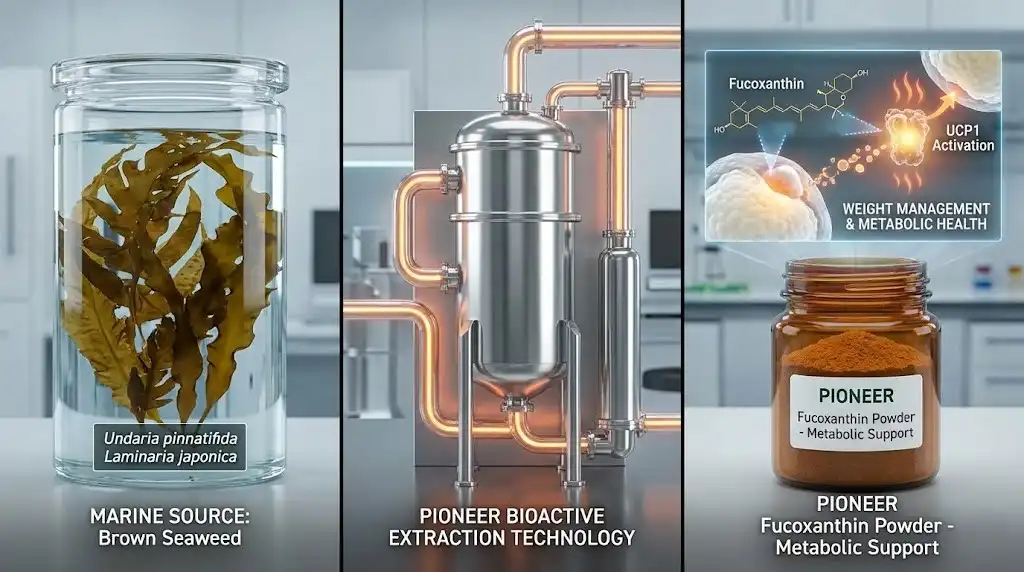
Understanding Fucoxanthin Powder: Origins, Properties, and Benefits
Marine Origins and Extraction Excellence
Some brown algae, like Wakame seaweed and Kombu, naturally have a lot of this strong pigment built into their cells. This is where fucoxanthin powder comes from. Modern methods of supercritical CO2 extraction protect the molecular structure of this substance while getting rid of unpleasant sea smells and heavy metal contamination that are common in cheaper goods.
There is a special link and structure in fucoxanthin molecules that make them different from terrestrial carotenoids. Because of how it's structured, it works better in the body than most antioxidants, especially when it comes to metabolic uses where other ingredients fail.
Physical and Chemical Properties
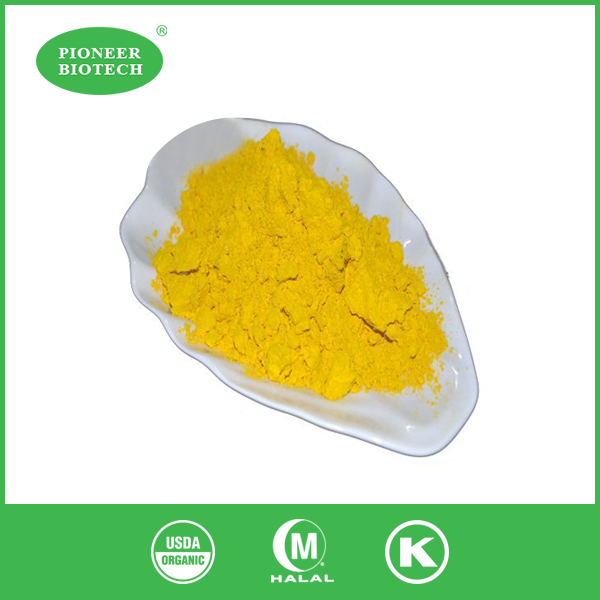
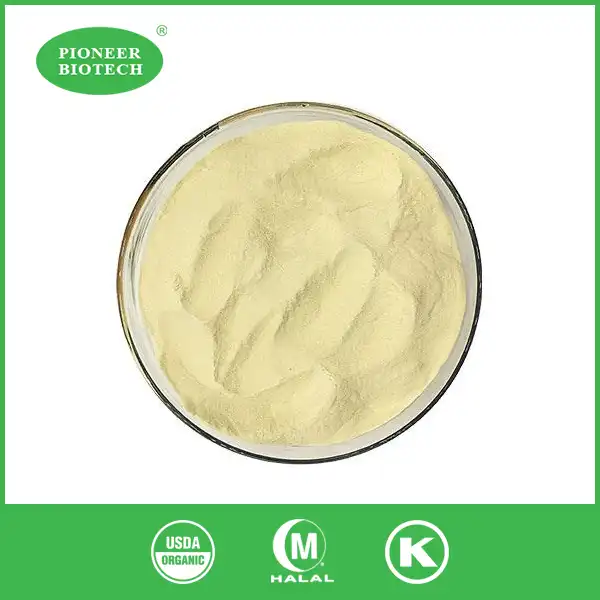
A fine, solid, orange- to reddish-brown material is how high-quality fucoxanthin powder appears. An HPLC test showed that its average strength levels are between 1% and 50%. Because the chemical is lipophilic, it needs to be delivered in a certain way or carried by oil in order to be most bioavailable in useful food uses.
The main science problems that formulators have to deal with are changes in light and temperature reactivity. High-end grades use microencapsulation technologies and cyclodextrin inclusion complexes to protect the active allenic bonds from reactive damage. Beadlets that dissolve in cold water (CWS) make it easy to add them to drinking systems without changing how stable or useful they are.
Evidence-Based Health Benefits
Clinical tests have shown that fucoxanthin can help people keep a healthy weight. It does this by turning on thermogenesis instead of boosting the central nervous system. Taking vitamins every day has been shown to help people lose belly fat and keep their lean muscle mass. This meets the rising need of customers for metabolism-boosting ingredients that are safe and work well.
Fucoxanthin is a strong antioxidant that does a better job than many others. It is especially good at beating singlet oxygen species, which age cells and make them swell up. Fucoxanthin-enhanced foods are now part of the growing functional food market. This is because they help keep your heart healthy and may also help you control metabolic syndrome.
Comparative Analysis for Procurement Decisions
Fucoxanthin vs. Traditional Antioxidants
When purchasing functional ingredients like fucoxanthin extract for metabolic health uses, teams must look at how bioavailable they are, how safe they are, and how well customers like them. Fucoxanthin is a better thermogenic than the ingredients in green tea. This means that it can speed up your metabolism without giving you the bad effects that some people get from caffeine.
The benefits of fucoxanthin are different from those of astaxanthin, but they work well with astaxanthin. Astaxanthin is great for keeping your eyes healthy and helping your body heal after working out. Fucoxanthin, on the other hand, works directly on breaking down fat, which makes it great for products that help people lose weight. When the substances are mixed, they make high-end things that are more useful and cost more on the market.
Quality Standards and Certifications
People who are buying something should give buyers with all the necessary paperwork more weight. This includes proof of HPLC assay, heavy metal tests, and bacterial clearance. Each batch is the same when producing according to GMP, which is important for making a lot of things.
Getting an organic certification makes it easier to get into more expensive placements, and getting a KOSHER or HALAL certification makes it easier to get into the market. It's easier to sell your food all over the world when you register with the FDA and follow the rules for novel foods in Europe. When it comes to foreign functional food brands, this is very important because they need to make sure they follow the same rules in every market.
Cost-Benefit Analysis Considerations
Pure fucoxanthin powder costs more than mixed forms, but it can be used in more ways and is stronger. It is easier to control the amount and costs less to ship per active unit because it is concentrated. This makes it a better choice for high-volume uses.
Putting money into stable grades lowers the chance of having to change the recipe and extends the shelf life, which cuts down on product loss and customer complaints. The cost of the raw materials for premium forms is higher because they use better products and make claims about how well they work and how happy customers are with them.
How to Integrate Fucoxanthin Powder into Functional Food Products?
Formulation Strategies for Different Product Categories
To properly add fucoxanthin powder, preparation conditions and appropriate matrices for ingredients must be carefully thought out. When used in drinks, microencapsulated CWS formulations can handle high temperatures during processing and keep their color. They also don't settle, which would make the product look bad.
While extruding and while being stored for a long time, oil-based delivery methods keep fucoxanthin safe. This is good for protein bars and energy bars. You can make the pills work better for your body by adding natural fats or MCT oils inside them. This keeps the oils from breaking down during production because of oxidative stress.
The safest and most accurate way to control your amount is with capsules and pills. People who care about their health and want natural vitamins instead of manmade ones like hard gelatin pills because they keep light-sensitive fucoxanthin from breaking down in the environment and allow for clean labeling.
Stability and Shelf-Life Optimization
The most important thing to remember about pure fucoxanthin extract is to keep an eye on the temperature while it is being processed and stored. For oxidation loss to stop, production methods should keep contact temperatures above 60°C and use nitrogen blanketing while mixing.
When packing is designed, it has to use materials that keep UV light and air out. While the product is being shipped and while it is being shown, it stays pure in amber glass cases or high-barrier bags with desiccant packets.
As part of methods for quality control, quick stability tests should be carried out in places where the temperature and humidity are managed. HPLC analysis every six months makes sure that labels are accurate for the whole time that the goods are supposed to be stored, which protects the brand's image and makes sure that regulations are followed.
Market Positioning and Consumer Communication
To teach people about fucoxanthin, it should be emphasized that it comes from sea life and has biological benefits that have been studied. Marketing claims like "natural thermogenic support" and "stimulant-free weight management" make fucoxanthin products different from those with caffeine, which can make you feel nervous or make it hard to sleep.
Fucoxanthin's antioxidant properties are used to improve skin health in the "beauty-from-within" line of thinking, which reaches more than just people who are trying to lose weight. People who buy high-end beauty supplements are willing to pay for ingredients that have been shown to work by science. Two of these benefits are that it slows down age and protects against UV rays.
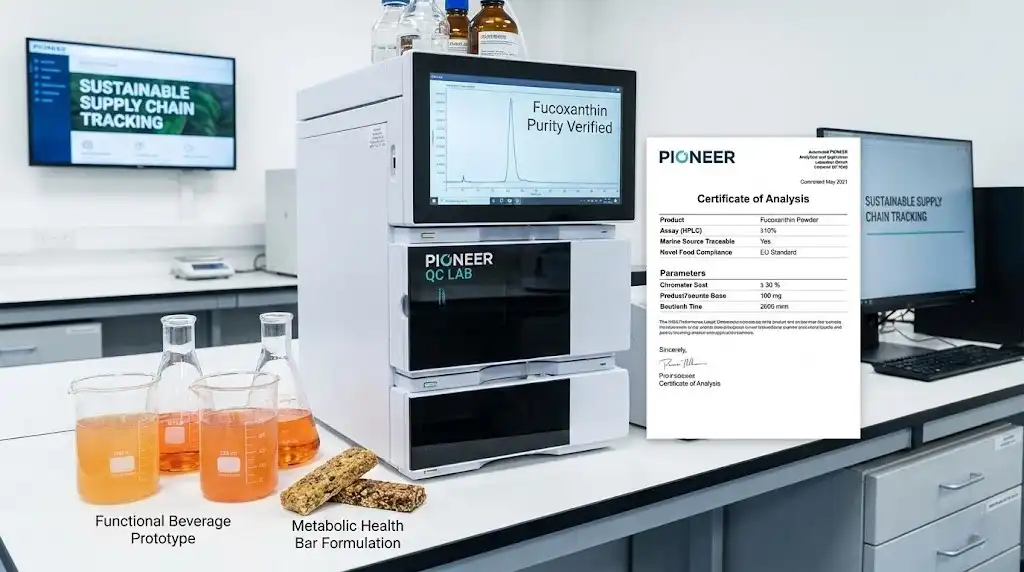
Trusted Fucoxanthin Powder Suppliers and Procurement Strategies
Supplier Selection Criteria
To get fucoxanthin powder from a reliable source, check out their technical know-how, quality control methods, and track records of following the law. It's important for providers to know their production capacity so they can keep up with rising demand and make sure that quality standards are met for all batch sizes.
The ability to study things is another important thing to consider when rating. Suppliers should show that they have HPLC testing labs on-site that can measure fucoxanthin and find impurities in an allowed way. Having connections with outside labs speeds up the approval process and helps with government applications that need separate testing.
It is possible to see the whole supply chain for fucoxanthin extract, from the seaweed that is still raw to the powder that is all mixed together. Consumers' wants are met by environmentally friendly gathering methods and approvals. This means that products will be available for a long time, even as the market grows.
Long-Term Partnership Development
Having strategic ties with providers means more than just getting things from them. In addition, they work together to make new goods and share knowledge about the market. Technical support services, like formulation help and stable testing, cut down on the time it takes to build something and the chance that it will need to be redone.
Flexible minimum order amounts can be changed to fit different production plans, and price promises for volume make sure that costs are fair. Programs that plan your inventory and supplies can help you keep track of your cash flow and make sure you don't run out of stock, which could stop production.
When businesses work together on study projects and marketing efforts, they can make their brands look better and split the costs of growth. Clinical studies paid for by the seller are more scientific proof that supports the claims and legal applications for the product.
International Procurement Considerations
When making plans to buy things around the world, you need to think about the different rules that each target market has. If you need to meet Novel Food standards, European suppliers might be better. If you need to save money, Asian suppliers might be better.
There are different kinds of records that need to be brought into the country. These include Certificates of Analysis, Country of Origin Statements, and the like for organic goods. Knowing how to classify things for customs purposes can help you avoid delays and get accurate duty figures, which can change the cost of landing.
There are ways to protect long-term supply contracts against changes in the value of the currency. The terms of payment should keep buyers and sellers competitive while also taking into account buyers' cash flow needs and financial policies.
Conclusion
Fucoxanthin powder is a great way for functional food companies to make their products stand out by using natural ingredients that have been shown to work by science. Since fucoxanthin has unique metabolic benefits and better antioxidant properties, it can get a better market share and keep customers coming back. You need to carefully pick your sources, use the right design strategies, and set up full quality control systems if you want to combine well. Fucoxanthin is good for you, and more people are learning about it. Those who use it first can get ahead in the growing market for useful foods.
FAQ
What is the typical dosage of fucoxanthin powder in functional foods?
Researchers have found that between 2.4 mg and 8 mg of pure fucoxanthin per day is the best amount for metabolic benefits. Most functional foods have 10 to 50 mg of standardized fucoxanthin powder to get these useful amounts. However, this can change depending on the quantity and how the food is made.
How does fucoxanthin powder compare to astaxanthin for antioxidant applications?
Both of these chemicals are powerful antioxidants, but fucoxanthin targets biochemical processes more specifically by turning on UCP1. It's a better choice for weight loss because of this. Astaxanthin is good for your eyes and helps your body recover from exercise, so it works well with other chemicals instead of against them in full recipes.
What certifications should I require from fucoxanthin powder suppliers?
Some of the most important skills are following GMP, using HACCP, and having ISO quality control methods. Getting certified as organic, KOSHER, or HALAL lets you sell your goods in more places. It's easier to sell products all over the world when sites are registered with the FDA and follow the rules for novel foods in Europe.
Can fucoxanthin powder be used in heat-processed functional foods?
But it's very important to keep the warmth down. Microencapsulated formulas can deal with temperatures up to 85°C for short amounts of time. Unprotected fucoxanthin can break down when heated for a long time above 60°C, so special transport ways are needed for high-temperature processes.
What are the main stability challenges with fucoxanthin powder?
Things mostly break down when they get light, air flow, and hot temperatures. Packing that blocks UV light, nitrogen blanketing during processing, and temperature-controlled storage all help to keep the effectiveness high. Microencapsulation or cyclodextrin complexing makes things safer when they are used for critical tasks.
Partner with Pioneer Biotech for Premium Fucoxanthin Powder Supply
This is a trustworthy business that makes fucoxanthin powder and sells top-notch marine carotenoids. They have strict quality control and a lot of technical know-how to back them up. To produce fucoxanthin powder that is consistent and satisfies the strictest production requirements, our GMP-certified plant in the Medicine Herbs Valley of the Qinling Mountains employs cutting-edge extraction techniques. We can help you make global marketing plans that meet the standards of ISO9001, HALAL, KOSHER, and the FDA. You can email our expert team at sales@pioneerbiotech.com to get custom prices, stability data, or to ask for samples. Our commitment to growing in a way that doesn't hurt the environment and using cutting edge methods means that your functional foods will work at their best and make customers happy.
References
Miyashita, K., Nishikawa, S., Beppu, F., Tsukui, T., Abe, M., & Hosokawa, M. (2011). The allenic carotenoid fucoxanthin, a novel marine nutraceutical from brown seaweeds. Journal of the Science of Food and Agriculture, 91(7), 1166-1174.
Abidov, M., Ramazanov, Z., Seifulla, R., & Grachev, S. (2010). The effects of Xanthigen™ in the weight management of obese premenopausal women with non-alcoholic fatty liver disease and normal liver fat. Diabetes, Obesity and Metabolism, 12(1), 72-81.
Maeda, H., Hosokawa, M., Sashima, T., Funayama, K., & Miyashita, K. (2005). Fucoxanthin from edible seaweed, Undaria pinnatifida, shows antiobesity effect through UCP1 expression in white adipose tissues. Biochemical and Biophysical Research Communications, 332(2), 392-397.
Peng, J., Yuan, J. P., Wu, C. F., & Wang, J. H. (2011). Fucoxanthin, a marine carotenoid present in brown seaweeds and diatoms: metabolism and bioactivities relevant to human health. Marine Drugs, 9(10), 1806-1828.
Gammone, M. A., & D'Orazio, N. (2015). Anti-obesity activity of the marine carotenoid fucoxanthin. Marine Drugs, 13(4), 2196-2214.
Zhang, H., Tang, Y., Zhang, Y., Zhang, S., Qu, J., Wang, X., & Kong, R. (2015). Fucoxanthin: a promising medicinal and nutritional ingredient. Evidence-Based Complementary and Alternative Medicine, 2015, 1-10.