
Anthocyanins in Purple Rice Powder: Health and Stability
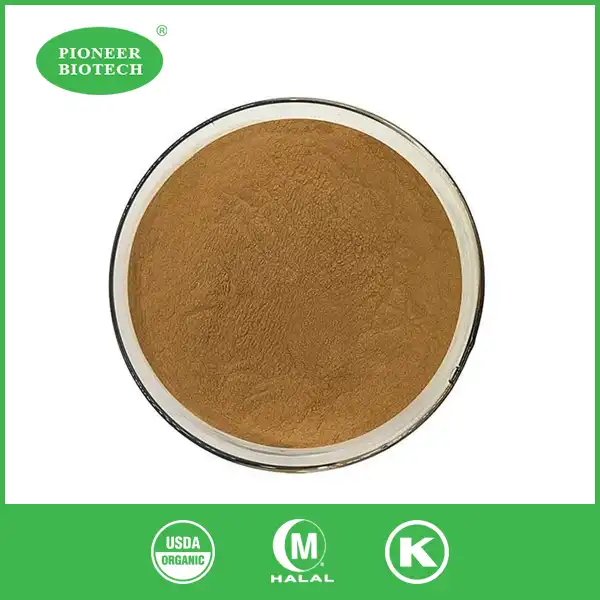
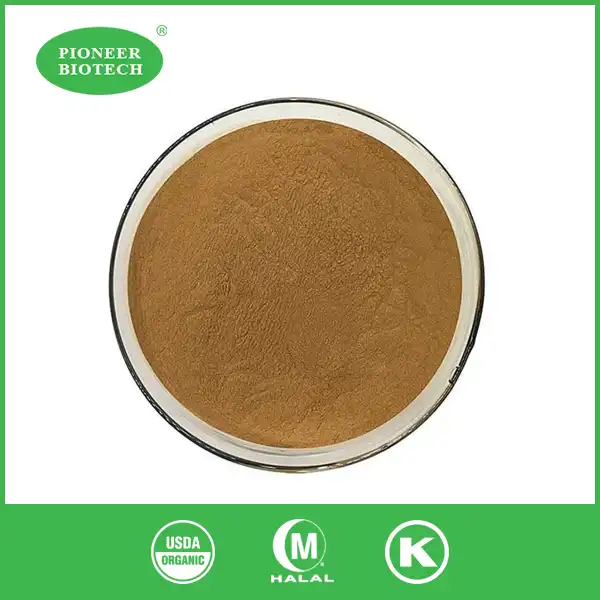
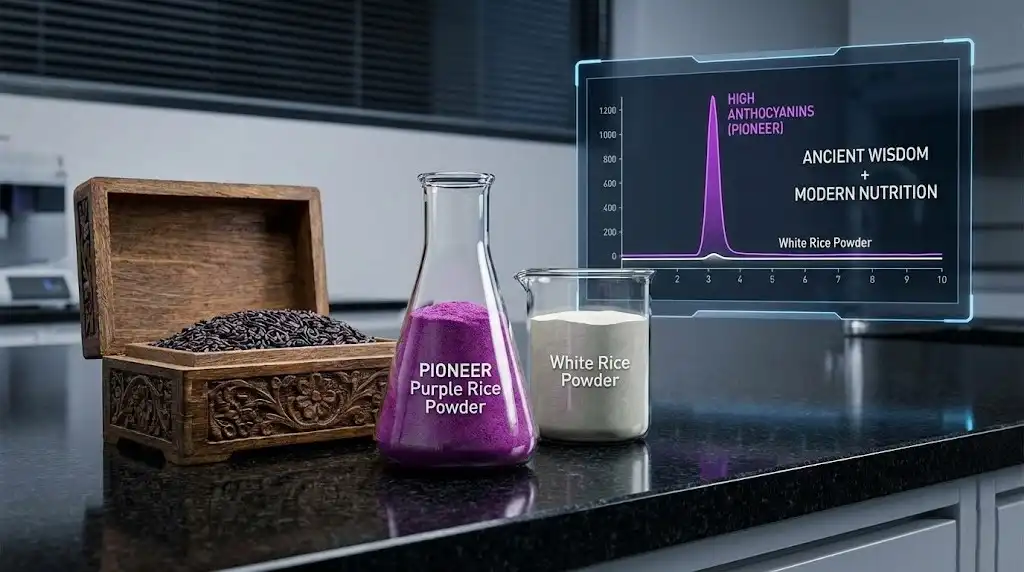
In purple rice powder, there are chemicals called anthocyanins that give foods their color and health benefits. These chemicals have changed how B2B companies choose ingredients. Flavonoids break down in water to make purple rice powder its unique deep violet color. They are also very good at fighting free radicals. Regular white rice flour and purple rice powder are different because purple rice powder has more cyanidin-3-glucoside and peonidin-3-glucoside. Because of this, it is a great ingredient for useful foods, nutraceuticals, and clean-label beauty items that need to look good and be good for you.
Understanding Anthocyanins and Their Role in Purple Rice Powder
Chemical Structure and Bioactivity of Anthocyanins
There are natural colors in fruits and vegetables called anthocyanins that make them red, purple, and blue. They belong to the family flavonoids. These chemicals are mostly found in the aleurone layer and bran of purple rice (Oryza sativa L.). They protect the plant by acting as antioxidants. Anthocyanidins are molecules that are made up of a positively charged anthocyanidin backbone and sugar molecules linked to it. This creates chemicals that dissolve in water and have amazing biological effects.
Research shows that cyanidin-3-glucoside is the main anthocyanin in most types of purple rice. It makes up to 80% of the overall anthocyanin substance. This chemical is more solid than other types of anthocyanin, which makes it very useful for business purposes. Because they are soluble, these chemicals can get through cell walls. This protects the body as a whole from free radicals.
Comparative Advantages Over Other Rice Powders
Purple rice powder differs significantly from white, brown, and black rice choices due to its unique phytochemical composition. While white rice powder is primarily made up of starch and not much else, purple rice powder contains a variety of beneficial substances as well as the calories you need. Anthocyanin levels in purple rice can be up to 10 times higher than those in brown rice.
Even though both purple and black rice powder contain anthocyanins, purple rice powder usually stays stable longer and tastes better than black rice powder. It is possible to change how purple rice powder is made to keep the most anthocyanins while also keeping the right particle size and versatility for different uses. Now that this has been fixed, manufacturers can keep quality standards that meet strict B2B standards.
Health Benefits and Functional Properties
The anthocyanins in purple rice powder are good for a lot of different parts of the body. Studies in humans have shown that it protects the heart in important ways, like making vascular cells work better and lowering levels of inflammation markers. A test called ORAC (Oxygen Radical Absorbance Capacity) often finds that purple rice powder has more antioxidants than a lot of other well-known superfoods.
Anthocyanins may help treat metabolic diseases and help the body age in a healthy way because they can lower inflammation. The chemicals change the processes that cause inflammation and lower oxidative stress in cells, which is how they do their job. Since these things are true, purple rice powder is a great ingredient for health products that aim to boost heart health, brain health, and gut health.
Stability of Anthocyanins During Processing and Storage
Factors Affecting Anthocyanin Stability
The most important thing when making purple rice powder is to keep the temperature low so that the anthocyanin content stays high. When these delicate chemicals are heated above 60°C, they can break down a lot. This can change the bright purple colors into dull brown ones. Process plants that deal with food use low-temperature milling and controlled cooling to keep heat stress to a minimum while still getting the particle size they need.
How solid anthocyanin is and how the color shows up depend on the pH level. When the pH level is between 3.0 and 4.5, anthocyanins stay fixed and keep their bright red-purple color. Neutral to alkaline conditions, on the other hand, change the texture and could cause it to break down. A substance called anthocyanin breaks down faster when it is exposed to light, especially UV rays. The color strength and defensive power weaken over time when they come into touch with oxygen.
Optimal Processing Techniques
When purple rice powder is made, new ways of handling it have been made to keep more of the anthocyanin. Because they don't use heat, freeze-drying methods keep up to 95% of the original anthocyanin content. However, they are more expensive to set up and run. If you spray-dry at temperatures below 150°C, you can save time and keep the quality of the product.
Anthocyanins don't break down in the environment when they're microencapsulated, and they stay solid in a wider range of formulas. This is how protected substances like maltodextrin or modified carbs are added to particles that are high in anthocyanins. With the packaging method, the product can stay fresh for a lot longer while still being accessible and useful.
Storage and Packaging Solutions
It's important for all parts of the supply chain that anthocyanin stays stable, and good storage conditions are a big part of that. Microbes can't grow and sensitive chemicals can't break down in water, so keep the wetness level below 5%. It is important for storage to stay below 25°C and not change much so that humidity and heat stress don't happen.
Containers that are filled with nitrogen keep oxygen out, films with multiple layers that block light, and desiccant packets that keep the right amount of moisture in the air are some new ideas for packing. There are a lot of things that can break things, but aluminum-laminated bags are strong and easy to handle for business-to-business deals.
Procurement Considerations for Purple Rice Powder with High Anthocyanin Quality
Quality Parameters and Testing Standards
There are more than just the anthocyanin amount that you need to look at when you buy purple rice powder for business. The total amount of anthocyanin, which is shown as cyanidin-3-glucoside equivalents, needs to be within certain acceptable ranges for the task at hand. Standardized DPPH or ORAC tests can be used to find out how much antioxidant activity there is and show that the substance works.
International rules on food safety need to be met by rules on microbial safety. These rules say how much of each type of plate, yeast and mold, coliforms, and dangerous bacteria can be present. Testing for heavy metals like arsenic, lead, cadmium, and mercury makes sure that strict rules are followed. This is very important for rice because it can store heavy metals. By looking at pesticide traces, rules for organic approval are followed when they need to be.
To make sure the plan works for purple rice extract, the certificate of analysis should show the protein content, the amount of wetness, the amount of ash, and the particle size distribution. These things have a direct effect on how well finished goods mix, run, and have nutrition labels that are correct.
Supplier Evaluation and Certification Requirements
Strong manufacturing processes and thorough quality control systems are two ways that sources you can trust show that their quality stays the same. Setting up HACCP and getting ISO 9001 approval show that you are dedicated to organized quality control. During the production process, ISO 9001 makes sure that food safety rules are followed. Having an organic license, such as one from the USDA or the EU, lets farmers and processors know that the food they grow and process is safe.
It is important to follow GMP (Good Manufacturing Practices) when purple rice powder is used in food or drugs. When suppliers talk about how they make things, they should be clear about things like how they clean tools, keep things from getting dirty, and keep track of batches. With traceability papers, everyone in the supply chain can see the whole process, from the rice being grown to being packed.
With third-party audit records, you can look at a supplier's skills and compliance level without having to talk to the seller. These tests check everything, from where to get the materials to making sure the end result is good. They give workers who do buying factual information about making sure quality.
Strategic Sourcing and Supply Chain Management
To buy purple rice powder successfully, you need to know how supply changes with the seasons and follow those changes when making plans. Moving around when you harvest rice can change the supply, which can change both price and amount. Costs stay stable and materials always flow, which means that production plans can go as expected, thanks to long-term supply deals.
When you spread out your supply networks across more areas, the risk of bad weather, changes in the rules, or management issues that happen in places with only one source is lower. When you have a lot of skilled providers, you have more options and prices are more fair, which is good for procurement.
Strategies for managing supplies need to find a balance between carrying costs and the risk of running out of stock. This is especially important for high-quality purple rice powder, which doesn't last long on the shelf. Just-in-time delivery works best when there are reliable sources and a good idea of how much demand there will be.
Applications of Purple Rice Powder Enriched with Anthocyanins in B2B Markets
Nutraceutical and Supplement Formulations
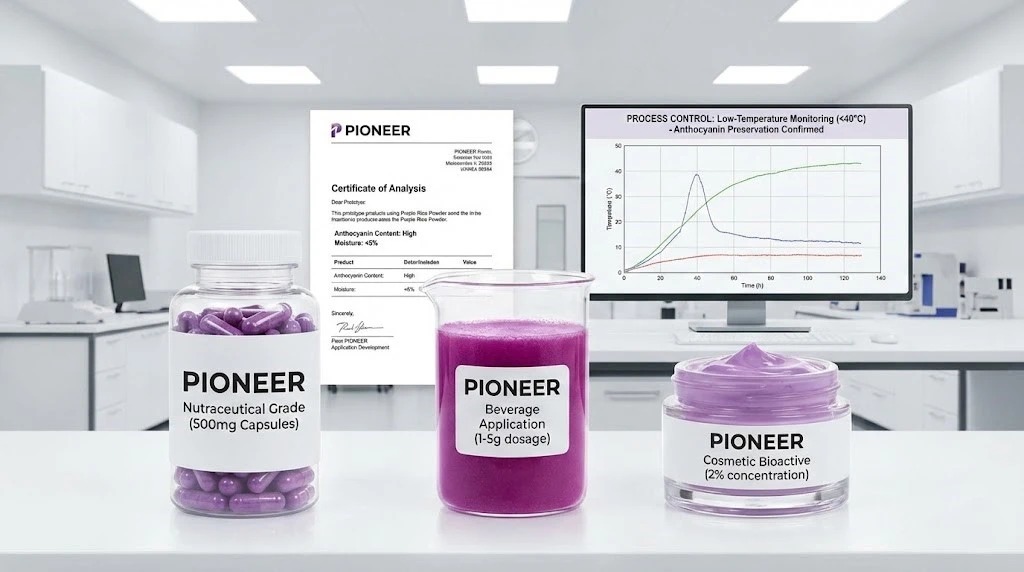
The nutrition industry has chosen purple rice powder as a top-quality ingredient for health products and antioxidants. Capsule recipes work better with powder because it flows easily and stays stable when it's dry. Being careful with the binding agents and compression settings when making pills is important to keep the anthocyanin whole.
Because it is naturally colored, purple rice powder is both an active ingredient in powder blend vitamins. They don't have to use fake colors this way, and the vitamins still work. Some plant extracts can make things taste bad, but this one doesn't. It pairs well with other organic products and doesn't ruin the taste of anything.
Because anthocyanin is sensitive to light and pH, it is hard to make liquid nutrients with it. Protective packaging and special stable systems help the product stay high quality for a long time, and it keeps the look that people associate with being strong in antioxidants.
Food and Beverage Industry Applications
There are a lot of food and drink ideas that use purple rice powder because it adds color, makes food healthier, and does other things. To make cakes, muffins, and other baked goods taste and feel better, the starch in the powder can be used. It can also give you vitamins and a pretty purple color.
Purple rice powder is added to juice mixes, protein shakes, and functional drinks that are marketed to health-conscious consumers. Since the powder is easy to mix with water, it gives the mixture a natural color that people who like clean labels will like. The flavor and nutritional worth of a drink must stay the same over the course of its usual shelf life. Stability testing makes sure that they do.
For candy and sweets, natural colorings are used. Energy bars and snack foods have healthy ingredients. Because the powder doesn't taste very good, you can use it with different recipes, and it gives finished goods important vitamins.
Cosmetic and Personal Care Applications
People who work in the beauty industry know that anthocyanins can help protect the skin and slow down the aging process. Purple rice powder is used to make masks, serums, and creams that protect skin from damage and maintain its health. These mixes are good for sensitive skin because the anthocyanins in them help reduce inflammation.
Purple rice powder is used in hair care products because it protects hair and has natural coloring capabilities. Anthocyanins protect hair from outside stresses, which is why shampoos and products for dyed or damaged hair use them.
To make a good formula, you need to find the right pH level to protect the color and safety of anthocyanins, pick security systems that work well together, and package the product in a way that keeps light-sensitive ingredients safe while it's on the shelf.
How to Ensure Sustainability and Traceability in Purple Rice Powder Procurement?
Sustainable Agriculture and Environmental Impact
First, you need to know how rice is grown so that you can buy purple rice powder in an eco-friendly way. Organic farming doesn't use man-made chemicals and fertilizers, which is good for the earth's health and all the different kinds of life that live on it. Rice farming and water management have a big impact on the environment. That's why it's important to ask providers how well their washing systems work and how much water they use.
This type of research looks at things like how far something has to be moved, how much energy it needs to be made, and what it comes in. Shipping pollution can be cut down by buying things from close or in the same area. This can also help American farms. It's clear that the provider cares about the earth because processing places use clean energy.
Purple rice extract processing tries to cut down on waste by making uses of rice bran and hulls for other things, cleaning with less water, and closed-loop methods when they can. These steps might lower the cost of making things while also being good for the environment.
Certification and Traceability Systems
From the farm to the finished product, everyone in the supply chain can see the whole process thanks to tools that let them track everything. The blockchain keeps permanent records of every trade and quality step along the supply chain, which makes it easier to keep track of rice. These methods back up claims of sustainability and make it easy to fix problems with quality quickly.
People who work on farms are treated fairly and the groups that farm are paid fairly when they have fair trade licenses. Things like these are even more important when you buy from other countries because worker rights may not be the same as in the US. Checks for social responsibility make sure that providers follow the rules for fair work.
To do sustainable buying, you need to keep records that show you are still committed to your sustainability goals. These can be social compliance reports, studies of the effects on the environment, and plans for ongoing growth. Every so often, providers are checked to make sure they are still meeting sustainability standards.
Supply Chain Transparency and Accountability
Being open and responsible in the supply chain. People who buy and sell goods can make things better and quickly fix issues with quality or the environment if they can talk to each other freely. You can learn more about providers' skills and ways of doing things by going to their sites on a regular basis and doing activities that build relationships with them.
You can get an objective picture of a supplier's long-term environmental success by keeping track of performance measures. How well resources are used, how much trash is made, how consistent the standard is, and how well the approval requirements are met are some of the most important signs. Based on data, these steps help make decisions about what to buy and how to help suppliers grow.
When you plan for supply chain resilience, you think about what could go wrong and keep your environmental promises. The company stays open by having a variety of supply networks, emergency sourcing methods, and delivery setups. This way, the company can keep running without lowering quality or environmental standards.
Conclusion
Anthocyanins in purple rice powder are a great source of natural nutrition, useful benefits, and the chance to make money. This makes it an important ingredient for making health-focused goods. This study talks about security issues and processing problems that show how important it is to pick a source carefully and handle it the right way. People who buy and sell things can get the most out of purple rice powder's health benefits in food, drinks, skin care, and nutrition if they focus on quality standards, eco-friendly practices, and reliable supply partnerships. The market for good purple rice powder products will keep growing as more people look for names that are easy on the eyes and ingredients that come from natural sources.
FAQ
What is the typical anthocyanin content in purple rice powder?
Anthocyanins in good purple rice powder can range from 50 mg to 200 mg per 100g, depending on the type of rice used and how it was treated. About 70 to 80% of all anthocyanins are made up of cyanidin-3-glucoside. HPLC testing can be used to check the exact amounts.
How long does purple rice powder maintain its anthocyanin potency?
85–90% of the anthocyanins that were in purple rice powder can be kept for 18–24 months if it is kept in a cool, dark, dry place with less than 5% wetness. Using the right packing that keeps out air and light makes things much more stable.
Is organic purple rice powder significantly better than conventional varieties?
It is easier to work with and doesn't use any chemicals to make the purple rice powder, so it generally keeps more of the anthocyanin. With organic forms, you don't have to worry about chemical residue either, though they usually cost more in health-conscious stores.
Partner With Pioneer Biotech for Premium Purple Rice Powder Supply
Top manufacturers choose Pioneer Biotech as their purple rice powder supplier because it always delivers on time and the quality is reliable. Our center in Hanzhong's famous Medicine Herbs Valley is FDA-, ISO9001-, HALAL-, and KOSHER-certified. We make sure that the best conditions are used for processing so that the most anthocyanins and bioactivity are kept. You can get full expert help, a range of concentrations, and order sizes that can be changed to fit your specific recipe needs. Our skilled quality assurance team tests using strict methods that go beyond what the industry needs. We also know the supply chain inside and out, so we can guarantee on-time delivery in both North America and Europe. Contact our technical staff at sales@pioneerbiotech.com to talk about your needs for purple rice powder and learn how our high-quality ingredients can help your goods stand out and people will want to buy them.
References
Chen, X.Q., Nagao, N., Itani, T., & Irifune, K. (2012). Anti-oxidative analysis, and identification and quantification of anthocyanin pigments in different coloured rice. Food Chemistry, 135(4), 2783-2788.
Goufo, P., & Trindade, H. (2014). Rice antioxidants: phenolic acids, flavonoids, anthocyanins, proanthocyanidins, tocopherols, tocotrienols, γ-oryzanol, and phytic acid. Food Science & Nutrition, 2(2), 75-104.
Hu, C., Zawistowski, J., Ling, W., & Kitts, D.D. (2003). Black rice (Oryza sativa L. indica) pigmented fraction suppresses both reactive oxygen species and nitric oxide in chemical and biological model systems. Journal of Agricultural and Food Chemistry, 51(18), 5271-5277.
Pereira-Caro, G., Cros, G., Yokota, T., & Crozier, A. (2013). Phloroglucinol, ascorbic acid, and citric acid as potential co-pigments to enhance the color of anthocyanin-rich extracts. Journal of Agricultural and Food Chemistry, 61(28), 6980-6988.
Zhang, M.W., Zhang, R.F., Zhang, F.X., & Liu, R.H. (2010). Phenolic profiles and antioxidant activity of black rice bran of different commercially available varieties. Journal of Agricultural and Food Chemistry, 58(13), 7580-7587.
Zhao, X., Yang, J., Wang, M., Tang, S., Tian, S., & Zhai, Y. (2019). Functional characteristics and storage stability of purple rice extract: Effect of extraction methods. Food Chemistry, 299, 125142.