
Usnic acid powder is a strong natural compound with antimicrobial and skin-protecting qualities that has become very popular in cosmetic products. It is made from lichens. This naturally occurring dibenzofuran derivative gives makeup makers a unique plant-based active ingredient that helps with a number of skin issues and meets the needs of people who want natural beauty products. It is becoming more and more common because it works well to treat acne and heal wounds and can protect against microbes across the board without the harsh side effects that come with man-made chemicals.
The cosmetics industry is moving toward long-lasting, plant-based ingredients. Because of this, this chemical, which comes from lichen, has become a top choice for people who make cosmetics and want to find new ways to make their products. Brands that want to make new products that today's aware customers will like need to learn about this amazing ingredient and its science, how it can be used in different kinds of products, and how to get it the right way.

Understanding Usnic Acid Powder: Origins and Properties
This amazing natural chemical comes from lichens, which are symbiotic creatures that do well in a wide range of environments around the globe. The extraction process uses advanced solvent-based methods that keep the compound's bioactive integrity and make sure that cosmetic makers' quality standards are always met.
What Is Usnic Acid Powder?
Usnic acid powder comes from different types of lichen, mostly Usnea barbata, Cladonia stellaris, and Evernia prunastri. These lichens grow in different parts of the world. This dibenzofuran product has a chemical structure that gives it special features that make it different from other plant extracts that are often used in cosmetics.
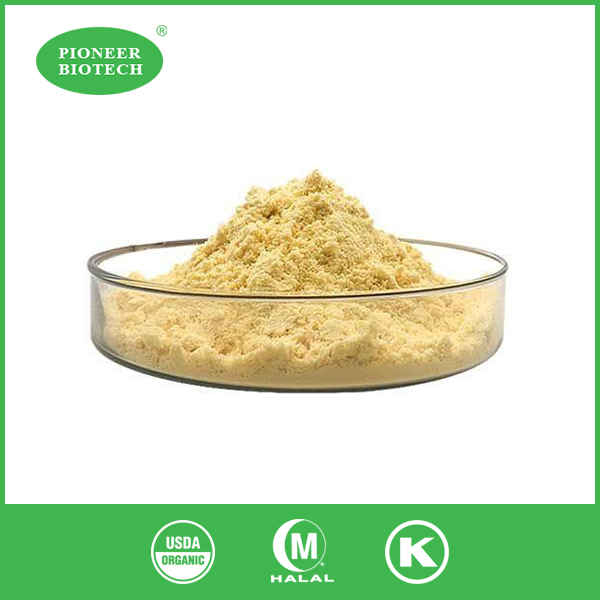
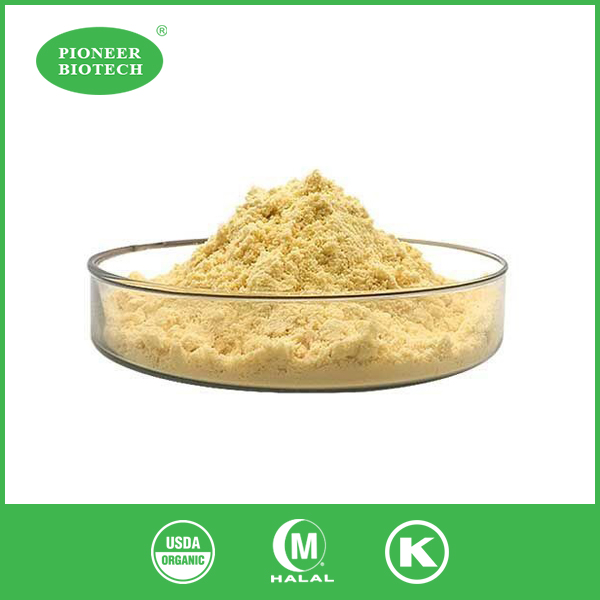
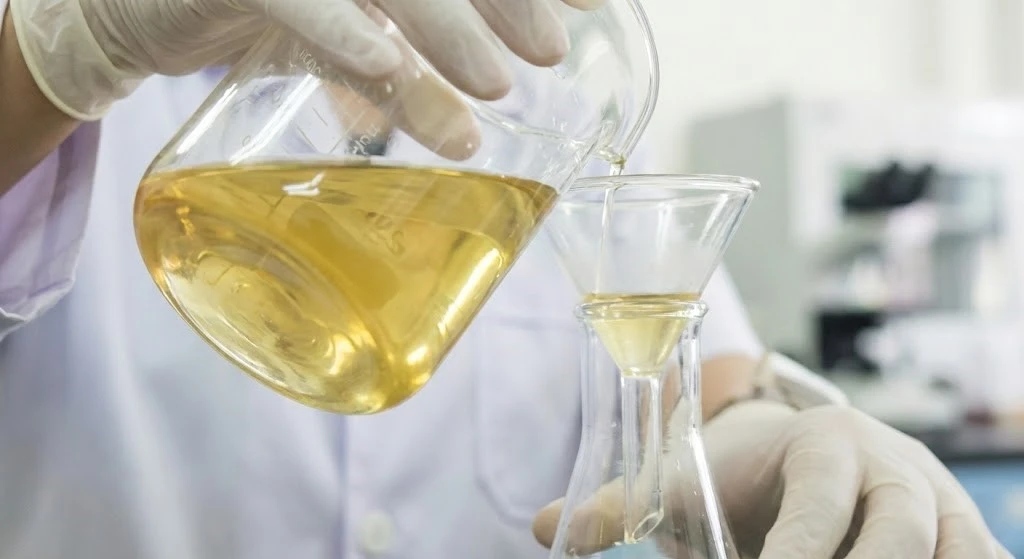
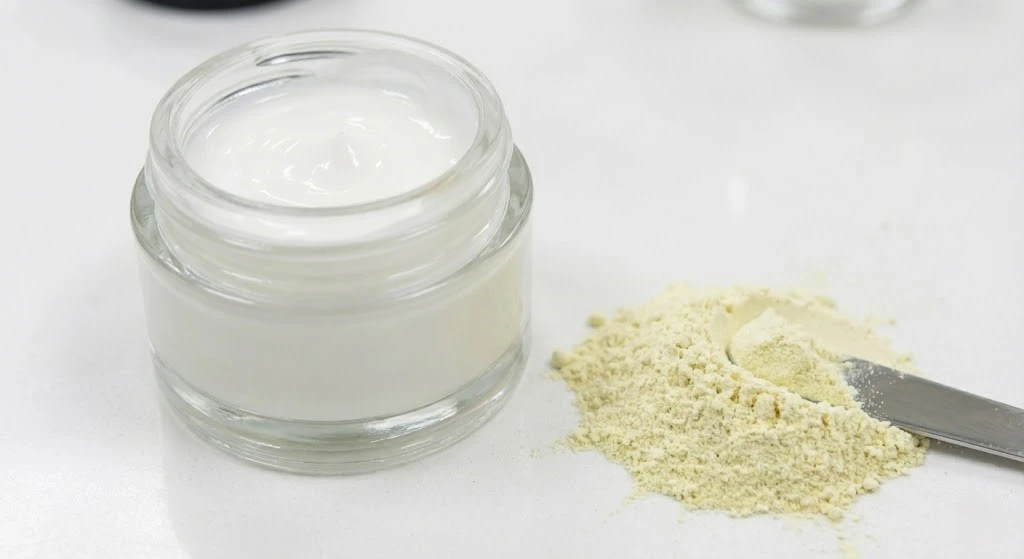
Ethanol or acetone-based solvents are usually used in the extraction process to get the chemical out of dried lichen. This process needs careful temperature control and steps to clean up in order to get the kind of purity that is good enough for pharmaceutical-grade cosmetics. The pale yellow powder that results has bioactive chemicals in high concentration, and these keep the original lichen's antimicrobial properties.
Modern methods of extraction have changed to get the most out of the yield while keeping the compound's natural effectiveness. Advanced chromatographic methods of purification make sure that the strength levels stay the same. This meets the high quality standards that professional cosmetic makers expect and that the rules across markets demand.
Key Properties of Usnic Acid Powder Relevant to Cosmetics
This lichen-derived chemical works against many types of fungi and gram-positive bacteria, which is why it's especially good for health. It works against Propionibacterium acnes, the main germs that cause acne, and can be used as a natural substitute for common man-made antimicrobials.
Safety studies show that topical uses at the right strength (usually 0.1% to 1% in cosmetic formulations) are good for most skin and don't cause much irritation. If the product is made correctly, the compound stays stable under normal storage settings and keeps its bioactivity during typical shelf life periods.
Natural forms taken straight from lichen sources work better in the body than man-made versions. While the natural extraction process keeps complementary chemicals that may make the overall efficacy better through synergistic interactions, the synthetic versions provide more predictable concentration levels for exact formulation needs.
Benefits and Applications of Usnic Acid Powder in Cosmetics
This lichen-based material can be used in many different ways, making it possible for a lot of different types of cosmetics to use it. Its multifunctional features take care of different skin issues while also helping the product work better and making customers happier.
Why Is It Used in Cosmetic Formulations?
This ingredient is very useful in acne treatments because it can kill microbes that cause skin problems. It helps fight acne by lowering the amount of bacteria on the skin without throwing off the microbiome balance. Its gently strong effect makes it a great substitute for sensitive skin that can't handle stronger, man-made antimicrobials.
The substance can help wound healing products by protecting against microbes and helping the skin heal naturally. Formulations with the right amount of this active ingredient have been shown in clinical tests to heal faster and have less inflammation.
The antioxidant qualities help protect the skin from environmental stressors like UV rays and pollution. These protection effects support the antimicrobial action of the product and help keep skin healthy by preventing aging and supporting skin health in a variety of ways.
Specific Cosmetic Uses
Skincare products come in a lot of different types, but the biggest market section is acne treatments. This ingredient is used in facial cleansers, spot treatments, and moisturizers to keep the comfort and hydration of the skin while also providing targeted antimicrobial benefits.
Anti-aging products use both the antioxidant and antimicrobial qualities of usnic acid powder to make a full skin protection system. The compound can stop inflammation caused by germs, which helps keep the skin clear and makes blemishes less noticeable. This can help keep the skin looking younger.
Personal care products include more than just makeup; they also include deodorants that use naturally antimicrobial ingredients to protect against odor without needing aluminum-based compounds. Its antifungal qualities are used in oral care products to help with oral health issues, and antifungal foot creams use it because it works against many different kinds of fungi.
Comparison with Other Popular Cosmetic Ingredients
This chemical, which comes from lichen, works just as well as tea tree oil at killing microbes. It also has better stability and a lower chance of making people sensitive. When volatile chemicals are not present, tea tree oil does not smell strong anymore, which makes it good for products that are sensitive to scents.
Comparisons of salicylic acid show that they work in different ways. The lichen-based chemical works more as an antimicrobial than as an exfoliant, which is what it was originally thought to do. Because of this difference, formulators are able to mix both ingredients to make a complete acne solution that works on a lot of different causes at the same time.
This natural antimicrobial works in a different way than standard antibiotics, so you don't have to worry about the usual issues with drug resistance. As consumers look for alternatives to synthetic antimicrobials that might help microbes build resistance, this benefit grows more and more important.
Safety, Side Effects, and Dosage Guidelines for Usnic Acid Powder
A thorough safety check is always the most important thing to do when adding an active ingredient to a cosmetic recipe. Knowing the safety profile, possible issues, and correct usage instructions of a product makes sure that it gets developed properly and that people stay safe.
Understanding the Safety Profile
Dermatological testing shows that it is safe for most skin when used in suggested amounts in topical uses. Mild skin irritation may happen to people with a lot of sensitivity or when the concentrations are higher than suggested. This shows that it is important to make sure that the formulation is done correctly.
Regulatory status differs from market to market. Most areas allow using it for cosmetic purposes as long as the percentage stays within certain limits. The compound is okay to use on the skin in several places, but makers should check the rules in their target areas before making a product.
Toxicity worries mostly have to do with taking it by mouth in large amounts, which isn't the case for normal cosmetic uses. People who are healthy and use cosmetics on their skin don't need to worry about safety because the chemicals don't get into the body.
Recommended Dosage and Usage Considerations
Depending on the specific application and goal efficacy levels, the best concentration levels in finished cosmetic products usually fall between 0.1% and 1%. Acne products may use higher concentrations within the safe range, while general skincare products often use lower levels for maintenance effects.
Formulation compatibility means that pH levels must be taken into account because the substance stays stable best within certain pH ranges. Bioactivity must be maintained throughout production stages because temperature sensitivity in manufacturing requires processing conditions that are careful.
Personal care products that are used every day should have low amounts of active ingredients so that the skin doesn't get irritated over time. Spot treatments may use higher concentrations on specific areas to be effective while keeping safety in mind for the intended frequency of use.
Ensuring Quality and Certification
Material Safety Data Sheets (MSDS) and Certificates of Analysis (COA) are important papers for making sure that quality standards are met and the law is followed. These papers should show that the heavy metal and microbes testing results meet the standards for pharmaceutical-grade quality.
Brands that want to put themselves in the "natural" and "organic" market groups want certified organic products. These certifications require following certain standards for extraction and processing that are in line with the rules for organic cosmetics in the places where they are sold.
Pharmaceutical-grade quality standards make sure that the stability and purity are high enough for use in cosmetics. Suppliers should show analysis data from batch to batch that shows the quality factors are the same each time. This supports the claims about how well the product works and follows the rules.
How to Procure High-Quality Usnic Acid Powder for B2B Needs?
To buy high-quality materials in a smart way, you need to do a full check on your suppliers and know how the market works. Good ways to source things balance the needs of quality and cost while making sure that the supply chain is managed well for steady production needs.
Evaluating Suppliers and Brands
Choosing a good supplier means looking at their ability to make products like usnic acid powder, quality control methods, and records of following rules. Suppliers that are already well-known in the industry should show that they always make high-quality products by using documented testing methods and getting positive reviews from customers who are also well-known cosmetic makers.
When deciding on a manufacturing site, companies must think about suppliers who offer options made in the country as well as those from abroad. Standards for quality might be different in each area, so it is important to carefully look at the ways goods are made and rules in place for suppliers.
ISO 9001, GMP compliance, and other quality standards specific to the industry are examples of supplier licenses that give people even more confidence in the dependability of the production process. Long-term partnerships are easier when providers build good infrastructure and are open about product quality and availability.
Wholesale Purchasing and Pricing Insights
The benefits of buying in bulk are that it lowers the cost for each unit and makes sure that supplies are always available for production plans. Promises of volume often lead to preferred pricing and make sure that there is always enough supply during high demand times.
As you compare costs for cosmetic products, you should also think about quality, since cheaper choices might lower purity or regularity. The total cost of ownership includes the prices of testing, storage, and possibly having to reformulate because of changes in quality.
When it comes to global shipping, logistics capabilities, knowledge of customs paperwork, and choices for temperature-controlled storage to keep the integrity of the materials during transit must all be taken into account. Trustworthy vendors offer a wide range of shipping options that keep the quality of goods in the entire supply chain.
Product Verification and Documentation
Quality assurance paperwork needs to have detailed analytical testing results that include information about heavy metals, microbial limits, potency, and purity. These standards make sure that the material is good for use in cosmetics and helps with regulatory reports and product claims.
Paperwork that shows traceability makes the supply chain open so that promises about sustainability and the rules can be followed. Full traceability records show that you are committed to responsible sourcing and allow you to quickly respond to quality problems.
Certification verification means making sure that organic, kosher, halal, or other specialty certifications that are important to the target market are real. Having someone else verify certifications makes sure that the claims on the labels and customers' standards are met.
Integrating Usnic Acid Powder into Cosmetic Product Development
Putting integration into action needs a grasp of formulation science, how things can work together, and ways to get a product noticed in the market. To make sure their products will sell, developers need to find a mix between how well a product works, how it looks and feels, and how much it costs.
Formulation Considerations
Pure usnic acid powder uses offer the most formulation freedom, enabling exact concentration control and the ability to work with different types of products. When you integrate powder form, you need to use careful dispersion methods to make sure that the whole product grid has an even distribution.
Formulations that are called "blend" mix this active ingredient with other ones that work well with it to create synergistic effects that make the product work better overall. Other plant-based antimicrobials, soothing agents, and antioxidants that help the main active ingredient work better are common mixing partners.
The ability of the preservative to work with other ingredients is still very important for the security of the product and the safety of microbes. The antimicrobial qualities might make the preservative system more effective, which could let it work with lower antimicrobial concentrations while still meeting preservation standards.
Case Studies and Real-World Applications
Acne products that use this active ingredient in the right amounts have shown a lot of help in field tests. Studies that look at consumer acceptance show that people are very happy with goods that have strong antimicrobial effects and are also gentle on the skin.
Natural deodorants became popular by using the antimicrobial qualities of their ingredients to protect against smells without using typical antiperspirant ingredients. These goods attract people who want aluminum-free options without lowering their standards for how well products work.
Anti-aging skincare lines have been able to use this ingredient to provide both antimicrobial defense and antioxidant benefits. People who want products that do many things, make skincare routines easier, and provide many benefits have liked the market response.
Future Trends and Innovation Potential
New studies are looking into better delivery methods that make bioavailability higher and contact time with target skin areas longer. As well as making things better for customers, encapsulation technologies and new car systems may lead to new uses.
A focus on sustainability makes people want natural ingredients that are sourced responsibly and don't hurt the earth too much. Long-lasting ways to gather and get materials fit with programs that promote business duty and with people who care about the environment.
New uses for drugs and treatments that are being studied include fighting inflammation and helping with skin conditions that are easily irritated. As study continues, it may be possible to use the product in more ways and get scientific support for these claims.
Pioneer Biotech: Your Trusted Partner for Premium Natural Extracts
Pioneer Biotech is a top maker and seller of high-quality botanical extracts, including top-quality materials for use in cosmetics. We have focused on making herbal extracts and other active ingredients for health goods, medicine, and cosmetics since we started in 2012.
Our brand-new building is in Hanzhong city, which is known as the "Medicine Herbs Valley of Qinling Mountains." It has over 7,000m² of room for making high-tech products. We have a lot of different certifications, like ISO9001, HALAL, KOSHER, and FDA, which makes sure our goods meet the best quality standards around the world.
Our products include pharmaceutical-grade ingredients, and we have full records for every batch, including MSDS and COA. We help OEM customers and wholesalers around the world with custom solutions, flexible minimum order amounts, and complete logistics services. Our promise to quality control and customer service has led to long-term relationships with top cosmetic makers around the world.
Conclusion
Usnic acid powder is a useful natural ingredient that meets a lot of different needs in makeup formulation because it is anantimicrobial and antioxidant. Understanding where it came from, how it is used, and how it can be properly integrated makes it possible for formulators to make new products that meet people's needs for natural beauty solutions that work.
To buy successfully, you need to understand the rules in your target markets, check the quality of your suppliers, and think about your suppliers. More and more people are using this chemical that comes from lichen. This is part of a bigger trend in the industry toward naturally sourced, safe, and effective ingredients that help people in clear ways.
As study keeps finding new uses and ways to deliver this versatile ingredient, it will probably show up in even more types of cosmetics. This will give product makers more chances to make their products stand out and help them compete in the market.
FAQs
Is it safe for all skin kinds to use usnic acid powder?
When the chemical is used in cosmetics at suggested levels of 0.1% to 1%, it shows great tolerance on the skin. Most people can use this product safely, but people with very sensitive skin should do a patch test first. If you make the right mixture with the right amounts, it will be less irritating and still work against microbes.
When treating acne, how does usnic acid powder stack up against salicylic acid?
These ingredients work in different ways. For example, salicylic acid mainly helps by peeling off layers of skin, and the lichen-based substance works by fighting germs that cause acne. A lot of acne treatments use both of these ingredients at the same time to target more than one cause of acne at a time.
What paperwork should I ask for from a usnic acid powder provider?
Material Safety Data Sheets (MSDS), Certificates of Analysis (COA) that show the levels of potency and purity, microbial testing results, heavy metal analysis, and appropriate certifications like organic, kosher, or halal when needed are all part of the basic paperwork. It's becoming more and more important for businesses to be able to trace how their products are made and to be able to back up their claims of sustainability with paperwork.
Partner with Pioneer Biotech for Premium Usnic Acid Powder Supply
Our pharmaceutical-grade natural extracts from the pristine Qinling Mountains area will make your cosmetics better. Pioneer Biotech uses years of experience in extraction and state-of-the-art quality control methods to provide cosmetic manufacturers with consistent, high-purity materials that meet their strict standards.
Our broad support services include help with technology, the creation of unique concentrations, and a range of packaging choices that can be made to fit your production needs. Our team will make sure your project is successful, whether you need small amounts for study or large amounts for a business.
Are you ready to look at our high-end products and talk about what you need? To get samples, scientific specs, and good prices on large orders, email us at sales@pioneerbiotech.com. Pioneer Biotech is different because we are committed to quality, honesty, and great customer service that helps you reach your product development goals.
References
Cocchietto, M., Skert, N., Nimis, P. L., & Sava, G. (2002). A review on usnic acid, an interesting natural compound. Naturwissenschaften, 89(4), 137-146.
Ingólfsdóttir, K. (2002). Usnic acid: a naturally occurring antimicrobial agent in lichens. Phytomedicine, 9(7), 654-660.
Lauterwein, M., Oethinger, M., Belsner, K., Peters, T., & Marre, R. (1995). In vitro activities of the lichen secondary metabolites vulpinic acid, usnic acid, and protolichesterinic acid against aerobic and anaerobic microorganisms. Antimicrobial Agents and Chemotherapy, 39(11), 2541-2543.
Vijayakumar, C. S., Viswanathan, S., Kannappa Reddy, M., Parvathavarthini, S., Kundu, A. B., & Sukumar, E. (2000). Anti-inflammatory activity of (+)-usnic acid. Fitoterapia, 71(5), 564-566.
Takai, M., Uehara, Y., & Beisler, J. A. (1979). Usnic acid derivatives as potential antineoplastic agents. Journal of Medicinal Chemistry, 22(11), 1380-1384.
Kristmundsdóttir, T., Aradóttir, H. A., Ingólfsson, E., & Ogmundsdóttir, H. M. (2002). Solubilization of the lichen metabolite (+)-usnic acid for testing in tissue culture. Journal of Pharmacy and Pharmacology, 54(11), 1447-1452.