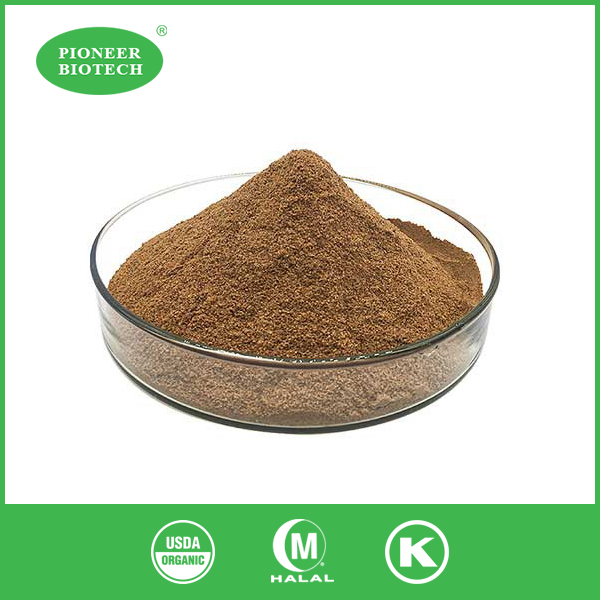

Formulators frequently have to make a crucial choice when creating health products: should they use curcumin powder or turmeric oil? The response is contingent upon the particular criteria of your application. While curcumin powder offers standardized active ingredients perfect for nutritional supplements, turmeric oil offers improved bioavailability and performs exceptionally well in topical applications. The choice depends on your target market, dosage needs, and formulation objectives because each form offers unique therapeutic benefits. Product developers can make more educated sourcing decisions if they are aware of these important distinctions.
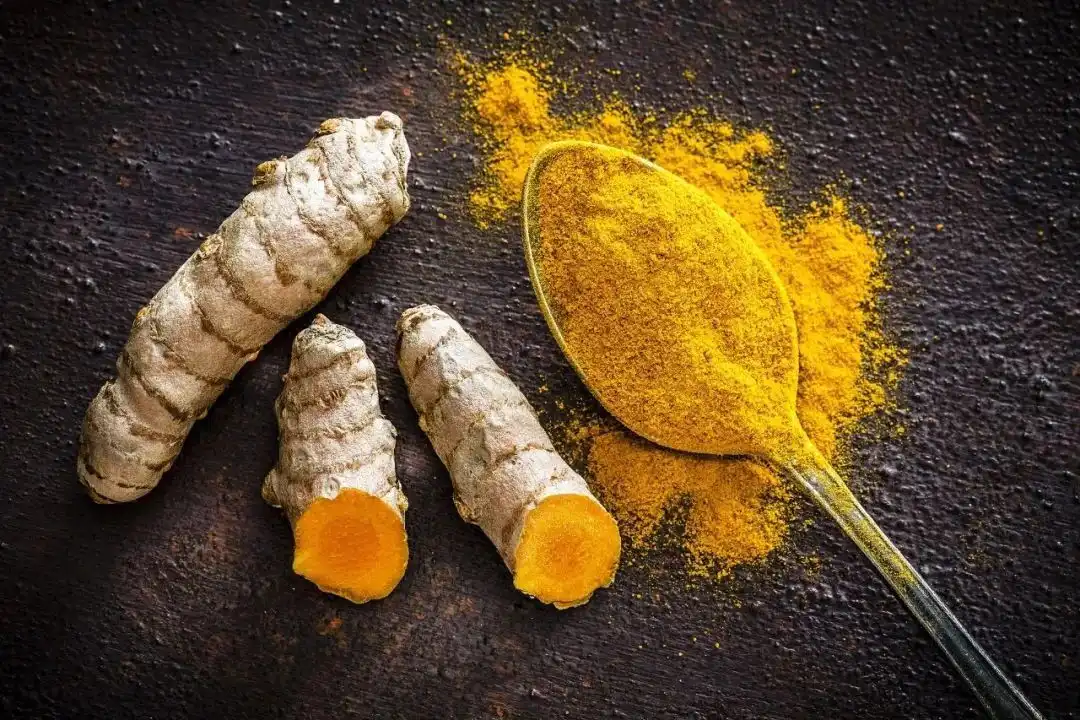
Understanding the Core Differences Between Turmeric Oil and Curcumin Powder
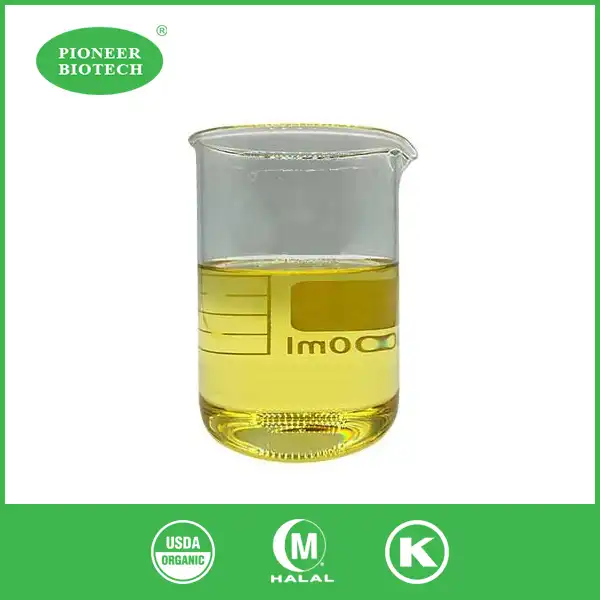
These two substances differ mostly in how they are extracted and the chemical profiles that are produced. Steam distillation is used to extract essential oils and volatile chemicals from fresh turmeric rhizomes. Along with curcuminoids, this procedure produces a concentrated liquid that contains zingiberene, atlantone, and turmerone.
Solvent extraction produces curcumin powder, which targets curcuminoids, the yellow pigments that give turmeric its anti-inflammatory qualities. 95% curcuminoids are usually present in this standardized extract, with 70–80% of the total content being curcumin.
These materials are distinguished by three main differences:
- Composition of bioactive substances: While powder concentrates only on curcuminoid concentration, essential oil contains both volatile chemicals and curcuminoids.
- Features of solubility: While standardized powders need specific delivery methods, oil-based extracts dissolve in lipids.
- Applications in medicine: While powders predominate in dietary supplement formulations, essential oils are excellent for topical and aromatherapy applications.
In contrast to the concentrated 95% specification of powder, laboratory study shows that turmeric extract essential oil naturally includes 2-7% curcuminoids. This discrepancy has an immediate effect on formulation techniques and dosage requirements.
Bioavailability and Absorption: How Each Form Performs?
When choosing ingredients, especially for nutraceutical uses, bioavailability is an important consideration. Because of its natural oil matrix and volatile component synergy, turmeric oil has been shown to have higher absorption rates than regular curcumin powder.
According to clinical research, curcumin's low water solubility restricts its bioavailability when taken by itself. In humans, the oral bioavailability of standard curcumin powder is about 1%. However, by increasing membrane permeability, turmeric oil's lipophilic properties promote absorption.
Important absorption elements consist of:
- Molecular structure: By improving lipid solubility, essential oil constituents promote cellular uptake.
- Synergistic effects: Compounds in natural oil may enhance the absorption of curcumin.
- Method of delivery: Formulations based on oil more successfully avoid first-pass metabolism.
Turmeric oil formulations are preferable if you require the greatest therapeutic effect at lesser doses. On the other hand, curcumin powder provides consistent outcomes if you need standardized potency for regulatory compliance.
Manufacturing and Quality Control Considerations
These two types have quite different production needs, which have an impact on quality standards and sourcing choices. While the production of curcumin powder depends on dried roots and solvent extraction technologies, the production of turmeric oil requires fresh plant material and specialized distillation equipment.
As a result, quality control parameters change:
Details of Turmeric Oil:
- Content of turmerone: 25–30%
- Levels of curcumin: 2–7%
- Gravity specific: 0.920–0.950
- Index of refraction: 1.500-1.520
Standards for Curcumin Powder:
- Curcuminoids total: at least 95%
- Content of curcumin: 70–80%
- Less than 5% moisture content
- <10 ppm of heavy metals
Scalability in manufacturing also varies greatly. Standardized extracts produce 15–25% of the weight of the raw material, whereas curcumin extract powder manufacturing yields usually range from 3–7%. Pricing and supply chain factors are impacted by this.
For pharmaceutical applications, standardized curcumin powder offers superior control if batch-to-batch homogeneity is required. However, turmeric oil has better sensory qualities if you're creating natural cosmetic compositions.
Application-Specific Advantages and Limitations
Certain forms are preferred by different businesses due to regulatory restrictions and application requirements. Making the best decisions for product development requires an understanding of these preferences.
Uses of Turmeric Oil:
- Formulations for cosmetics that need to have inherent antibacterial qualities
- Products for aromatherapy that use therapeutic volatile chemicals
- Preparations for topical pain alleviation
- Applications of natural fragrance
Uses for Curcumin Powder:
- Tablets and capsules of dietary supplements
- Fortification of functional foods
- Development of pharmaceutical APIs
- Standardized herbal remedies
Application applicability is greatly influenced by stability issues. Although it may break down in watery settings, turmeric essential oil exhibits exceptional stability in oil-based systems. When properly encapsulated, curcumin powder retains its efficacy despite its susceptibility to heat and light.
Regional and application-specific regulatory acceptance varies. For usage in food, essential oils are often classified as GRAS (Generally Recognized as Safe), however standardized extracts need more thorough documentation for new culinary applications.
Water-dispersible curcumin powder formulations and turmeric extract powder are more effective if you need ingredients for functional beverages. As an alternative, turmeric oil has greater market appeal if you're creating high-end skincare products.
Comparative Analysis: Pros and Cons Summary
Factor | Turmeric Oil | Curcumin Powder |
Bioavailability | Enhanced due to oil matrix | Low without enhancement |
Standardization | Variable natural composition | Consistent 95% curcuminoids |
Cost Efficiency | Higher due to low yields | More economical for mass production |
Formulation Ease | Limited to oil-based systems | Versatile with proper solubilization |
Shelf Stability | Excellent in proper conditions | Requires light protection |
Consumer Appeal | Premium natural positioning | Clinical efficacy focus |
According to market data, demand for both types is rising, with standardized extracts dominating supplement markets and essential oils fetching premium prices in cosmetic applications.
For large-scale supplement manufacturing, curcumin powder provides better economics if you need inexpensive ingredients. However, turmeric oil supports greater pricing through improved consumer perception if you're targeting premium natural product sectors.
Making the Right Choice for Your Application
The choice between curcumin powder and turmeric oil ultimately comes down to your target market, formulation objectives, and legal restrictions. When paired with the right applications, both substances provide clear benefits.
Essential oils perform exceptionally well in situations where natural complexity adds value, such as aromatherapy products and high-end cosmetic formulations. It is especially well-suited for topical treatments that need deep tissue penetration due to its increased bioavailability.
Supplement applications where standardized potency and cost effectiveness are crucial are dominated by curcumin powder. It is perfect for mass-market health products, medications, and functional meals due to its adaptability to many delivery mechanisms.
Selecting ingredients successfully involves knowledge of the manufacturing capabilities, regulatory environment, and customer preferences. To assess performance in your particular formulation matrix, think about carrying out small-scale trials with both forms.
Both substances and organic curcumin extract powder benefit from the expanding market for natural products. Strategic sourcing alliances with seasoned vendors like Pioneer Biotech reduce supply chain risks while guaranteeing access to premium materials.
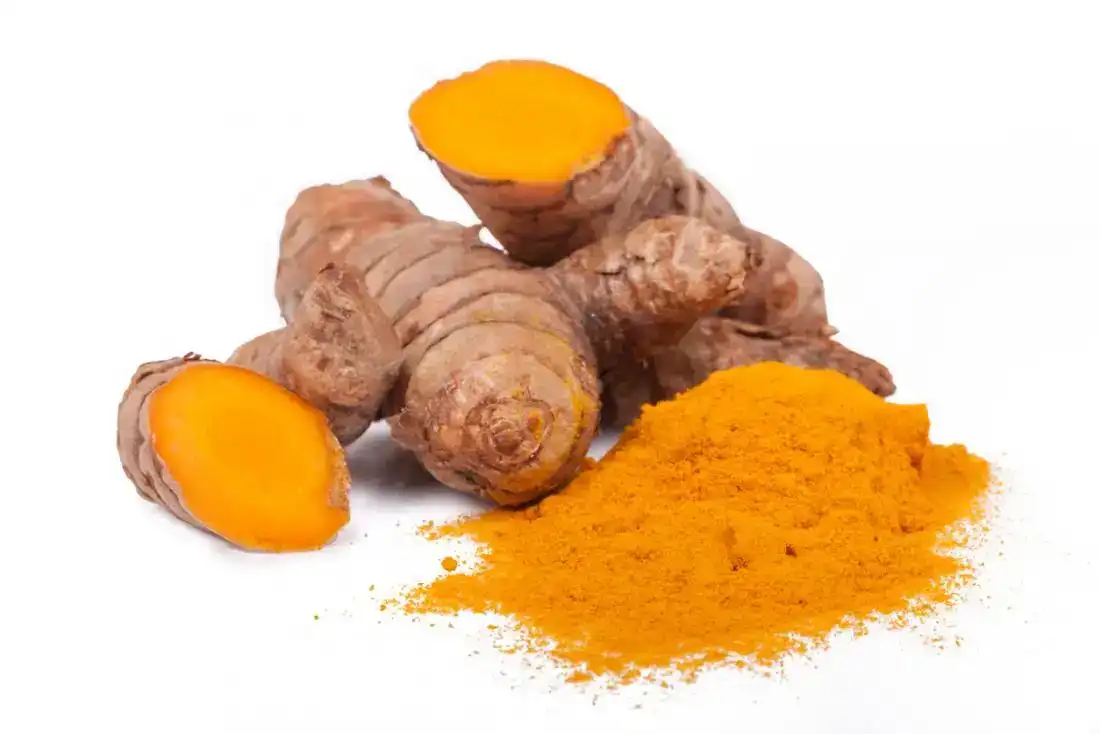
Why Pioneer Biotech Stands Out as Your Trusted Turmeric Oil Manufacturer?
A thorough assessment of technical capabilities, quality processes, and industry knowledge is necessary when choosing a botanical ingredient provider. Pioneer Biotech serves a variety of industries, including cosmetics and nutraceuticals, with more than ten years of specialized knowledge in the production of turmeric oil and powder.
Our Hanzhong factory, located in the Qinling Mountains, makes use of ideal growing circumstances to produce high-quality turmeric. Consistent raw material quality and potency are guaranteed by this location advantage. We can manufacture standardized curcumin powders that satisfy international standards as well as steam-distilled essential oils thanks to advanced extraction technology.
Benefits of Pioneer Biotech's Turmeric Oil:
- Excellent Quality Control: Consistent batch quality is guaranteed by manufacturing techniques certified by FDA, HALAL, KOSHER, and ISO9001 standards. Every production run is validated by our analytical laboratory using GC-MS and HPLC testing techniques.
- Standardized Specifications: Our turmeric oil has a consistent therapeutic efficacy for formulation development, with 25–30% turmerone and 3–5% curcuminoids.
- Adaptable Production Scale: We meet a range of volume needs while maintaining quality standards, from 1 kg samples to multi-ton commercial orders.
- Technical Support: To speed up the introduction of your product, our R&D team helps with formulation development, stability testing, and regulatory documentation.
- Thorough Documentation: Your quality assurance needs are supported by comprehensive analytical certificates, safety data sheets, and regulatory compliance documents.
- Sustainable Sourcing: Direct collaborations with approved producers guarantee moral sourcing while preserving affordability.
- Custom Formulations: Specific application needs across sectors are met by specialized processing techniques and concentration levels that are tailored.
- Fast Response: For urgent projects, streamlined procurement procedures and effective logistics allow for speedy turnaround times.
- Global Reach: Reliable worldwide shipping with appropriate cold chain management for sensitive commodities is made possible by well-established distribution networks.
- Innovation Focus: Access to state-of-the-art botanical compounds is guaranteed by ongoing investments in extraction technology and analytical techniques.
Our team offers the scientific know-how and supply chain dependability your projects require, whether you're creating breakthrough cosmetic formulations using therapeutic essential oils or high-end supplements that require standardized curcumin extracts. We are aware that effective product creation necessitates collaboration with suppliers who share your dedication to quality, in addition to using premium ingredients.
Are you prepared to see how our turmeric oil for sale will improve your upcoming recipe? Our knowledgeable staff is prepared to talk about your unique needs and offer tailored solutions. For technical details, samples, or advice on maximizing your turmeric ingredient strategy, send an email to sales@pioneerbiotech.com.
References
Aggarwal, B.B., & Harikumar, K.B. (2009). Potential therapeutic effects of curcumin, the anti-inflammatory agent, against neurodegenerative, cardiovascular, pulmonary, metabolic, autoimmune and neoplastic diseases. International Journal of Biochemistry & Cell Biology, 41(1), 40-59.
Anand, P., Kunnumakkara, A.B., Newman, R.A., & Aggarwal, B.B. (2007). Bioavailability of curcumin: problems and promises. Molecular Pharmaceutics, 4(6), 807-818.
Chainani-Wu, N. (2003). Safety and anti-inflammatory activity of curcumin: a component of turmeric (Curcuma longa). Journal of Alternative & Complementary Medicine, 9(1), 161-168.
Hewlings, S.J., & Kalman, D.S. (2017). Curcumin: A review of its effects on human health. Foods, 6(10), 92.
Prasad, S., Tyagi, A.K., & Aggarwal, B.B. (2014). Recent developments in delivery, bioavailability, absorption and metabolism of curcumin: the golden pigment from golden spice. Cancer Research and Treatment, 46(1), 2-18.
Vaughn, A.R., Branum, A., & Sivamani, R.K. (2016). Effects of turmeric (Curcuma longa) on skin health: A systematic review of the clinical evidence. Phytotherapy Research, 30(8), 1243-1264.