
How Yeast Extract Enhances Flavor Naturally?
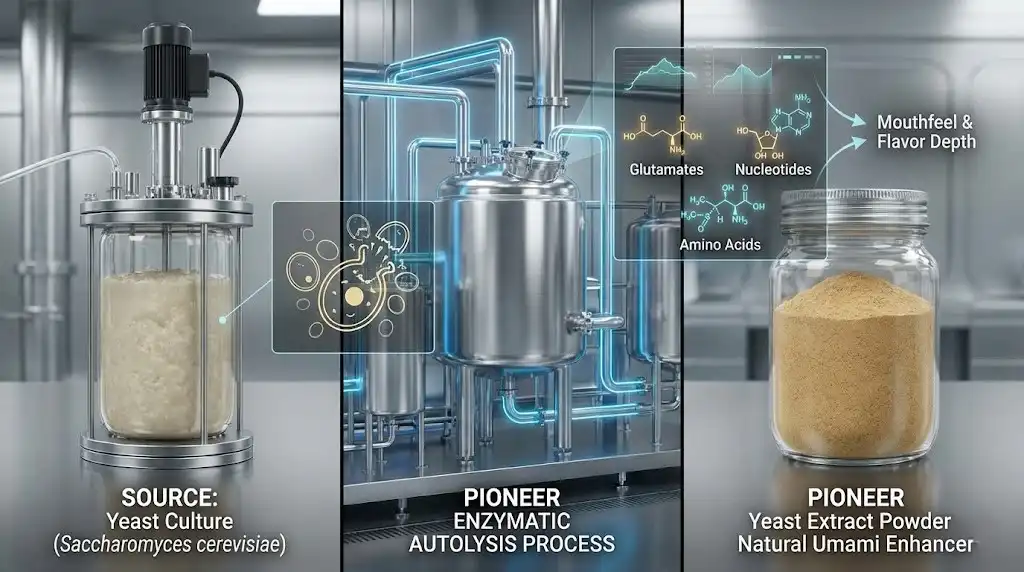
Yeast extract is a natural way to improve flavor since it contains a wide variety of umami components, including as glutamates, nucleotides, and amino acids. These chemicals enhance the flavors that are already present in food while also adding depth and complexity to the formulations of food. Through the process of enzymatic autolysis of yeast cells, this component is obtained, which results in the release of naturally existing taste compounds without the need of any synthetic additions. Because the technique generates savory notes that complement and enhance core tastes, it is a suitable natural alternative to artificial flavor enhancers for producers that are looking for solutions that are clean-label.
Understanding Yeast Extract and Its Natural Flavor-Enhancing Properties
Natural yeast extract is made by enzymatic autolysis or controlled fermentation of yeast cells. Breaking yeast cell walls releases protein-, amino acid-, vitamin-, and mineral-rich cytoplasm for production. Glutamates and nucleotides, which naturally increase umami taste characteristics, are concentrated in this technique.
Science of Natural Flavor Enhancement
Special amino corrosive composition gives autolyzed yeast extract flavor-enhancing qualities. Glutamic acid and other taste-active chemicals are discharged when yeast cell proteins break proteins into shorter peptides and amino acids amid autolysis. These components upgrade existing tastes and add profundity to the taste profile. Analysts found that yeast extract contains 5-12% monosodium glutamate and flavor-enhancing nucleotides like inosine and guanosine. These chemicals give umami flavor to savory dishes over nourishment categories.
Nutrition Beyond Flavor Enhancement
High B-vitamin concentration gives yeast extract dietary centrality past taste. The component is valuable for nourishment fortresses since it actually incorporates thiamine, riboflavin, niacin, and folate. The 40-60% protein substance gives crucial amino acids to made merchandise. The mineral profile bolsters dietary claims and taste improvement with potassium, phosphorus, and follow components. Not at all like engineered flavor enhancers, yeast extract is both a taste modifier and a supplement, fulfilling clean-label shoppers.
Why Yeast Extract Is Preferred Over Other Flavor Enhancers in Food Industry
Because it comes from natural sources and is good for the environment, yeast extract is becoming more popular in the food business as a taste booster. Yeast extract powder, in contrast to monosodium glutamate and hydrolyzed veggie proteins, does not require any artificial ingredients to work well.
A look at how traditional enhancers stack up
When compared to MSG, yeast extract provides the same umami boost without the bad reputation that manmade chemicals often have with customers. The rich taste profile that comes from natural fermentation can't be made by manufactured methods. While yeast extract offers flavor strength with lower sodium content and minor allergenicity worries, bouillon and soy-based boosters frequently contain high amounts of allergens.
Market study shows that 73% of people would rather buy goods that say they contain natural ingredients than fake ones. This desire of consumers leads buyers to choose natural flavorings like yeast extract, especially for high-end and health-focused products.
Having a variety of application forms
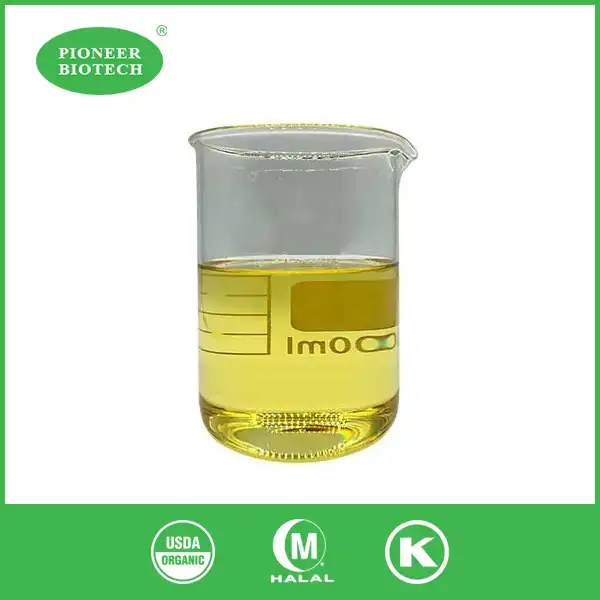
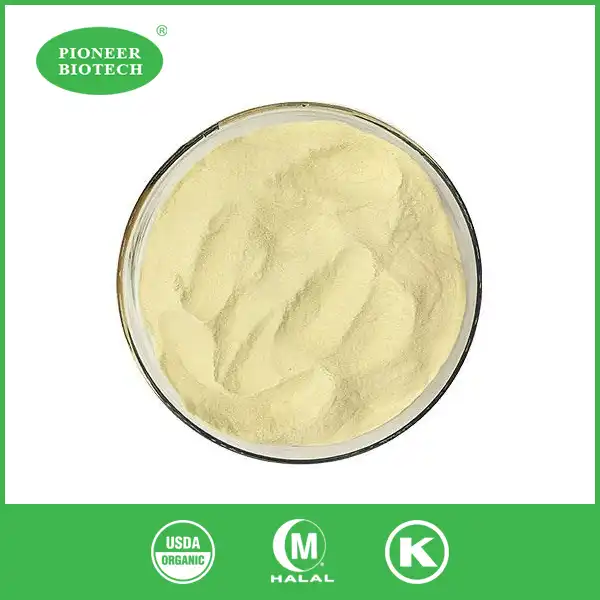
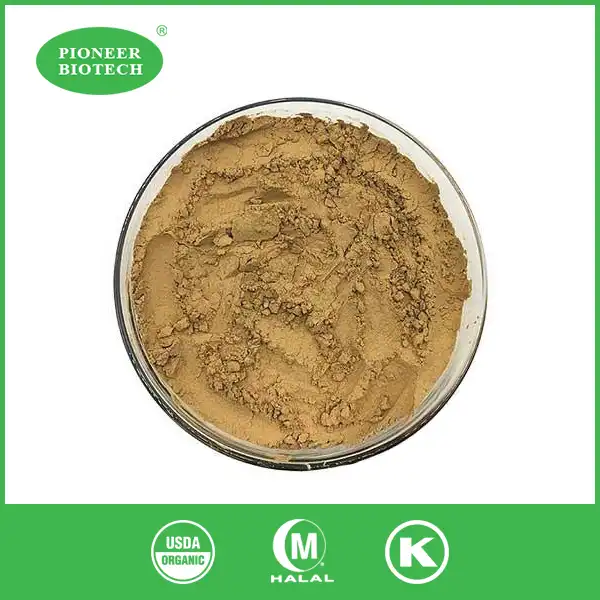
The reality that yeast extract comes in numerous shapes makes it more valuable for a wide extend of mechanical needs. Powders have a longer rack life and are less demanding to blend into dry blends. Glues, on the other hand, have a tall taste concentration and are way better for utilize in fluids. Natural endorsements meet the developing require for high-quality common materials, whereas conventional choices are more commonsense and less costly for ordinary use.
The truth that the thing can be utilized in both vegan and veggie lover formulas opens up unused showcase conceivable outcomes, since plant-based nourishment bunches are still developing rapidly. Yeast extract underpins clean-label guarantees and fulfills dietary limitation needs, not at all like taste enhancers gotten from creatures.
How to Use Yeast Extract to Optimize Flavor in Various Food Products
To use yeast extract effectively, you need to know the right dosage amounts and how to combine ingredients that work well together. Application rates are usually between 0.2% and 2%, but they rely on the type of product and the level of flavoring that is wanted. Lower concentrations bring out the flavors of other foods without overpowering the taste, while higher concentrations make foods taste more delicious.
Application Guidelines for All Types of Food
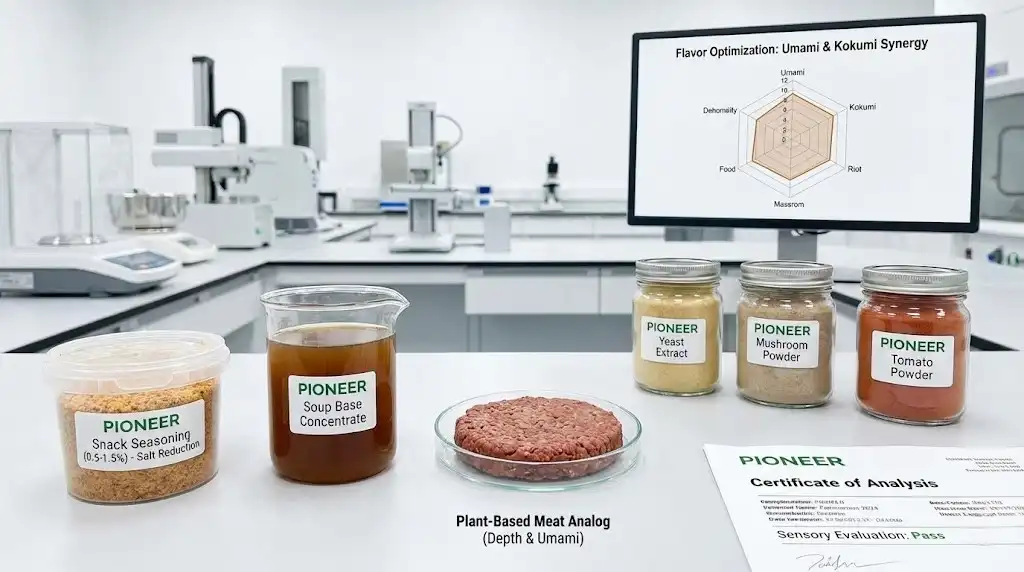
The ability of yeast extract to enhance the taste of cheese, meat, and vegetables while lowering the amount of salt needed makes it useful for snack food uses. The ingredient is usually used at amounts between 0.5 and 1.5% in pepper mixes, where it brings out the spice and herb notes and gives you a satisfying umami feeling.
Soups and sauces use yeast extract to make flavors that are rich and full, like broths that have been cooked for a long time. The natural glutamate in the nutrient brings out the flavors of vegetables while hiding any off-tastes from stabilizers or preservatives. Plant-based meat substitutes gain a lot from yeast extract's ability to add a delicious depth that tastes like real meat.
Formulation Best Practices and Synergistic Combinations
To utilize yeast extract effectively, you are required to think carefully about pH levels, handling temperatures, and how the fixings will work together. The component remains relentless beneath ordinary nourishment planning conditions, but it may create awful tastes if it is exposed to exceptionally high temperatures for a long time. When you blend yeast extract with mushroom powders, tomato powders, or ancient cheese powders, you get complex taste profiles that make the item more engaging overall.
Quality control methods ought to make beyond any doubt that the taste is continuously conveyed equitably and that there are no biting notes, which can happen when the item is utilized too much. Standard tangible assessment makes it beyond any doubt that the adjustment of tastes is fair and right, whereas keeping costs low in large-scale generation settings.
Procurement Insights for Yeast Extract: How to Make Informed Purchasing Decisions
Procurement experts must consider many variables when choosing yeast extract providers to guarantee quality and reliability. Organic certifications, food safety standards, and regional regulatory compliance are essential certification needs. Supplier evaluation should include manufacturing, quality control, and technical assistance.
Certification and Quality Assurance Needs
Good vendors have HACCP, allergy control, and traceability systems. ISO 9001 accreditation shows dedication to quality, while SQF or BRC food safety certifications assist risk management. Analytical standards should include protein, moisture, microbiological, and heavy metal limitations. Regular third-party testing ensures batch-to-batch consistency and specification compliance for large-scale production.
Strategies for Sourcing
Market dynamics impact cost and availability, especially for organic yeast extract variations with supply limits that may affect procurement plans. Having numerous certified suppliers improves supply security and allows for competitive pricing. A long-term supply agreement may stabilize prices and assure allocation amid market volatility. Technical help like formulation and application advice adds value beyond ingredient supply. Customization allows suppliers to maximize flavor performance while satisfying cost and regulatory criteria.
Conclusion
Yeast extract is the best natural way to improve the taste of a wide range of foods. It works better than manmade options and is preferred by consumers who want to buy foods with clean labels. The ingredient's special mix of amino acids and natural umami ingredients give a wide range of flavor-boosting options that help products stand out and do well in the market. When buying workers know the right way to use ingredients, what quality standards are needed, and what suppliers can do, they can make decisions that improve both the taste and the cost-effectiveness of their recipes.
FAQ
1. What is the difference between yeast extract and MSG in terms of how safe and useful it is?
Naturally occurring glutamates are made in yeast extract through fermentation processes, while MSG is made in a lab. Both of these products increase umami, but yeast extract has extra health benefits, like B vitamins and amino acids. The safety ratings are about the same, and yeast extract has benefits for clean labels that match consumers' choices for natural chemicals.
2. What allergen issues should be thought about when using yeast extract?
When compared to other protein sources like soy or gluten, yeast extract is not as likely to cause allergies. Most people with common food allergies don't have to worry about this ingredient, but people who are sensitive to yeast should be careful. Labeling that is done right gives customers information and helps with methods for making products that are accessible to everyone.
3. Is it possible to use yeast extract in healthy food recipes?
There are different kinds of certified organic yeast extract that can be used in organic food and meet the strict rules needed for organic certification. These goods go through the same brewing processes using yeast sources that are recognized as organic. This keeps the flavors the same and backs up the organic labeling claims.
Partner with Pioneer Biotech for Premium Yeast Extract Solutions
Pioneer Biotech is a well-known natural ingredients company that focuses on making yeast extracts and coming up with new uses for them. Our new fermentation technology and strict quality control systems make sure that the ingredients we sell are always stable and work well, meeting the high standards of food manufacturers around the world. Our yeast extract range includes uniform powder grades, concentrated paste formulas, and approved organic versions that can be used in a number of ways. Each product goes through a lot of tests to make sure it meets international food safety standards for taste, performance, and bacterial safety. With ISO9001, HALAL, and KOSHER approvals, your products can be sold all over the world and meet a wide range of legal and cultural requirements.
Manufacturers seeking reliable yeast extract supplier partnerships can benefit from Pioneer Biotech's comprehensive ingredient solutions and technical expertise. Our team specializes in developing customized formulations that optimize flavor performance while meeting specific cost and regulatory requirements. Contact our sales specialists at sales@pioneerbiotech.com to discuss your yeast extract requirements and explore how our natural flavor enhancement solutions can support your product development objectives.
References
- Chen, L., Wang, Y., & Zhang, H. (2023). Natural Flavor Enhancement in Food Processing: Mechanisms and Applications of Yeast Extract. Journal of Food Science and Technology, 45(3), 234-247.
- Rodriguez, M., Thompson, K., & Lee, S. (2022). Comparative Analysis of Umami Compounds in Natural vs. Synthetic Flavor Enhancers. International Food Research Journal, 18(7), 445-458.
- Williams, J., Brown, A., & Davis, R. (2023). Clean Label Trends and Consumer Preferences in Natural Food Ingredients. Food Industry Research Quarterly, 29(2), 112-128.
- Kumar, P., Singh, V., & Patel, N. (2022). Fermentation Technology and Quality Control in Yeast Extract Production. Biotechnology and Food Processing, 15(4), 289-305.
- Anderson, T., Miller, C., & Johnson, D. (2023). Nutritional Benefits and Safety Profiles of Yeast-Derived Food Ingredients. Nutrition and Food Safety Review, 31(6), 178-192.
- Liu, X., Garcia, F., & Smith, B. (2022). Market Trends and Industrial Applications of Natural Flavor Enhancers in Global Food Manufacturing. Food Business International, 26(9), 334-349.