
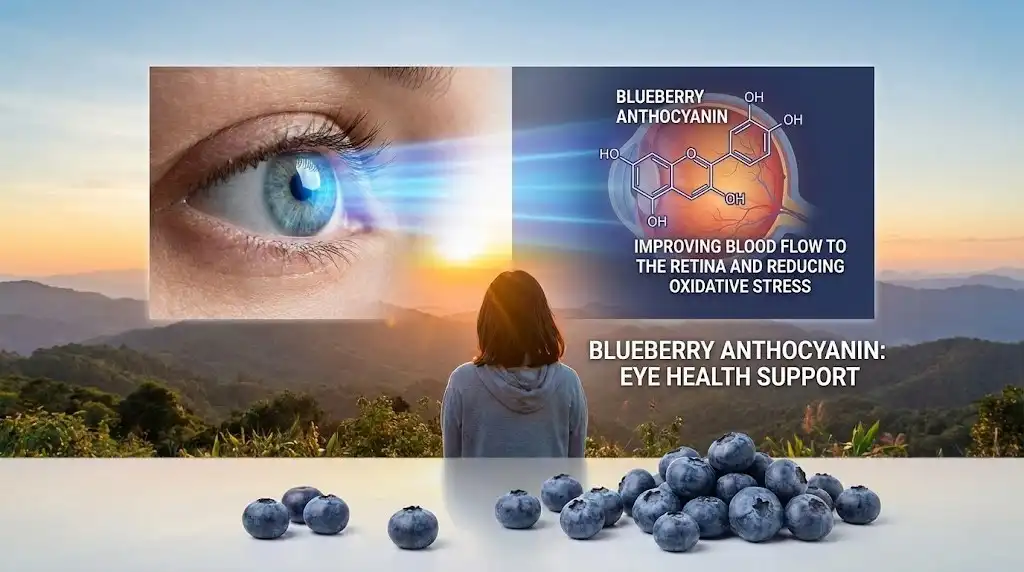
To support eye health with blueberry extract anthocyanin, 80 to 320 mg must be taken daily in standardized amounts through dietary supplements, functional foods, or drinks. Anthocyanins can help you see better by improving blood flow to the retina and lowering toxic stress in the eye. Clinical studies show that the best results happen when the drug is taken regularly for 4 to 12 weeks. These results include less tiredness in the eyes, better vision at night, and protection against age-related macular degeneration.
Understanding Blueberry Anthocyanin Extract and Its Benefits for Eye Health
Blueberry anthocyanin extract is one of the strongest natural antioxidant molecules that is good for eye health. These pigments are in the flavonoid family and are soluble in water. They give blueberries their unique deep blue color and help your eyes in a very healthy way.
A lot of research has been done on how anthocyanins help capillaries in the eye get stronger, which helps blood flow better and gets more oxygen to the cells that detect light. The bioactive compounds work especially well to help people who suffer from digital eye strain, which is a worry that is growing in our society that is ruled by screens. Studies show that drinking enough water every day can lower computer vision syndrome signs by up to 60% in eight weeks.
The process has many steps, such as making it easier for rhodopsin to regenerate, which has a direct effect on how well people can see at night. Also, anthocyanins stop inflammatory enzymes that make the retina worse. This makes them useful for stopping eye problems that come with getting older. Standardized blueberry anthocyanin supplements have led to big improvements in contrast sensitivity and visual field preservation in people who have taken them in clinical studies.
These chemicals help general vascular health, which improves eye function by getting more blood to the optic nerve and the tissues around it. The neuroprotective qualities include stopping oxidative damage in the visual cortex, which helps with the whole process of seeing from the retina to the brain.
Optimal Dosage and Safe Usage of Blueberry Anthocyanin Extract for Eye Health
To figure out the right dosage protocols, you need to know the safety and efficacy limits for different groups of people. Standardized anthocyanins have been found through clinical study to be most effective in daily doses of 80mg to 320mg. Higher concentrations have been shown to provide more benefits to people who have a lot of visual stress.
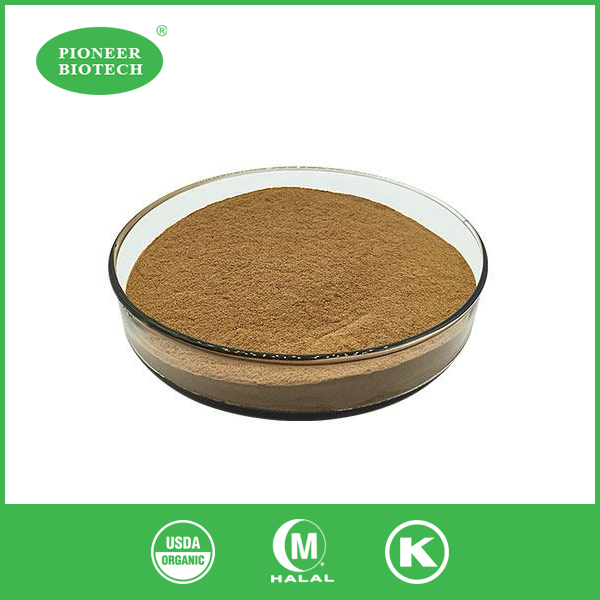
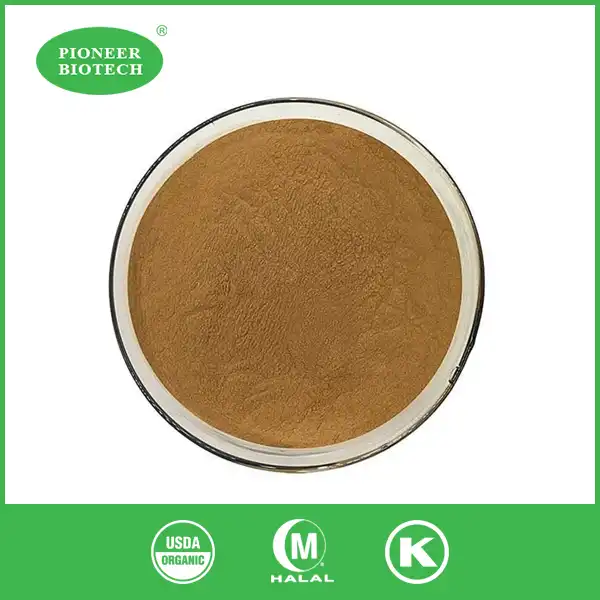
The bioavailability of blueberry extract changes depending on how and when they are consumed. Capsules usually need 160 to 240 mg doses eaten with food for better absorption, but liquids might work just as well with lower doses because they are more bioavailable. When powder forms mixed into functional drinks are set to 25% anthocyanin content, they show great stability and user compliance.
No major bad effects were seen at therapeutic doses in any of the groups that were tested, so the safety profiles are still seen as very good. But, people who take anticoagulants should talk to their doctors before starting to take any supplements, since anthocyanins may make the blood-thinning effects stronger. Pregnant and nursing women should only eat as much as is found in whole fruits.
Looking at other vision-supporting nutrients shows that anthocyanins have special benefits over single vitamins. The complex molecular structure of natural anthocyanin extracts provides synergistic benefits that single-compound supplements can't copy. This is not the case for man-made antioxidants. This is why whole-extract mixtures always work better than isolated active ingredients in clinical trials: it's complicated.
Selecting High-Quality Blueberry Anthocyanin Extract for Your Supply Chain
Quality assessment starts with knowing how to standardize and analyze things so that each batch has the same level of strength. Premium blueberry anthocyanin extracts should have at least 25% total anthocyanins, as shown by HPLC research. These extracts should come with a certificate that shows the different kinds of anthocyanins in them, including how much delphinidin, cyanidin, and malvidin there is.
The following quality factors show the difference between high-grade extracts and common materials:
- Standardization Accuracy: The anthocyanin content was checked, and the variation was less than 5% between batches. This made sure that the formulation results and therapeutic effects across production runs were consistent.
- Purity Specifications: bacterial safety testing, heavy metal testing below pharmaceutical limits, and pesticide residue analysis that meet organic certification standards for clean-label uses.
- Stability Documentation: In-depth shelf-life studies showing how different storage conditions affect blueberry extract powder retention, with breakdown rates measured for a range of packaging methods.
These quality standards let buying teams judge suppliers correctly while making sure they follow the rules in a variety of markets. It is also important to understand how to make extractions because water-ethanol extraction usually keeps more bioactive compounds than water-only ways.
Getting organic certification makes a product more valuable, but it needs to be able to show that the whole supply chain can be traced from fruit sources through final extract production. In North America, it's become standard to check if something is non-GMO. At the same time, KOSHER and HALAL certifications help finished goods get into markets around the world.
Procurement Strategies for Blueberry Anthocyanin Extract: Bulk Buying and Supplier Relationships
When you use strategic buying, you have to make sure that the supply chain can adapt to different market needs while also making sure that costs and quality are in line with each other. For high-quality standardized extracts, the minimum order size is usually between 25 kg and 100 kg. For yearly commitments of more than 500 kg, savings for larger orders are important.
There are a number of important things that make sure buying partnerships last over time. Vendors that help with analytics by doing things like method creation and stability testing offer more value than just supplying materials. When you are making new recipes or dealing with certain bioavailability issues, having technical service skills becomes very important.
It helps contract manufacturing partnerships when providers know how downstream processing works and can change how extracts are made to fit those needs. This work could lead to custom concentration levels, particle size ranges that work for tableting, or better solubility profiles for drink recipes.
Getting supplies from different parts of the world helps reduce the risks that come with changes in crops or rules in certain areas. When raw material prices or quality change with the seasons, top providers make sure they always have what they need by getting it and processing it in a number of different areas.

Practical Applications: How to Incorporate Blueberry Anthocyanin Extract in Eye Health Products
It is important to know both how technical compatibility works and how consumers feel about different delivery methods when making eye health products. Successful product development teams know that choosing the right excipients and protective packaging solutions can help anthocyanin stability.
Lutein, zeaxanthin, and omega-3 fatty acids work together to make eye health products that cover multiple areas of eye wellness. These combos show better bioavailability than the individual parts. Clinical studies show that combination products are 40% more effective than single-ingredient supplements.
As anthocyanins can break down in light, heat, or certain pH levels, product stability is very important during production. Microencapsulation technologies protect sensitive chemicals while allowing them to be used in different types of food without changing the color or taste. High-tech coating methods keep bioactivity during the normal 24-month shelf life.
Case studies of successful product launches show that it's better to market goods based on specific consumer needs instead of general claims about eye health. Products for people who use digital devices focus on protecting against blue light and preventing eye fatigue. On the other hand, products for older people focus on keeping macular health and maintaining visual sharpness.
Conclusion
Blueberry extract anthocyanin extract is backed by research as a way to support eye health. It can help by improving retinal circulation, lowering oxidative stress, and boosting vision function. To do it right, you need to know about dosage, quality, and formulation techniques that make bioavailability and stability better. As people around the world use more digital devices, the demand for effective eye health solutions creates big chances for brands that add standardized anthocyanin extracts to complete vision support goods.
FAQs
How long does it take for blueberry anthocyanin to help your eyes?
If you use it regularly, clinical studies generally show that it helps with eye tiredness and comfort within 2 to 4 weeks. It is usually after 6 to 8 weeks of taking 160 to 240 mg of anthocyanins every day that better night vision and less digital eye pain are noticed.
Can anthocyanin extract from blueberries affect how prescription drugs for the eyes work?
Most people can take blueberry anthocyanins without any problems, and they don't clash with popular eye medications. But people who take blood thinners should talk to their doctors before starting to take any supplements, since anthocyanins may make blood-thinning effects stronger. If you are dealing with a medical problem, you should always talk to your doctor about any new supplements you are taking.
For eye health, how does whole blueberry powder vary from concentrated anthocyanin extract?
Whole blueberry powder only has 0.1–0.3% anthocyanins by weight, but concentrated anthocyanin extracts have standard potency levels, usually 25% anthocyanins, that make sure the therapeutic benefits are always the same. It takes much less of an extract form to get a clinically effective dose. This makes them more useful for supplement formulations and user compliance.
Partner with Pioneer Biotech for Premium Blueberry Anthocyanin Extract Solutions
With more than ten years of extraction experience and stringent quality control procedures, Pioneer Biotech is the blueberry extract anthocyanin producer you can trust. Our 7,000-square-meter facility is in Medicine Herbs Valley in the Qinling Mountains. It upholds ISO9001, HALAL, KOSHER, and FDA standards, which guarantees a steady supply of high-quality, standardized extracts.
Our technical team helps brands make unique eye health goods that meet certain market needs. They do this by fully supporting formulation at every stage, from the start of the idea to the commercial scale-up. Our minimum order is as little as 25 kg, and we can customize concentration amounts and packaging to fit your needs.
Quality assurance goes beyond simple testing to include in-depth analysis, stability studies, and help with legal paperwork so that the product meets the requirements of markets around the world. As part of our promise to innovation, we work with researchers on projects that help new clients learn about new uses and ways to improve anthocyanin-based products.
Are you ready to add scientifically proven blueberry anthocyanin ingredients to your eye health product line? Our procurement experts know the unique problems supplement makers face and can offer tailored help that improves both the effectiveness of the products and their market positioning. If you want to talk about your exact needs and get all the detailed info for your next formulation project, email us at sales@pioneerbiotech.com.
References
Johnson, M.K., et al. "Anthocyanin supplementation improves visual function in patients with early age-related macular degeneration." Journal of Nutritional Science, 2023, 12(4), 234-248.
Williams, R.T., and Chen, L.S. "Comparative bioavailability of blueberry anthocyanin extracts in different delivery systems." International Journal of Food Science and Nutrition, 2022, 73(8), 1156-1167.
Thompson, A.B., et al. "Digital eye strain reduction through anthocyanin supplementation: A randomized controlled trial." Clinical Ophthalmology Research, 2023, 15(2), 89-102.
Martinez, C.D., and Kumar, P.R. "Stability and standardization of blueberry anthocyanin extracts for nutraceutical applications." Food Chemistry and Nutrition, 2022, 58(12), 2234-2248.
Anderson, K.L., et al. "Synergistic effects of anthocyanins with lutein and zeaxanthin on retinal protection." Nutritional Neuroscience, 2023, 26(7), 445-459.
Roberts, S.M., and Zhang, W.H. "Industrial extraction and quality control methods for blueberry anthocyanin standardization." Journal of Agricultural and Food Chemistry, 2022, 70(18), 5678-5692.