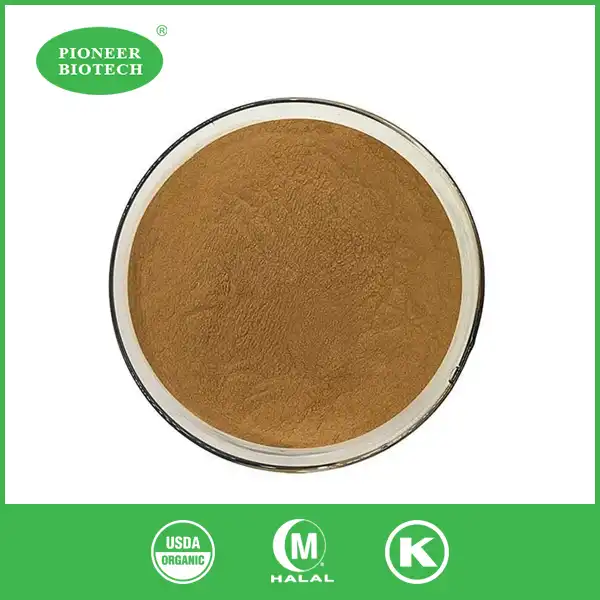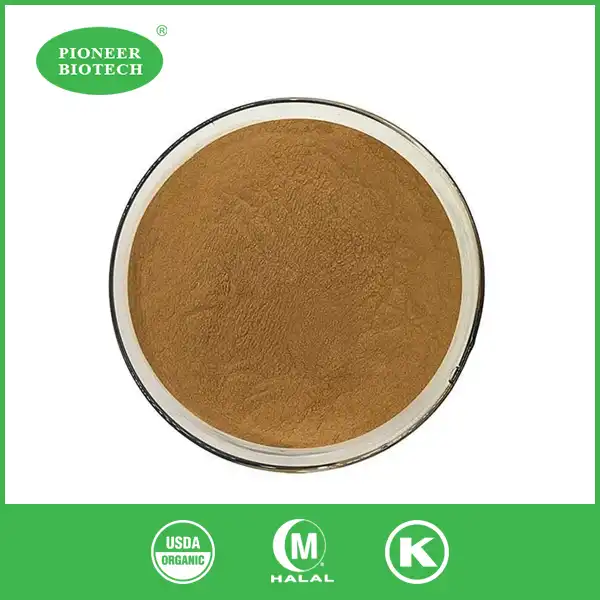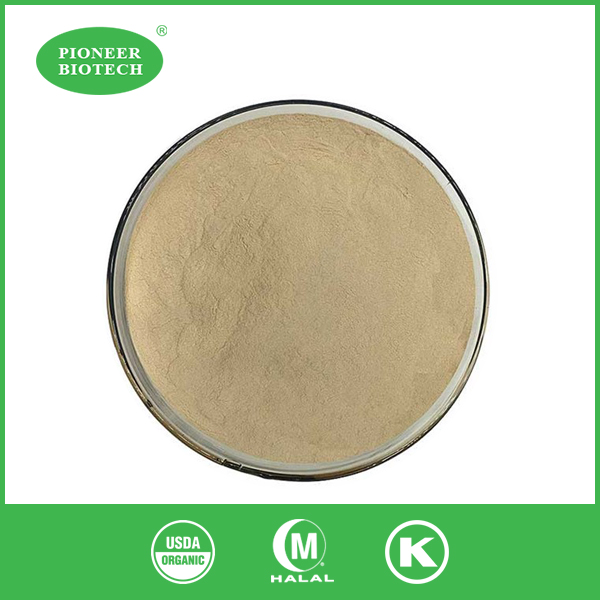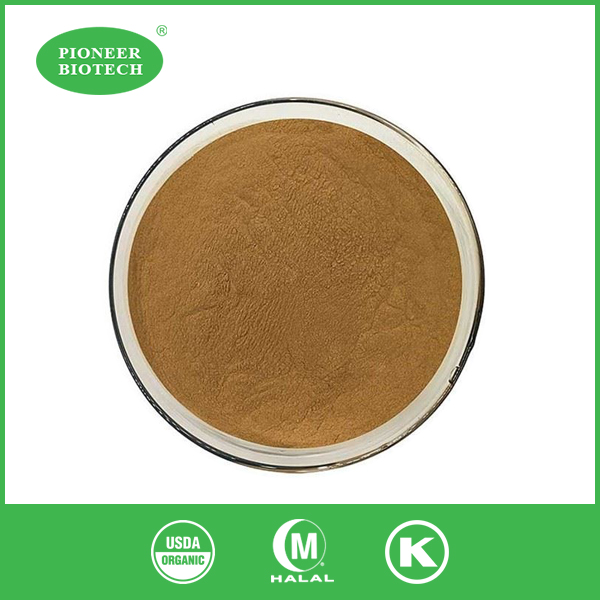

It is important to carefully check standardized active ingredients, follow strict quality testing rules, and make sure suppliers are certified when choosing a high-purity astragalus extract for nutritional production. The key is to find astragalus extract powder that keeps the same levels of polysaccharides and saponins and meets high GMP compliance standards. Quality makers offer full Certificates of Analysis, proof from a third party, and clear records of their supply chains. This methodical way makes sure that your end nutraceuticals are bioactive, follow the rules, and are safe for people who use them.
Understanding Astragalus Extract Powder and Its Significance in Nutraceuticals
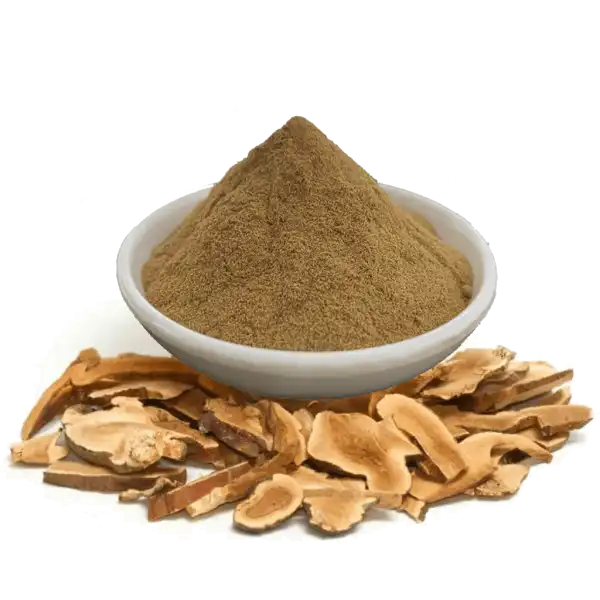
Astragalus extract powder is produced from the roots of Astragalus membranaceus and is used as a botanical ingredient in dietary supplements, functional foods, and other nutraceutical products. The root contains several groups of compounds of interest, including polysaccharides, saponins such as astragaloside IV, and flavonoids.
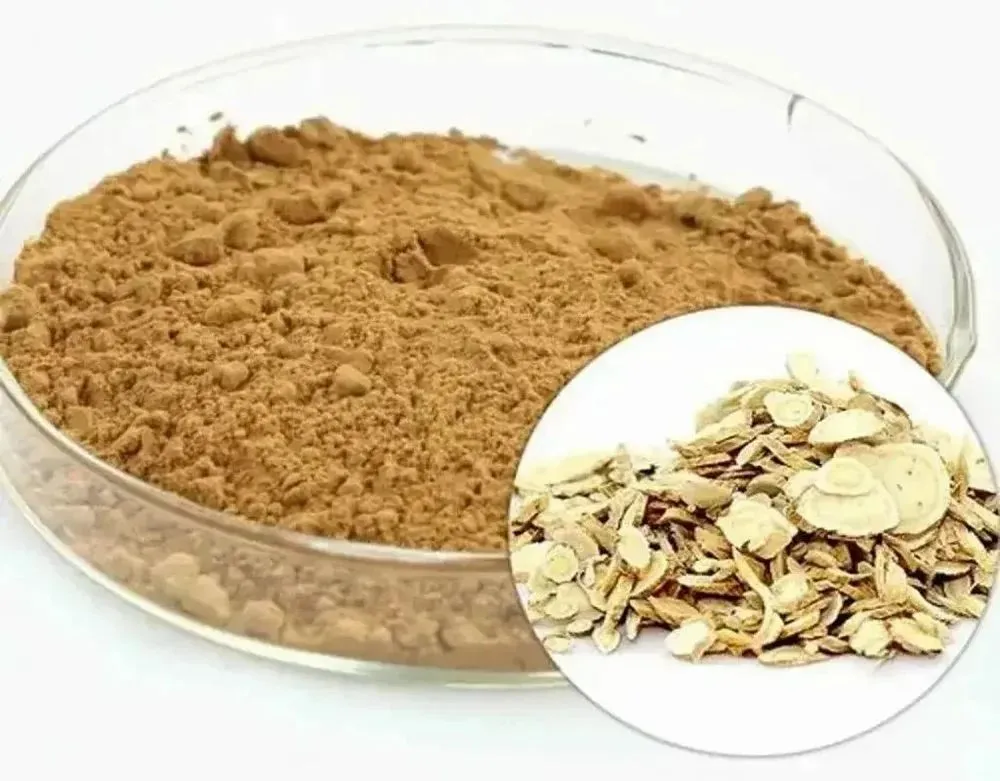
For manufacturers, the important point is that Astragalus root powder and Astragalus extract powder are not interchangeable materials. A root powder generally reflects the composition of the starting plant material, while an extract is processed to concentrate selected constituents. The final specification therefore depends on the plant material, extraction process, concentration ratio, and analytical method used by the manufacturer.
Astragalus polysaccharides and astragaloside IV have been widely investigated in laboratory and preclinical research. However, the evidence should be considered according to the type of study. Research on astragaloside IV, for example, covers biological activities such as anti-inflammatory, antioxidant, and cardiovascular effects, but these findings should not automatically be presented as proven clinical benefits of a finished dietary supplement.
For B2B buyers, the more useful question is therefore not simply whether an extract is described as “high purity.” The buyer should determine which compounds are standardized, how they are measured, and whether every batch meets the agreed specification.
Core Criteria for Selecting High-Purity Astragalus Extract Powder
Before purchasing astragalus extract powder, buyers should establish a product specification that covers botanical identity, active markers, contaminants, physical characteristics, packaging, and documentation.
Active Compound Uniformity
The specification should clearly identify which constituents are being used as quality markers. Depending on the intended application, buyers may request information about:
- Astragalus polysaccharide content
- Astragaloside IV content
- Total saponins, where applicable
- Extract ratio
- Moisture
- Physical appearance and solubility
These parameters should not be treated as interchangeable measures of purity. For example, a product standardized to a specific polysaccharide content is different from a product standardized according to astragaloside IV.
Analytical methods should also be identified in the product specification or Certificate of Analysis. HPLC or other validated chromatographic methods can be used for selected marker compounds, while different analytical approaches may be appropriate for polysaccharides and other parameters.
The key procurement objective is batch-to-batch consistency, rather than simply choosing the product with the highest numerical assay.
Microbial and Contaminant Testing
Microbial quality is an important part of botanical ingredient qualification. Depending on the intended market and product category, buyers may request testing for:
- Total aerobic microbial count
- Yeast and mold
- Escherichia coli
- Salmonella
- Other specified microorganisms
Heavy metals and pesticide residues may also need to be evaluated according to the requirements of the destination market and the customer's product specification.
Rather than applying one universal numerical limit to every market, buyers should compare the supplier's results with the regulatory requirements that apply to the finished product and target country.
Documentation and Organic Status
A reliable supplier should be able to provide batch-specific documentation rather than relying only on a general product specification.
A useful documentation package may include:
- Certificate of Analysis
- Raw material identification information
- Manufacturing specifications
- Microbial testing results
- Heavy metal testing results
- Pesticide testing, where required
- Allergen information, where applicable
- Stability information, when available
- Organic certification, if the product is sold as organic
Organic certification should also be treated separately from general quality certification. A product should not be described as organic unless the applicable certification requirements have actually been met.
For buyers, the most useful approach is to compare the supplier's documentation against the specification required for the final nutraceutical product.
Sourcing Strategies for High-Purity Astragalus Extract Powder
Selecting a supplier involves more than comparing the quoted price per kilogram. Buyers should assess whether the manufacturer can consistently produce the required specification and provide the documentation needed for quality control and regulatory review.
Supplier qualification can include:
- Reviewing manufacturing certifications
- Requesting recent batch-specific CoAs
- Evaluating analytical methods
- Testing pre-shipment samples through an independent laboratory
- Reviewing raw material traceability
- Checking packaging and storage conditions
- Confirming production and delivery capabilities
Supplier Audits and Sample Testing
A supplier audit can provide useful information about manufacturing and quality systems that cannot be obtained from a product brochure alone.
For an initial qualification, buyers can request a representative sample and compare it with the supplier's CoA. Independent laboratory testing can then be used to verify important parameters according to the agreed specification.
This is particularly useful when the material will be used in a finished product with strict quality requirements.
Supply Chain and Raw Material Traceability
The quality of botanical extracts depends partly on the starting plant material and processing conditions. Buyers should therefore ask suppliers about botanical identity, plant part, sourcing region, harvesting practices where relevant, and extraction method.
However, geographic origin alone should not be treated as proof of superior quality. Analytical results and batch documentation provide a more practical basis for evaluating the finished ingredient.
MOQ, Lead Time, and Logistics
MOQ and lead time vary according to the supplier, product specification, production schedule, packaging format, and whether the material is a standard or customized product.
Instead of assuming a universal MOQ or delivery period, buyers should request a quotation based on:
- Required specification
- Order quantity
- Packaging requirements
- Destination country
- Required documentation
- Customized testing or labeling requirements
For international shipments, moisture protection, suitable packaging, storage conditions, and required import documentation should also be confirmed before shipment.
Quality Assurance and Compliance in Nutraceutical Production
Quality and regulatory requirements for astragalus extract powder depend on the destination market and the intended use of the ingredient.
For products entering the United States, dietary supplement manufacturers are subject to applicable FDA requirements, including dietary supplement current Good Manufacturing Practice requirements. Supplier qualification should therefore consider identity, specifications, testing, manufacturing controls, and batch documentation rather than relying on a single certification.
For products intended for other markets, buyers should separately confirm the applicable food, supplement, novel-food, labeling, and health-claim requirements.
Certificate of Analysis
A batch-specific Certificate of Analysis is one of the most useful documents for routine incoming quality control.
Depending on the agreed specification, a CoA may contain:
- Product name and batch number
- Manufacturing date or testing date
- Appearance
- Assay or marker-compound results
- Moisture
- Microbiological results
- Heavy metal results
- Other contaminant testing
- Analytical methods
- Specification limits
- Pass/fail status
A CoA should be reviewed together with the supplier's specification. A test result without a clearly defined acceptance criterion is less useful for procurement decisions.
Traceability
Traceability allows a buyer to connect the finished ingredient with its production batch and supporting documentation.
For botanical ingredients, useful records can include raw material identification, production batch information, testing records, packaging information, and shipment records.
A well-maintained traceability system also makes it easier to investigate a quality deviation if one occurs.
Understanding Research Evidence
Research on Astragalus compounds should be interpreted carefully.
Published reviews describe substantial research into Astragalus polysaccharides and astragaloside IV, including laboratory and animal studies. However, evidence for a particular biological mechanism does not automatically establish a clinically proven benefit for every commercial Astragalus extract.
For this reason, manufacturers of nutraceutical products should separate ingredient characterization, preclinical research, and human clinical evidence when preparing product claims.
Practical Guidelines for Integrating Astragalus Extract Powder in Your Products
Successful formulation development starts with selecting an extract whose specification matches the finished product.
The appropriate inclusion level depends on the extract's concentration, marker compounds, intended serving size, formulation format, and applicable regulatory requirements. It is therefore better to establish the ingredient specification first rather than applying a universal dosage to every Astragalus extract.
Formulation Considerations
For product developers, several practical properties may need to be evaluated:
- Solubility
- Particle size
- Moisture
- Bulk density
- Flowability
- Taste and odor
- Compatibility with other ingredients
- Stability during processing and storage
Water-soluble Astragalus extracts may be suitable for certain beverage or powder formulations, while other extract formats may be more appropriate for capsules or tablets. The actual suitability should be confirmed through formulation trials.
Standardization and Batch Consistency
A standardized extract can simplify formulation work because the buyer has a defined target for selected marker compounds.
However, standardization should always be linked to a measurable specification. For example, a buyer should know whether the supplier is standardizing according to polysaccharides, astragaloside IV, total saponins, or another agreed parameter.
The same specification should then be applied consistently across batches.
Combining Astragalus With Other Ingredients
Astragalus may be included in multi-ingredient nutraceutical formulations. However, combinations should be evaluated according to the intended product, regulatory requirements, formulation stability, and available scientific evidence.
Claims about synergistic effects should not be made simply because two botanical ingredients are used together. Evidence from cell or animal studies also should not be presented as proof of a corresponding effect in humans.
Conclusion
Selecting astragalus extract powder for nutraceutical production requires more than choosing the highest stated purity. Buyers should first define the target specification and then verify botanical identity, marker compounds, contaminants, analytical methods, batch consistency, documentation, and supplier capabilities.
Standardization is particularly important because Astragalus extracts can differ substantially according to the starting material and extraction process. Polysaccharides and astragaloside IV are among the constituents commonly investigated in Astragalus, but their reported biological activities should be interpreted according to the available evidence rather than converted directly into product claims.
For B2B procurement teams, a practical supplier-selection process is therefore:
- Define the required extract specification.
- Confirm the botanical identity and marker compounds.
- Request a batch-specific CoA.
- Review microbiological and contaminant testing.
- Verify relevant manufacturing and quality certifications.
- Test samples when appropriate.
- Confirm MOQ, lead time, packaging, and documentation.
- Evaluate the supplier's ability to maintain the same specification across future batches.
This approach gives product developers and procurement teams a clearer basis for selecting an Astragalus ingredient and reducing avoidable quality and supply-chain risks.
FAQ
What makes high-purity astragalus extract powder different from normal astragalus powder?
Astragalus root powder is made by processing the plant material itself, while an extract is produced through an extraction and concentration process. As a result, the concentration of selected constituents can differ substantially.
For procurement purposes, buyers should compare the extract ratio, marker compounds, analytical method, and batch-specific CoA rather than relying only on the term “high purity.”
How can I make sure that the astragalus extract I get from sellers is pure and high-quality?
Start by requesting a complete product specification and a recent batch-specific Certificate of Analysis. Depending on the application, the documentation should address marker compounds, microbiological quality, heavy metals, pesticides, and other relevant contaminants.
For a new supplier, independent laboratory testing of a representative sample can provide an additional verification step.
How long does it usually take to prepare a large order of astragalus extract powder?
There is no universal lead time for Astragalus extract. Standard products that are already available may have different lead times from customized specifications or larger production orders.
When requesting a quotation, provide the required specification, quantity, packaging, destination, and documentation requirements. The supplier can then confirm the actual production and shipping schedule.
Partner with Pioneer Biotech for Premium Astragalus Extract Powder
For buyers evaluating astragalus extract powder, supplier capabilities should be assessed against the same criteria used to qualify the ingredient itself: specification control, analytical testing, documentation, customization, and supply capability.
Pioneer Biotech can provide Astragalus extract solutions for nutraceutical product development. Buyers can discuss their required marker compounds, testing requirements, packaging format, quantity, and target market with the company's sales team before placing an order.
For customers who require a specific standardization profile, it is important to confirm the available specification and testing method in advance. Batch-specific documentation can then be reviewed against the agreed product requirements.
This approach is more useful than simply selecting a supplier based on a general “high-purity” claim because it creates clear quality criteria that both the buyer and manufacturer can use throughout the supply relationship.
For samples, specifications, pricing, and application requirements, contact Pioneer Biotech at sales@pioneerbiotech.com.
References
1. Fu J, Wang Z, Huang L, et al. Review of the botanical characteristics, phytochemistry, and pharmacology of Astragalus membranaceus (Huangqi). Phytotherapy Research. 2014.
2. Qian M, et al. A Review of the Pharmacological Action of Astragalus Polysaccharide. Frontiers in Pharmacology. 2020.
3. Tian H, An L, Wang P, et al. Review of Astragalus membranaceus polysaccharides: Extraction process, structural features, bioactivities and applications. Chinese Herbal Medicine. 2024/2025.
4. Zhang J, Wu C, Gao L, et al. Astragaloside IV derived from Astragalus membranaceus: A research review on the pharmacological effects. Advances in Pharmacology. 2020.
5. Liang Y, Chen B, Liang D, et al. Pharmacological Effects of Astragaloside IV: A Review. Molecules. 2023.