
Fucoxanthin Powder Stability and Formulation Tips
Fucoxanthin powder consistency and recipe improvement are very important for companies that want to use the powerful bioactive qualities of this marine carotenoid. Because it comes from brown algae, this high-quality xanthophyll extract needs to be handled and mixed in a certain way so that it stays structurally stable and bioavailable. Figuring out the things in the environment that cause fucoxanthin powder to break down, using protective encapsulation technologies, and picking the right excipients can make products last longer and work better in nutraceutical, pharmaceutical, and cosmetic uses.
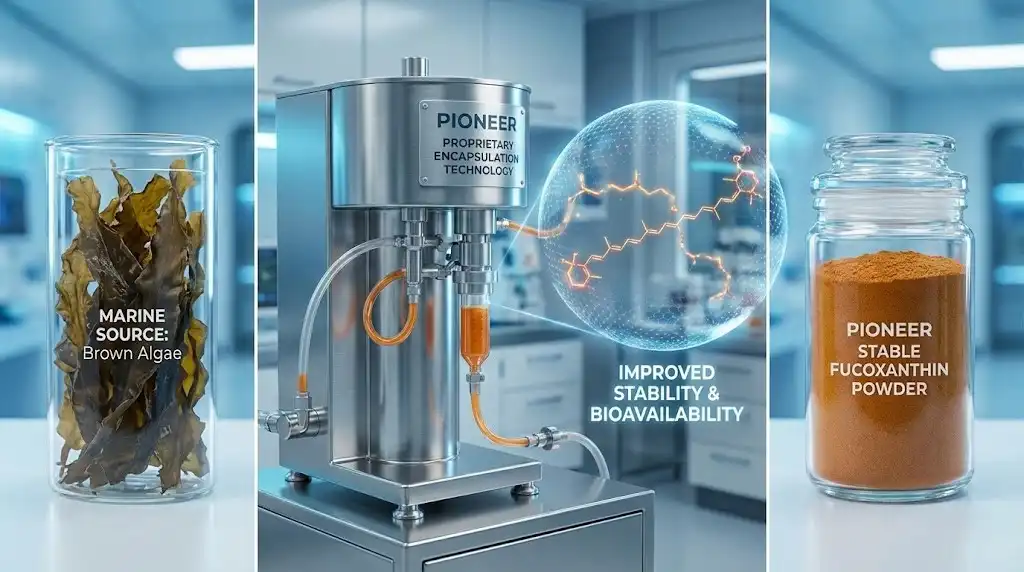
Understanding Fucoxanthin Powder Stability
Because of how stable fucoxanthin powder is, it has different problems to deal with than other carotenoids. The xanthophyll in this sea plant comes from an odd allenic bond and 5,6-monoepoxide structure. This makes it very biologically active but also makes it vulnerable to environmental degradation. Light contact is the main thing that makes things less stable. It starts photoisomerization processes that change the bioactive all-trans structure to cis-isomers that are not as strong.
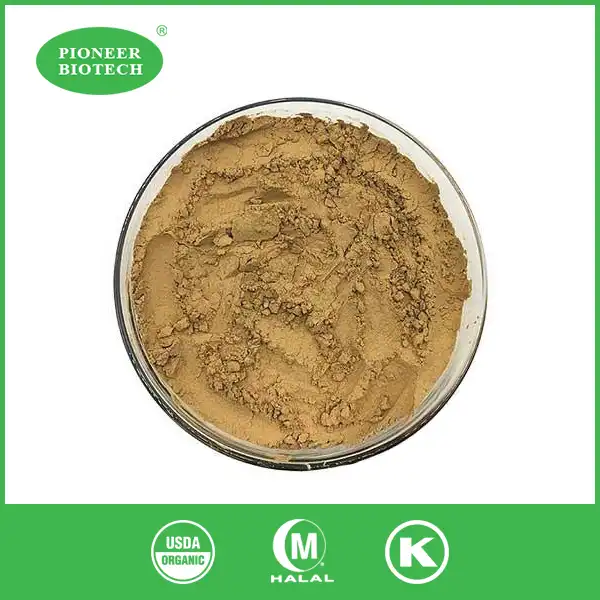
Changes in temperature speed up these processes of breakdown, especially when they are mixed with oxygen contact. Marine biochemistry labs have found that fucoxanthin powder can lose up to 40% of its effectiveness in 30 days if it is kept at room temperature without any protection. This quick breakdown happens because of oxidant stress, which attacks the allenic bond structure. This makes the color change from orange-brown to pale yellow.
Environmental Factors Affecting Stability
Controlling humidity becomes another important factor that affects how long fucoxanthin powder lasts. When the relative humidity is above 5%, it can speed up hydrolytic processes that damage the molecule structure. Good suppliers use nitrogen-sealed packing methods that keep the moisture level below 3% and stop oxygen from getting in. These safety steps are needed to keep the characteristic absorption highest at 450 nm, which shows that the substance is stable.
Because fucoxanthin powder is lipophilic, it needs to be added to formulations in different ways. Unlike vitamins that dissolve in water, this carotenoid needs to be delivered through oil-based carriers or special methods in order to be fully bioavailable. However, these lipid frameworks can make the fucoxanthin structure less stable through lipid peroxidation processes that create free radicals that can damage it.
Molecular Degradation Pathways
Formulators can make more effective security plans by understanding the specific processes of degradation. The main way it works is that singlet oxygen attacks the conjugated double bond system, which makes epoxides and then ring opening processes. Apocarotenoids that have less cellular action and different sensory qualities are made by secondary degradation.
Using advanced analytical methods and HPLC-DAD systems, we can keep an eye on these breakdown products and get the precise stability data we need to figure out how long something will last. Quality providers provide in-depth stable studies that show how well the product's potency stays the same under different store situations. This information helps formulators make smart choices.
Key Formulation Principles for Enhancing Fucoxanthin Powder Stability
For fucoxanthin extract powder formulation to work, it needs a methodical technique that deals with several stability issues at the same time. Choosing excipients and protection agents that work well together is the most important part of making a good product. An important part of avoiding oxidative degradation is antioxidant systems. Natural antioxidants like mixed tocopherols, ascorbyl palmitate, and rosemary extract are better at protecting than manufactured ones.
The best defense against environmental threats comes from microencapsulation technology. Spray-drying methods that use maltodextrin or modified starch matrices can surround fucoxanthin powder with shells that keep it from coming into direct touch with light and air. It is possible to add these enclosed forms to water-based formulas and keep them stable for long periods of time.
Advanced Encapsulation Technologies
Using cyclodextrin inclusion complexes is another complicated way to make things more stable. Beta-cyclodextrin and fucoxanthin form molecular inclusion complexes that protect the structure of the carotenoids and make them easier to dissolve in water. This technology makes it possible to make mixtures that dissolve in cold water but keep their bioactivity for use in beverages.
Liposomal capsule methods offer extra benefits for use in cosmetics and nutrition supplements. Phospholipid bilayers make biomimetic transport systems that keep fucoxanthin safe while it's being stored and improve its uptake by cells. These advanced systems need to be made by people with special skills, but they are more stable and bioavailable than other systems on the market.
Whether you use organic or manufactured excipients has a big effect on both stability and market acceptance. Organic certification rules often limit the types of excipients that can be used. This means that creative preparation methods are needed to get the stability that is wanted without hurting the clean-label image. Natural antioxidant systems might need higher amounts, but consumers like chemicals that they can recognize.
Processing Optimization Strategies
To keep heat degradation from happening, the conditions of processing during powder mixing and encapsulation need to be carefully optimized. Low-temperature processing methods, like freeze-drying and supercritical fluid extraction, keep the purity of fucoxanthin while making it easier to make more of it. Temperature tracking devices make sure that the parameters of processing stay within accepted ranges during output.
Using nitrogen or argon for inert gas processes stops oxidative damage from happening during production. These controlled atmosphere systems cost money to buy, but they pay for themselves many times over by making products better and keeping them fresh longer. Quality makers use a wide range of environmental controls to keep the purity of their products from the time they are extracted until they are packed.
Comparative Analysis: Fucoxanthin Powder Formulations in the Market
An study of the market shows that the quality and stability of fucoxanthin powder vary a lot between sellers and formulation methods. Because they are extracted more cleanly and don't leave behind any chemicals that can speed up breakdown reactions, premium organic sources usually have better stability profiles. The prices for these high-quality products are higher than average, but they work better in tough situations.
Natural fucoxanthin sources are more expensive than synthetic ones, but synthetic ones are often less stable and bioavailable. Because fucoxanthin has a complicated molecular structure, it is hard to make synthetically. This means that the products may not have the full stereochemical configuration that is found in natural samples.
Comparative Stability Profiles
Different sources of pure fucoxanthin extract powder can be directly compared thanks to standardized testing methods for stability. Studies that sped up the aging process at high temperatures and humidity levels suggest that the product will be stable for a long time when stored normally. Suppliers of good quality give a lot of information about stability, like strength retention curves and decay product analysis.
Astaxanthin and spirulina powders are used to compare how stable marine carotenoids are. Although astaxanthin is more stable in light because its structure is more balanced, fucoxanthin has special molecular benefits that make up for the extra work needed to keep its stability. Spirulina powder is cheaper, but it doesn't have the specific biological activity profile that makes fucoxanthin useful for weight loss.
Pure powder, standardized extracts, and pre-mixed mixes are some of the different product types that have their own pros and cons. Pure fucoxanthin powder gives you the most options for making unique blends, but it needs to be tested for stability and safety in a lot of different ways. Standardized extracts offer uniform strength with less preparation complexity, making them good for companies looking for "turnkey" options.
Market Quality Differentiators
Compared to solvent-based extraction techniques, supercritical CO2 extraction methods make fucoxanthin powders that are cleaner and more stable. Since there are no chemical residues, there are no possible catalytic degradation routes, and the original molecular structure is kept. When you use these high-end extraction methods, you get goods that last longer and taste better.
Certification standards, such as organic, GMP, and food-grade qualifications, show that the product is made well and follows the rules. These licenses need a lot of paperwork and to be checked by a third party. This makes sure that the quality and safety standards are always met. Suppliers with multiple licenses show that they are dedicated to providing high-quality products that meet a wide range of application needs.
Procurement and Quality Assurance Tips for Bulk Buyers
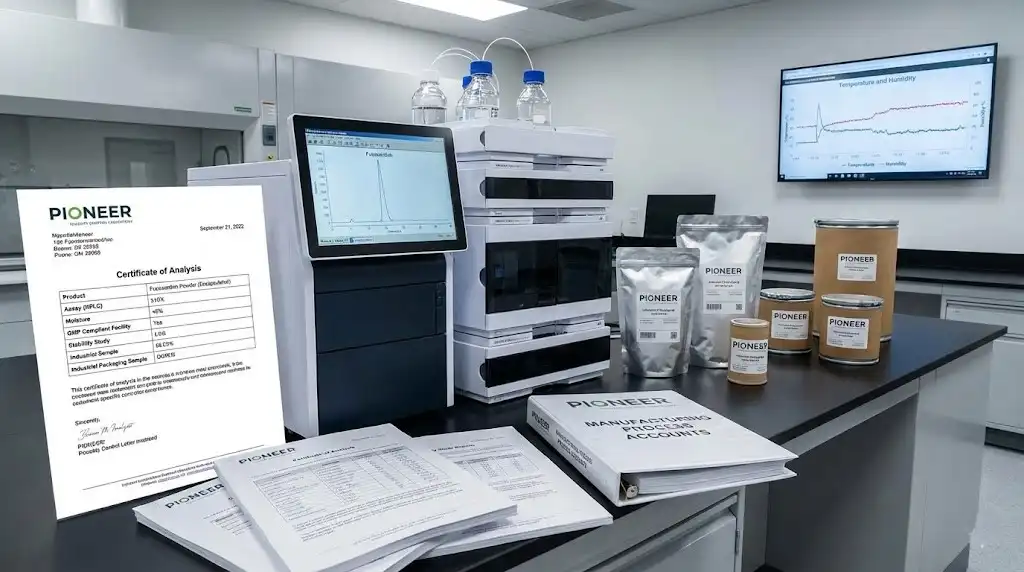
To successfully purchase fucoxanthin powder, you need to evaluate suppliers in a way that goes beyond just comparing prices. Quality paperwork, such as certificates of analysis, stability studies, and accounts of the manufacturing process, gives information about the quality of the product and the supplier's skills. Reliable providers keep clear quality systems with records of each batch and the steps used to make them.
To get a sense of how well a sample will work in the long term, its evaluation procedures should include controlled rapid stable testing. Small-scale formulation trials with representative samples let you check how well the new recipe works with current ingredient systems and industrial processes. These early tests keep recipe mistakes from being too expensive and make sure that product development goes well.
Supplier Evaluation Criteria
Inspections of manufacturing facilities are a great way to learn about a supplier's skills and quality processes. Facilities that are GMP-compliant show that they are dedicated to meeting the high quality standards needed for medicinal uses. Professional production operations with clean rooms, tested analytical methods, and thorough recording systems can consistently give high-quality goods.
Transparency in the supply chain is becoming more and more important for managing risks and following the rules. Suppliers should give full details about where the raw materials come from, how they are extracted, and how quality control is done. This openness makes it possible to properly evaluate the risks and backs up regulatory filings for pharmaceutical and nutritional uses.
Long-term supply deals with reliable providers for fucoxanthin extract protect investments in product development by making sure that quality and prices stay the same. These partnerships allow both parties to work together to create better formulas and handling methods that are good for everyone. Diversifying your suppliers is a good way to make sure you have enough supplies and meet the quality standards for important uses.
Quality Control Implementation
Key quality factors, such as potency, moisture content, and microbial quality, should be checked by incoming material testing procedures. Rapid testing methods using UV-Vis spectroscopy can confirm the potency right away, while full HPLC analysis proves the exact makeup and purity. These rules for testing keep problems with quality from getting into production systems.
When fucoxanthin is being stored or handled, the climate that affects its stability needs to be carefully considered. Temperature and humidity tracking devices in climate-controlled warehouses keep the quality of goods while they are stored for long periods of time. Using first-in, first-out methods to rotate goods properly makes sure that all shipments are as fresh as possible.
Formulation Case Studies and Practical Application Tips
Examples of real-life applications show how to successfully formulate fucoxanthin powder for a wide range of products. Leading companies that make nutraceuticals have come up with new ways to make capsules that contain fucoxanthin along with other ingredients that work well together, such as conjugated linoleic acid and medium-chain lipids, to improve absorption and biological activity.
Microencapsulated fucoxanthin powder is used in more advanced beverage formulas to make healthy drinks that last longer and taste good. For these uses, it's important to carefully adjust the pH and create the antioxidant system so that the materials don't break down during heat processing or long-term keeping. Formulations that work keep at least 80% of their power for the whole shelf life that was designed.
Successful Commercial Applications
The most common commercial use of fucoxanthin powder is in weight control products, which take advantage of its special ability to turn on uncoupling protein 1 in fat tissue. Fucoxanthin works best when combined with other ingredients that work together to support metabolic function and protect against breakdown. For regulatory approval, these goods need to be carefully clinically validated and have evidence of their safety.
Fucoxanthin's antioxidant and anti-inflammatory qualities are used in cosmetics to protect skin and slow down the aging process. Topical formulations need special transport methods that can get through the skin's defenses while keeping the ingredients stable. In clinical tests, liposome and nanoparticle delivery methods have shown to work better than others.
Functional food uses are hard to make because they need to be processed in a certain way and should last a long time. Products that work well use advanced packaging technologies that can handle high temperatures and still let bioactive chemicals out when the product is digested. For these products to work properly, they need to be tested for stability under real-life storage and use situations.
Innovation in Delivery Systems
By skipping the liver's processing, sublingual delivery methods make fucoxanthin powder more bioavailable. For these quick-dissolving mixtures to work, they need special ingredients that help the mixture dissolve quickly while keeping the active ingredient safe while it's stored. New advances in sublingual technology have shown that it absorbs substances better than traditional oral forms.
Targeted release systems with enteric coats keep fucoxanthin safe while it moves through the stomach and make sure it releases in the small intestine, where it is absorbed. Specialized coating materials and processing tools are needed for these advanced delivery systems, but they offer better absorption and lower dose needs.
Conclusion
To make fucoxanthin powder stable and successful in formulation, you need to fully understand the unique problems this valuable marine pigment causes. Protecting the environment by using the right excipients, modern encapsulation technologies, and controlled handling conditions makes it possible to create safe, bioavailable goods that can be used in a wide range of situations. Good buying habits that focus on the skills, paperwork, and long-term relationships of suppliers make sure that you can always get high-quality materials that meet strict recipe needs. Putting money into the right supplier ties and formulation development leads to better goods that are more competitive in the market and make customers happy.
FAQ
What are the optimal storage conditions for fucoxanthin powder?
Fucoxanthin powder needs to be kept in a cool, dry place that is less than 25°C and has a relative humidity of less than 5%. Photodegradation can't happen if the food is kept out of the light in amber containers or metal bags. Packaging that is sealed with nitrogen and has oxygen filters is the best way to keep things safe for a long time. Under the right conditions, they will stay effective for up to 24 months.
How can manufacturers verify fucoxanthin powder quality and purity?
HPLC analysis with diode array detection is the only way to positively identify and measure the amount of fucoxanthin present. With its characteristic absorption at 450 nm, UV-Vis spectroscopy is a quick way to check for strength. The quality profile is finished with tests for heavy metals, microbials, and moisture. Reliable providers include full certificates of analysis with every package.
What encapsulation methods work best for fucoxanthin powder stability?
Spray-drying with modified starch or maltodextrin is a great way to protect dry materials. Cyclodextrin inclusion complexes make it possible for products that dissolve in water to be more stable. Liposomal coating provides better solubility for high-end uses. The choice is based on the purpose and the need for steadiness.
Partner with Pioneer Biotech for Premium Fucoxanthin Powder Solutions
Pioneer Biotech is a reliable company that has been making fucoxanthin powder for more than ten years and has a lot of experience extracting and stabilizing marine carotenoids. Our modern factory in Hanzhong city uses cutting-edge supercritical CO2 extraction technology to make fucoxanthin powder that is safe for use in medicine and always works the same way. With ISO9001, HALAL, KOSHER, and FDA approvals, we make sure that our products meet world quality standards for use in cosmetics, drugs, and nutraceuticals.
Our expert team can help you with all aspects of formulation, such as stable tests, encapsulation suggestions, and making sure that the concentration is just right for your needs. Get in touch with our experts at sales@pioneerbiotech.com to talk about your project needs and ask for samples of our quality fucoxanthin powder. To help you reach your product development goals, we offer variable minimum order amounts, low bulk prices, and reliable shipping around the world.
References
Peng, J., Yuan, J.P., Wu, C.F., Wang, J.H. (2011). Fucoxanthin, a marine carotenoid present in brown seaweeds and diatoms: metabolism and bioactivities relevant to human health. Marine Drugs, 9(10), 1806-1828.
Miyashita, K., Nishikawa, S., Beppu, F., Tsukui, T., Abe, M., Hosokawa, M. (2011). The allenic carotenoid fucoxanthin, a novel marine nutraceutical from brown seaweeds. Journal of the Science of Food and Agriculture, 91(7), 1166-1174.
Sachindra, N.M., Sato, E., Maeda, H., Hosokawa, M., Niwano, Y., Kohno, M., Miyashita, K. (2007). Radical scavenging and singlet oxygen quenching activity of marine carotenoid fucoxanthin and its metabolites. Journal of Agricultural and Food Chemistry, 55(21), 8516-8522.
Xia, S., Wang, K., Wan, L., Li, A., Hu, Q., Zhang, C. (2013). Production, characterization, and antioxidant activity of fucoxanthin from the marine diatom Odontella aurita. Marine Drugs, 11(7), 2667-2681.
Hosokawa, M., Kudo, M., Maeda, H., Kohno, H., Tanaka, T., Miyashita, K. (2004). Fucoxanthin induces apoptosis and enhances the antiproliferative effect of the PPARγ ligand, troglitazone, on colon cancer cells. Biochimica et Biophysica Acta, 1675(1-3), 113-119.
Zhang, Y., Fang, H., Xie, Q., Sun, J., Liu, R., Hong, Z., Yi, R., Wu, H. (2014). Comparative evaluation of the radical-scavenging activities of fucoxanthin and its stereoisomers. Molecules, 19(2), 2100-2113.