
Turmeric oil, which captures the medicinal essence of the golden turmeric root in a powerful, adaptable form, is nature's concentrated remedy for inflammation. Strong substances like curcumin and volatile aromatic components found in this essential oil combine to fight inflammatory reactions all over the body. Turmeric oil is a gentle yet efficient method of managing inflammation, whether you're experiencing joint pain, skin irritation, or are looking for natural wellness support. In contrast to synthetic substitutes, this natural medicine supports your body's natural healing processes and offers several advantages.
Understanding the Science Behind Turmeric Oil's Anti-Inflammatory Properties
Turmeric extract's exceptional anti-inflammatory properties result from its distinct molecular makeup. The main bioactive ingredient, curcumin, makes up between 2 and 8% of the majority of turmeric formulations. This potent antioxidant functions by blocking inflammatory enzymes that are essential to the inflammatory cascade, such as lipoxygenase and cyclooxygenase-2 (COX-2).
Turmeric root essential oil also contains zingiberene, atlantone, and turmerone, among other volatile chemicals. Beyond what curcumin alone can accomplish, these ingredients improve the oil's medicinal qualities. Studies reveal that these substances cooperate to alter inflammatory pathways within cells.
These natural substances work in concert to produce a thorough anti-inflammatory response. This herbal medicine technique targets inflammation through several mechanisms at once, in contrast to single-molecule medications. More balanced and long-lasting relief is frequently the outcome of this multi-target treatment.
According to scientific research, taking natural supplements containing turmeric on a regular basis can dramatically lower blood test results for inflammatory indicators. For those looking for pain relief and an enhanced quality of life, these quantifiable improvements result in tangible advantages.
Traditional Uses and Modern Applications of Turmeric Oil
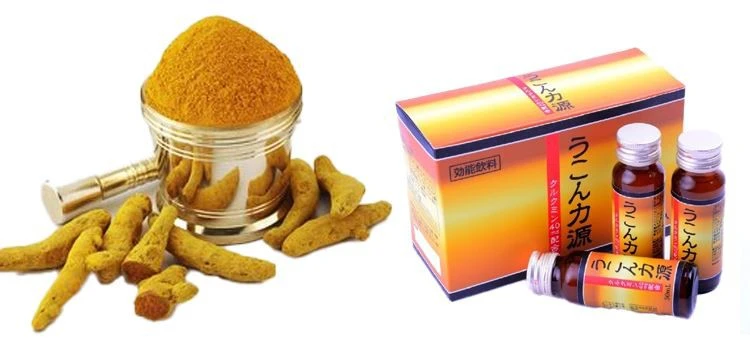
Turmeric's therapeutic properties were acknowledged by ancient Ayurvedic practitioners thousands of years ago. Throughout Asia, traditional medical systems have used this natural therapy, including curcumin extract powder, to treat a range of illnesses, from skin concerns to stomach issues. Many of these old applications are now validated by modern science.
For the purpose of reducing stress and promoting emotional equilibrium, modern aromatherapy techniques use turmeric oil. Through inhalation, the earthy, warm scent reduces inflammation and encourages relaxation. The physical and mental facets of wellness are both addressed by this dual-action strategy.
Turmeric extract is being used more often in skin care products because of its antibacterial and antifungal qualities. Because of these qualities, it's especially useful for treating inflammatory skin diseases like eczema and acne. Regular usage of the oil without severe adverse effects is made possible by its benign nature.
Turmeric oil is frequently used in the rehabilitation processes of athletes and fitness enthusiasts. After strenuous exercise, the natural vitamin promotes muscle recovery and joint health. This use demonstrates how adaptable the oil is for promoting active lifestyles.
How to Choose High-Quality Turmeric Oil for Maximum Benefits?
In the current market, turmeric oil products differ greatly in terms of quality criteria. Selecting pure, effective items is made easier when you are aware of the important quality markers. Reliable findings and consistent potency are offered by standardized extracts.
The turmeric root was cultivated without the use of artificial fertilizers or pesticides, as indicated by its organic certification. For products meant for internal use or topical use, this accreditation becomes especially crucial. The natural purity of the oil is maintained by clean cultivation methods.
Documentation from third-party testing proves the absence of impurities and verifies purity standards. Certificates of analysis demonstrating curcumin content, heavy metal levels, and microbiological safety are provided by reputable suppliers of turmeric extract powder. These records show a dedication to quality control.
The quality of the finished product is greatly impacted by extraction techniques. Heat-sensitive chemicals are better preserved by CO2 extraction and steam distillation than by chemical solvent techniques. Although cold-pressed oils may have shorter shelf life, they retain more volatile components.
Dark glass containers that prevent light deterioration are one aspect of packaging to take into account. Over time, the oil's medicinal qualities are preserved with careful storage. Product integrity is maintained during storage and transportation in temperature-controlled environments.
Safe Usage Guidelines and Dosage Recommendations
Turmeric oil can be applied topically without risk if it is diluted correctly. The majority of practitioners advise using carrier oils, such as coconut or jojoba oil, to dilute concentrated essential oils. For the majority of applications, a typical dilution ratio falls between 1 and 3%.
Finding possible sensitivities is aided by patch testing prior to broad usage. Put a tiny bit of diluted oil on the inner forearm and keep an eye on it for a full day. If there is any redness, itching, or irritation, more dilution or stopping is required.
Certain food-grade formulations intended for oral use are necessary for internal ingestion. To improve absorption, a lot of turmeric supplements mix the extract with black pepper. When compared to turmeric alone, this combination greatly increases bioavailability.
Individual tolerance and the intended use determine the appropriate dosage. Your body can eventually adjust if you start with modest quantities. Safe integration with current medications or medical conditions is ensured by consulting healthcare professionals.
Women who are nursing or pregnant should use intense turmeric products with extra caution. While therapeutic quantities may need medical supervision, culinary levels are usually safe. Adequate consumption amounts depend on personal health conditions.
Practical Application Methods for Different Health Goals
Localized pain and inflammation can be directly relieved by topical treatments. Stiff joints and aching muscles can be relieved with a light massage with diluted turmeric oil. Increased circulation to the treated area is indicated by the feeling of warmth.
Diffusion from aromatherapy spreads anti-inflammatory substances into interior spaces. This technique calms the environment while improving respiratory health. During difficult seasons, regular diffusion may help the immune system operate.
Adding a bath creates soothing experiences that benefit the entire body. A few drops added to warm bathwater facilitates deep skin contact and encourages relaxation. This application technique works well for people who have generalized discomfort or tension from stress and may be combined with organic curcumin extract powder.
Encapsulated vitamins eaten with meals are frequently used in digestive health applications. This method promotes gut health and could aid in the treatment of inflammatory digestive disorders. Eating at the right time improves absorption and lessens the possibility of stomach upset.
Due to its anti-aging and clarifying qualities, turmeric oil can be added to skincare routines. Small amounts can be added to current serums or moisturizers to give mild daily care. Over time, regular application may enhance the texture and tone of the skin.
Combining Turmeric Oil with Other Natural Anti-Inflammatory Agents
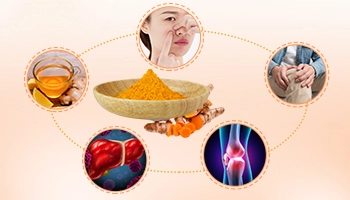
The total efficacy of natural anti-inflammatory therapies is increased by synergistic combinations. Due to their similar medicinal mechanisms, ginger essential oil and turmeric go especially well together. When combined, these oils provide more thorough inflammatory control.
The anti-inflammatory properties of turmeric are enhanced by omega-3 fatty acids from flax seed or fish oil. This combination uses many biological processes to address inflammation. This combination is suggested by several professionals to support joint health.
In addition to curcumin, green tea extracts offer added antioxidant assistance. Green tea's polyphenols strengthen its anti-inflammatory properties overall. This combination provides defense against cellular damage and oxidative stress.
Unlike turmeric, boswellia extract, which comes from frankincense, targets distinct inflammatory enzymes. The anti-inflammatory effects of combining these natural therapies are more extensive. Those looking for all-encompassing natural pain alleviation will find this method appealing.
Conclusion
For a variety of uses and sectors, turmeric oil provides a natural, scientifically supported method of managing inflammation. From the knowledge of ancient medicine to contemporary therapeutic uses, this adaptable extract keeps showing incredible healing potential. Making educated selections about adding turmeric oil to wellness and health regimens requires knowledge of quality standards, appropriate usage techniques, and synergistic combinations. Turmeric oil is a staple of natural anti-inflammatory therapy, offering mild yet potent support for a range of health objectives while maintaining an outstanding safety profile as research continues to uncover new advantages.
Partner with Pioneer Biotech for Premium Turmeric Oil Solutions
Reputable suppliers of turmeric oil are aware of how crucial consistent quality and scientific validation are. Pioneer Biotech produces outstanding plant extracts by fusing cutting-edge extraction technologies with more than ten years of experience. Our Hanzhong City facility sources excellent turmeric root materials by taking use of the region's perfect growing circumstances.
The strict specifications of the pharmaceutical, nutraceutical, and cosmetic industries are satisfied by our standardized turmeric extracts. The FDA, HALAL, KOSHER, and ISO9001 certifications show how dedicated we are to quality. Your formulas will produce predictable results if there is batch-to-batch consistency.
Our technical staff offers complete support throughout your product development process, whether you're creating functional beverages, therapeutic skin care products, or anti-inflammatory pills. We provide individualized concentrations and adjustable minimum purchase quantities to satisfy your unique needs.
As a reputable producer of turmeric oil, we offer comprehensive documentation packages that include stability data, certificates of analysis, and regulatory support papers. To guarantee that every shipment satisfies your requirements, our quality assurance team does thorough testing.
Are you prepared to investigate high-quality turmeric oil options for your next product line? Get in touch with our knowledgeable staff right now to go over your unique needs and find out how our premium extracts can improve your formulations. To begin your collaboration with a top expert in botanical extracts, get in touch with us at sales@pioneerbiotech.com.
References
Aggarwal, B.B., Sundaram, C., Malani, N., & Ichikawa, H. (2007). Curcumin: the Indian solid gold. Advances in Experimental Medicine and Biology, 595, 1-75.
Hewlings, S.J., & Kalman, D.S. (2017). Curcumin: A Review of Its Effects on Human Health. Foods, 6(10), 92-105.
Prasad, S., Tyagi, A.K., & Aggarwal, B.B. (2014). Recent developments in delivery, bioavailability, absorption and metabolism of curcumin: the golden pigment from golden spice. Cancer Research and Treatment, 46(1), 2-18.
Singh, G., Kapoor, I.P.S., Singh, P., de Heluani, C.S., de Lampasona, M.P., & Catalan, C.A.N. (2010). Chemistry, antioxidant and antimicrobial investigations on essential oil and oleoresins of Zingiber officinale. Food and Chemical Toxicology, 48(12), 3295-3302.
Chainani-Wu, N. (2003). Safety and anti-inflammatory activity of curcumin: a component of tumeric (Curcuma longa). Journal of Alternative and Complementary Medicine, 9(1), 161-168.
Menon, V.P., & Sudheer, A.R. (2007). Antioxidant and anti-inflammatory properties of curcumin. Advances in Experimental Medicine and Biology, 595, 105-125.